- by sam llyod
- December 12, 2025
Breakthrough Medical Innovations That Are Changing Lives in 2025
- by jane austin,
- January 7, 2025
- Reading Time: 4-5 mins

Medical science is advancing at an unprecedented pace, transforming healthcare and improving the quality of life around the globe. From cutting-edge therapies to revolutionary devices, 2025 is shaping up to be a landmark year for healthcare innovation. Here are some breakthrough medical advancements that are making a real difference.
“The pace of medical innovation today is astounding—technologies like gene editing, AI diagnostics, and personalized medicine are turning once impossible treatments into everyday reality.” — Dr. Eric Topol, Cardiologist and Digital Medicine Researcher
1. mRNA Vaccines Beyond COVID-19
The success of mRNA technology for COVID-19 vaccines has opened doors for vaccines targeting other diseases, including influenza, Zika, and even certain types of cancer. According to Nature Medicine, ongoing trials show promising results, offering hope for more effective and faster vaccine development.
2. Gene Editing with CRISPR
CRISPR-Cas9 technology allows scientists to precisely edit genes, potentially curing inherited diseases like sickle cell anemia and certain forms of blindness. In 2025, clinical trials are expanding, showing that gene editing could become a mainstream therapeutic option in the near future.
3. AI-Powered Diagnostics
Artificial intelligence is revolutionizing diagnostics. Algorithms can now analyze imaging scans, lab results, and genetic data faster and more accurately than ever. A study in The Lancet Digital Health found that AI-assisted radiology can detect early-stage cancers with accuracy rates comparable to experienced radiologists.
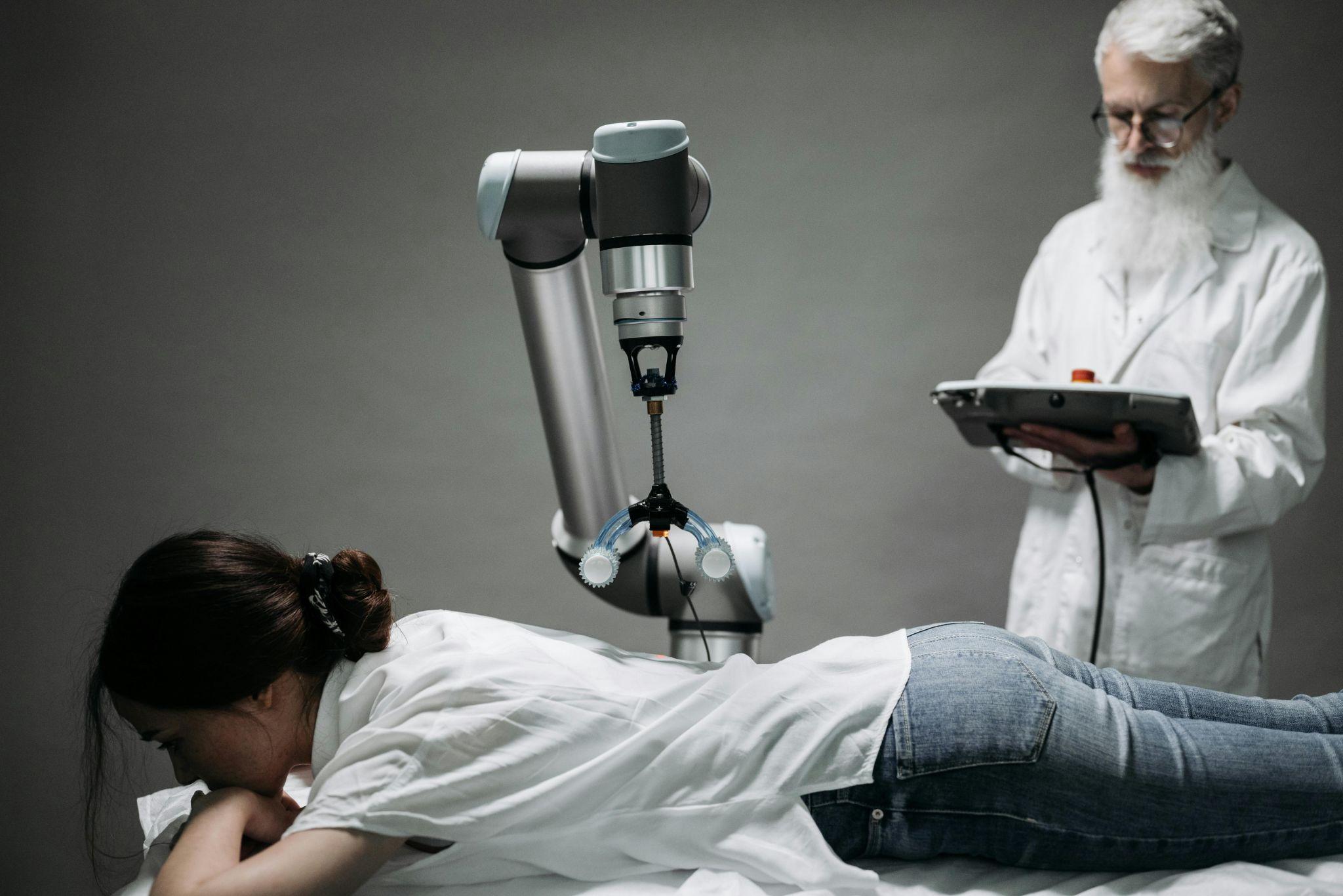
4. Wearable Health Monitors
From smartwatches to biosensors, wearable devices now track heart rate, blood oxygen levels, sleep patterns, and even blood glucose. According to Statista, the wearable healthcare market is expected to exceed $80 billion by 2025, empowering patients to take control of their health daily.
5. Regenerative Medicine and Stem Cells
Stem cell therapies are now being used to treat conditions previously thought incurable, such as spinal cord injuries and degenerative diseases. Breakthroughs in regenerative medicine offer the potential to repair damaged tissues and restore function, transforming patient outcomes.
6. Telemedicine and Remote Care
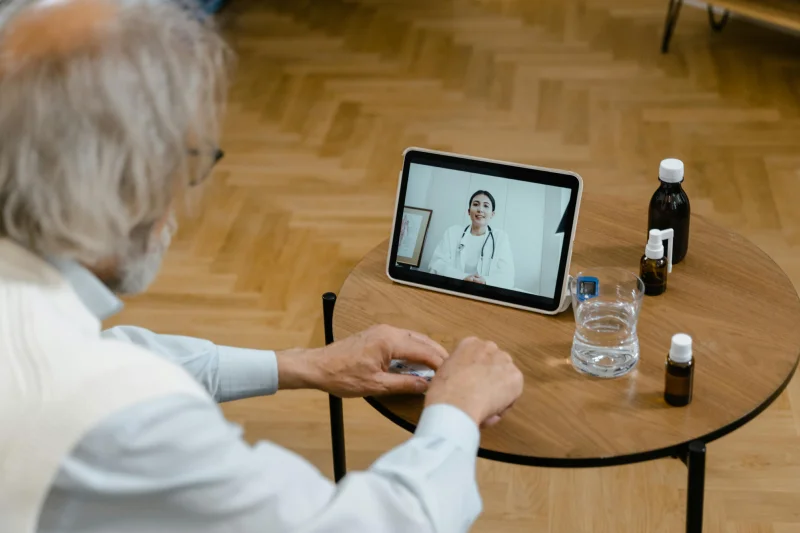
Telehealth continues to expand access to care, especially in rural areas. According to the American Medical Association, telemedicine usage remains significantly higher than pre-pandemic levels, enabling patients to consult specialists and manage chronic conditions from home.
7. Personalized Medicine
Advances in genomics allow treatments to be tailored to an individual’s genetic makeup. Personalized medicine improves drug efficacy and reduces side effects, making treatments safer and more effective for patients with conditions like cancer, diabetes, and heart disease.

2025 is proving to be a transformative year in medicine, with innovations that not only save lives but also improve the quality of life. From gene editing to AI diagnostics, these breakthroughs highlight how science and technology are converging to create a healthier future. Staying informed about these advancements helps patients and healthcare providers make better decisions and embrace the potential of next-generation medicine.
Key Takeaways
- ■mRNA technology expands — Beyond COVID-19, mRNA vaccines now target influenza, Zika, and certain cancers
- ■CRISPR gene editing advances — Clinical trials show potential to cure inherited diseases like sickle cell anemia
- ■AI diagnostics improve accuracy — AI-assisted radiology detects early-stage cancers with accuracy matching experienced radiologists
- ■Personalized medicine grows — Genomic advances allow treatments tailored to individual genetic makeup
related articles

- by dylan young
- December 9, 2025
Mindful Movement: Integrating Gentle Fitness Into Your Everyday Life

- by andrew jackson
- December 7, 2025
Smart Sleep: Latest Gadgets and Techniques for Better Rest in 2025

- by aron fernandes
- January 27, 2025
The Science Behind Habit Stacking: How to Build a Lasting Healthy Routine

- by joe moore
- January 26, 2025