- by brennan-montgomery
- December 23, 2025
Advanced Car Security Systems: Protecting Your Vehicle in 2025
- by elliot-windham,
- December 23, 2025
- Reading Time: 5-6 mins
As vehicles become more technologically advanced, so do the methods used by thieves and hackers. Protecting your car today requires more than just a steering wheel lock or basic alarm. Modern car security systems in 2025 combine traditional anti-theft measures with cutting-edge technologies, ensuring your vehicle stays safe whether it’s parked at home, in a garage, or on the street.
“Safety doesn’t happen by accident.” — Jerry Smith
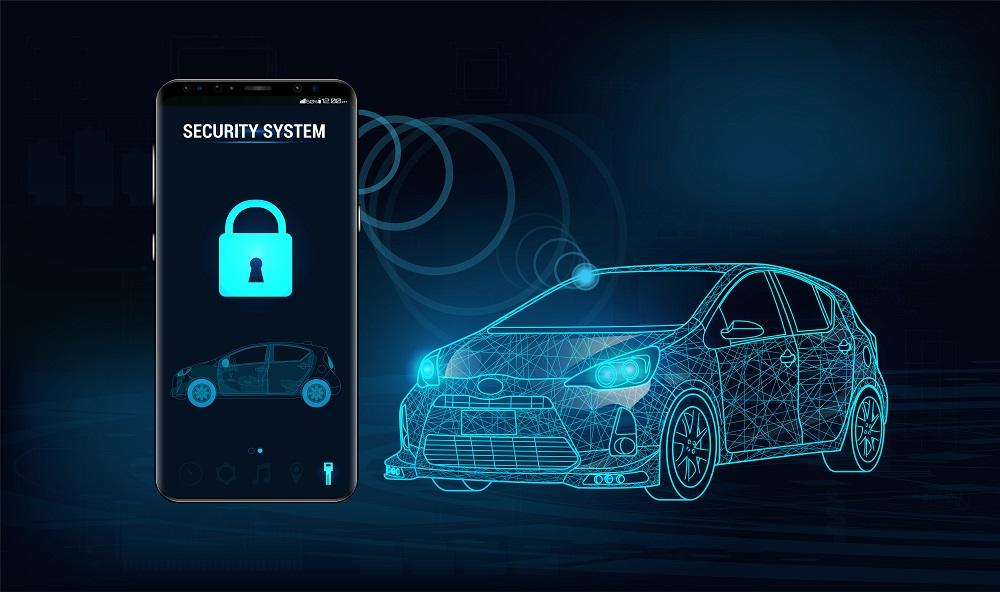
One of the most common advancements is GPS tracking and telematics. These systems allow vehicle owners to monitor their car in real time using a smartphone app. In case of theft, the location of the car can be tracked instantly, improving the chances of recovery. Some systems also provide geofencing, alerting owners if the car leaves a predefined area.
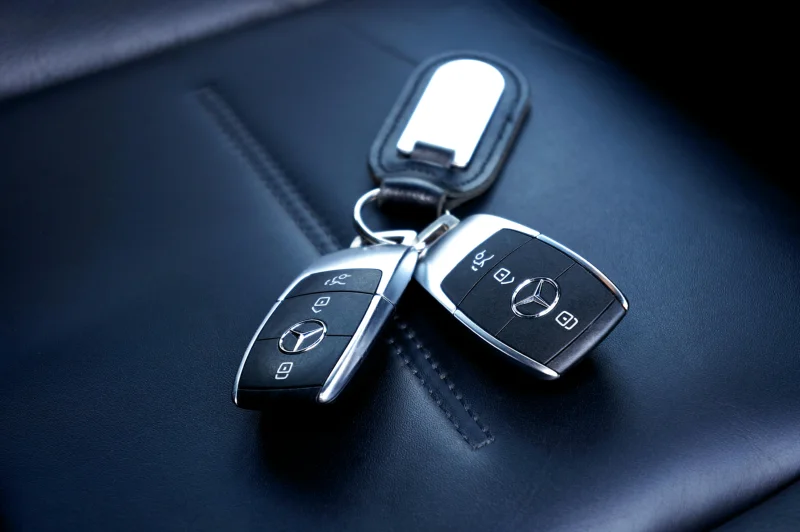
Keyless entry systems with encrypted signals have also evolved significantly. Unlike older key fobs that could be intercepted or cloned, modern systems use rolling codes and multi-layered encryption to prevent unauthorized access. This ensures that even technologically savvy thieves cannot easily bypass your car’s locks.
Another trend in 2025 is biometric authentication. Some vehicles now integrate fingerprint scanners, facial recognition, or even voice authentication for unlocking and starting the car. These technologies provide an additional layer of security, making it nearly impossible for unauthorized individuals to access or operate the vehicle.
Advanced alarms and immobilizers continue to be crucial. Motion-sensitive alarms, tilt sensors, and proximity detection trigger alerts if someone tampers with your car. Electronic immobilizers prevent the engine from starting without the proper key or authentication method, adding an extra safeguard against theft.
shutterstock
Cybersecurity has also become a priority. Modern vehicles often rely on complex software for navigation, entertainment, and driving assistance. As a result, car cybersecurity systems are emerging to protect against hacking attempts. Firewalls, encrypted communication channels, and regular software updates help prevent unauthorized access to vehicle controls, data, and personal information.
For everyday protection, simple practices complement advanced technology. Parking in well-lit areas, locking doors even when parked at home, and keeping valuables out of sight reduce the risk of opportunistic theft. Combining these habits with sophisticated security systems maximizes your vehicle’s safety.
In addition, many insurance companies now offer discounts for vehicles equipped with advanced security features. Investing in modern car security not only provides peace of mind but can also lead to long-term cost savings.
By embracing these next-generation security solutions, car owners in 2025 can enjoy confidence that their vehicle is well-protected from both physical and digital threats. Staying informed about the latest technologies and integrating them with practical safety habits ensures a comprehensive approach to vehicle security.
The evolution of car security is a reminder that technology, when used wisely, empowers drivers to protect their vehicles, safeguard personal belongings, and drive with confidence. In a world of increasingly sophisticated threats, staying ahead with advanced security systems is not just a choice — it’s a necessity.
Key Takeaways
- ■Smart alarm systems provide real-time alerts through mobile apps.
- ■GPS tracking enables quick vehicle recovery in case of theft.
- ■Biometric security (fingerprint or facial recognition) prevents unauthorized access.
- ■Immobilizers stop the engine from starting without proper authentication.
- ■Dashcams with motion detection act as both deterrents and evidence collectors.
related articles


- by declan fairchild
- December 22, 2025
Step-by-Step Guide to Preparing Your Car for a Long Road Trip
- by nathan reed
- December 19, 2025
What Your Dashboard Warning Lights Really Mean: A Driver’s Guide

- by sebastian rowe
- December 18, 2025
Essential Car Maintenance Tips to Extend Vehicle Life
- by emma caldwell
- December 15, 2025