- by sam llyod
- December 12, 2025
Fitness Through the Decades: Tailoring Your Routine for Every Age
- by mira collins,
- January 1, 2025
- Reading Time: 4-5 mins
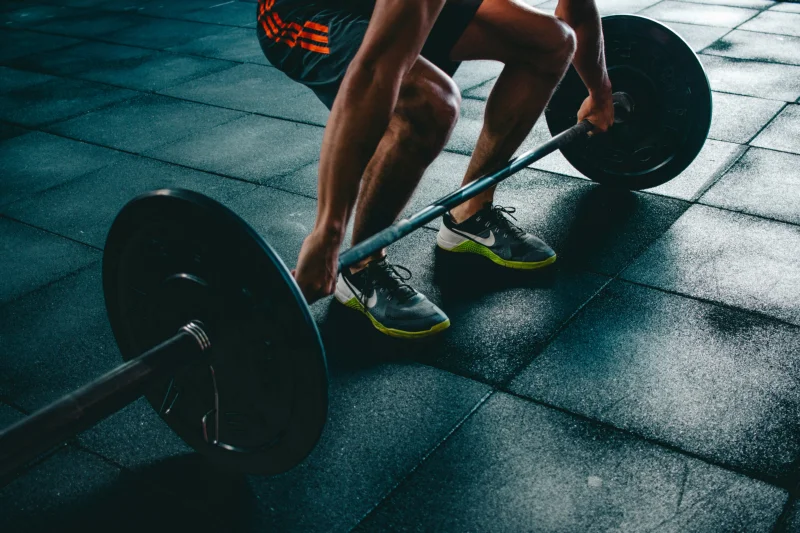
Maintaining a regular fitness routine is one of the most effective ways to support long-term health. According to the World Health Organisation, adults should engage in at least 150 minutes of moderate-intensity aerobic activity per week. However, the type and focus of exercise can vary depending on age, lifestyle, and fitness goals. Here’s a practical guide for fitness routines at different life stages.
“Exercise is truly the closest thing we have to a magic pill for longevity. The right movement at every stage of life keeps your muscles strong, your heart young, and your mind sharp.” — Dr. Kenneth Cooper, Preventive Medicine Physician and Founder of the Cooper Aerobics Center
In Your 20s: Build Strength and Endurance
Your 20s are the perfect time to focus on building a strong foundation. Incorporate strength training 2–3 times a week to develop muscle mass and support bone density. Combine this with cardio exercises like running, cycling, or swimming to improve cardiovascular health. Flexibility exercises, such as yoga or dynamic stretching, can also reduce the risk of injuries.

In Your 30s: Focus on Balance and Core Stability
As metabolism begins to slow slightly, balancing strength training with functional exercises becomes essential. Core-strengthening workouts, like planks and Pilates, support posture and prevent back pain. High-intensity interval training (HIIT) sessions 1–2 times per week can boost endurance while saving time.
In Your 40s: Prioritize Joint Health and Mobility
By your 40s, joints may become more sensitive to high-impact activities. Low-impact exercises like swimming, cycling, or elliptical training reduce stress on knees and hips. Incorporate mobility drills and stretching to maintain flexibility. Strength training should continue, focusing on moderate weights and controlled movements to prevent any injury.

In Your 50s: Balance, Strength, and Bone Health
Bone density naturally decreases with age, increasing the risk of osteoporosis. Weight-bearing exercises, such as walking, light weightlifting, and resistance band workouts, are crucial. Balance exercises like, tai chi or single-leg stands can help prevent falls. Cardio should remain regular but at a moderate pace to protect joints.
In Your 60s and Beyond: Stay Active and Independent
Staying active is one of the best investments you can make in your long-term health, but what "active" looks like can (and should!) evolve as you move through life. The fitness routine that served you well in your 20s might not be the most beneficial or safest in your 50s or 60s. The good news is that every age brings new opportunities to connect with your body and discover enjoyable ways to stay strong, flexible, and energized.

Tips for Every Age Group
- Listen to your body: Rest when needed and avoid overtraining.
- Consistency beats intensity: Regular moderate exercise is more beneficial than sporadic high-intensity sessions.
- Combine cardio, strength, and flexibility: A balanced approach ensures comprehensive health benefits.
- Hydrate and fuel properly: Proper nutrition and hydration are essential to support workouts.
Key Takeaways
- ■20s: Build foundation — Focus on strength training 2-3x weekly and cardio to develop muscle and bone density
- ■40s: Prioritize joint health — Switch to low-impact exercises and add mobility drills to protect joints
- ■50s+: Focus on balance and bones — Weight-bearing exercises and balance training prevent osteoporosis and falls
- ■Every age: Consistency beats intensity — Combine cardio, strength, and flexibility for comprehensive health
related articles


- by dylan young
- December 9, 2025
Mindful Movement: Integrating Gentle Fitness Into Your Everyday Life

- by andrew jackson
- December 7, 2025
Smart Sleep: Latest Gadgets and Techniques for Better Rest in 2025

- by aron fernandes
- January 27, 2025
The Science Behind Habit Stacking: How to Build a Lasting Healthy Routine

- by joe moore
- January 26, 2025