- by sam llyod
- December 12, 2025
From Farm to Flavor: The Top 5 Food Trends in 2025 You Need to Try
- by maeve harding,
- January 17, 2025
- Reading Time: 4-5 mins
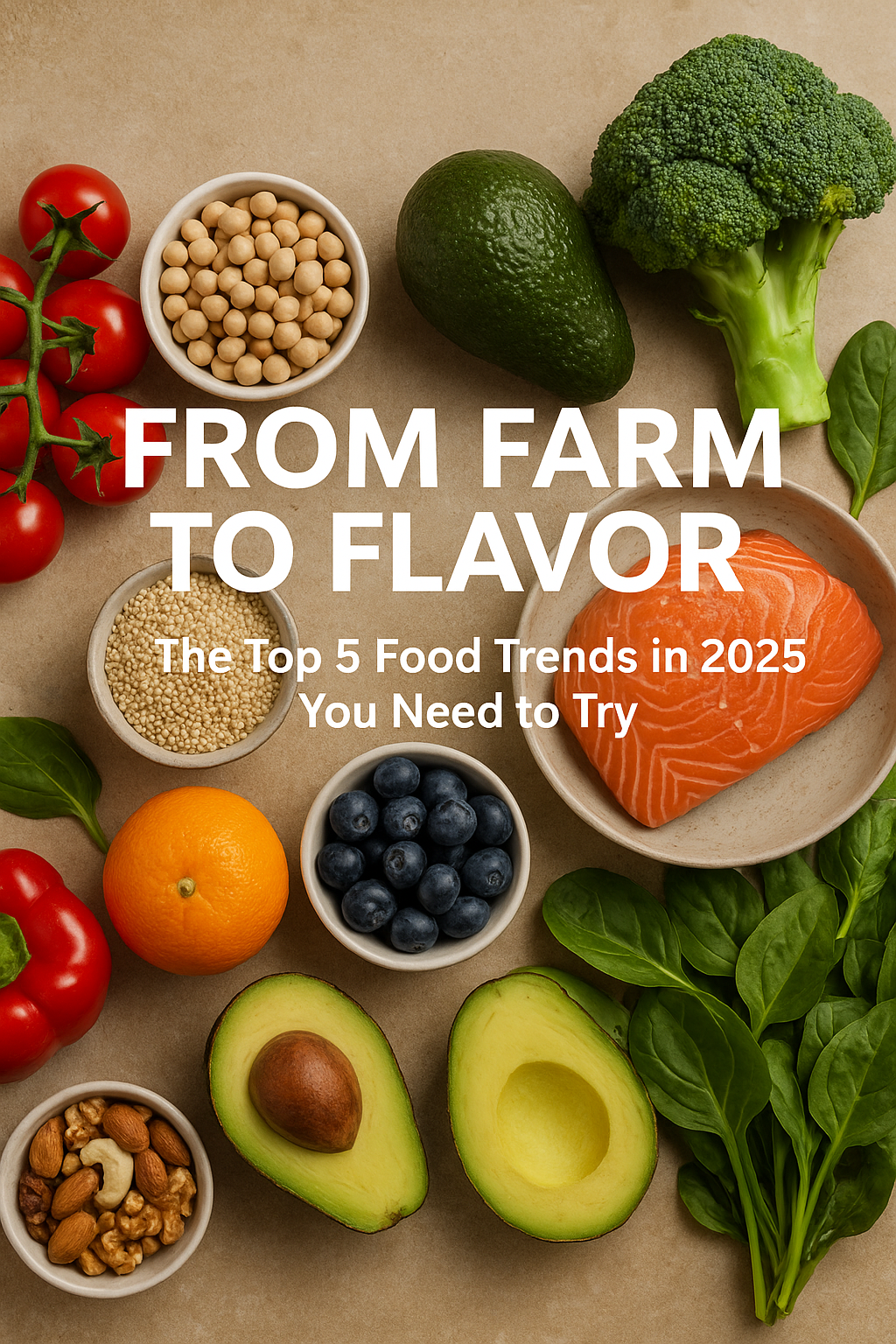
Are you still eating plain yogurt and last year's sourdough? Time to upgrade your pantry, my friend!
Every year, the food world spins faster, driven by chefs, TikTok, and a growing consciousness about what we put into our bodies and onto our planet. 2025 isn't just about trying something new; it's about eating smarter and bolder.
Based on what's bubbling up from high-end restaurants, grocery store aisles, and viral challenges, here are the top five food trends that are defining this year. Trust me, you’ll want a seat at this table.
1. The Rise of "Swicy" Flavor Profiles
Forget sweet or savory—2025 is all about the "swicy" combination. This isn’t just a dash of chili powder; it’s a deliberate fusion of intense sweetness with complex heat.
What it looks like: Hot honey, a trend that’s been building for years, is finally everywhere—from topping artisan pizzas to drizzled over ice cream. We're seeing more chili crisps showing up in unexpected places like cookies, and fruit-based sauces (like mango or guava) spiked with fiery peppers like the Calabrian chile. This trend delivers a one-two punch that makes your taste buds pay attention and highlights a growing consumer desire for deep, nuanced flavor over simple sugar.
2. Hyper-Focus on Southeast Asian Cuisine
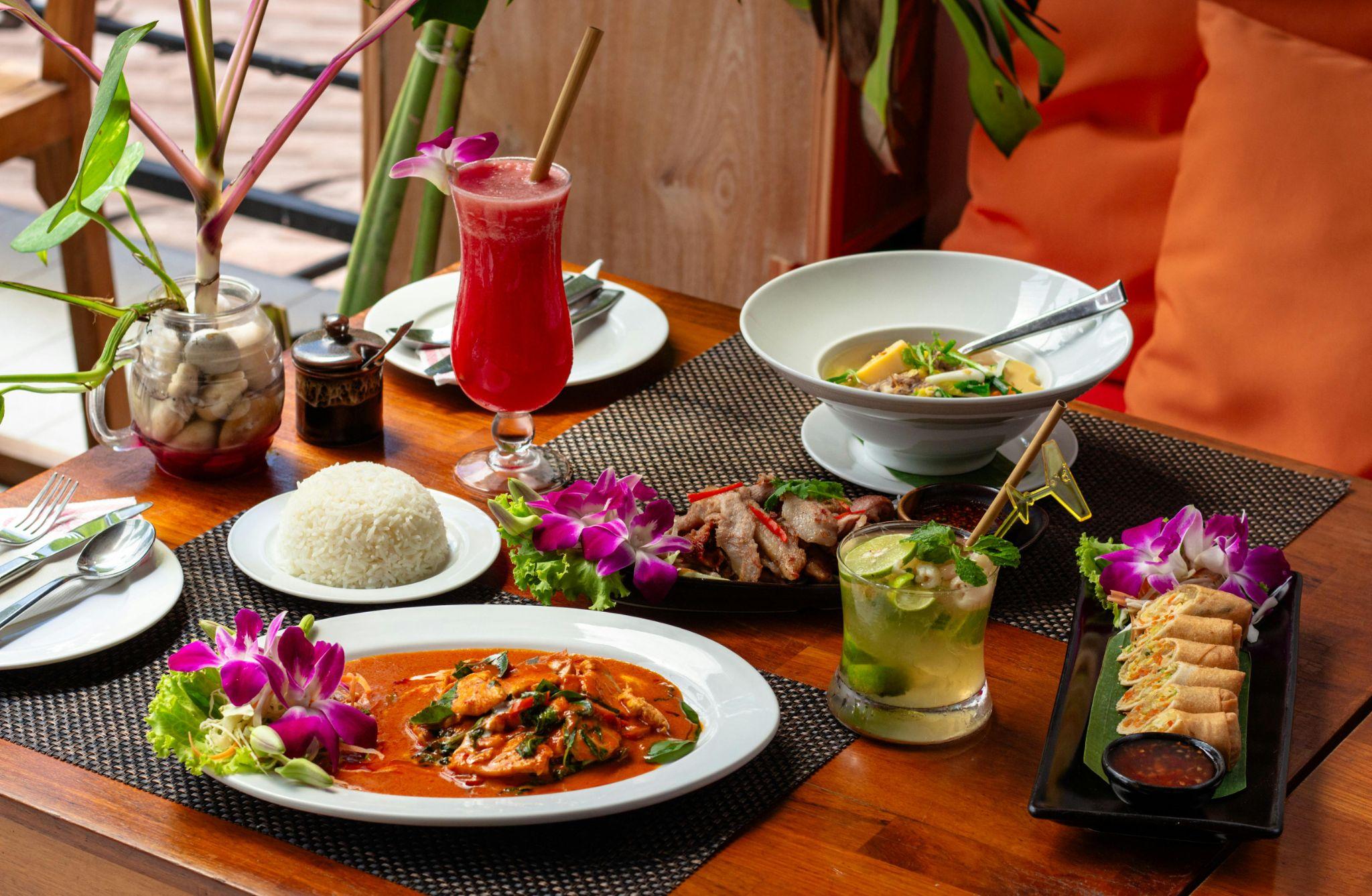
While Chinese and Thai food have long been staples, the spotlight is shifting to the intricate, often fermented, and incredibly fresh flavors of Southeast Asia, particularly Korean, Vietnamese, and Filipino cuisine.
What it looks like: People are moving beyond pho and pad thai to explore the complex umami of Korean kimchi jjigae (stew), the incredible variety of Filipino street foods like lumpia (spring rolls) and savory tocino pork, and the sweet-and-sour depth of regional Vietnamese dishes. This movement is driven by immigration and a public appetite for authentic flavors that offer both comfort and excitement. Plus, with their frequent use of fresh herbs and vegetables, these cuisines naturally align with the next big trend…
3. Functional Foods Go Mainstream
We’re past "superfoods"—now we want functional foods: ingredients that provide a benefit beyond basic nutrition. It's the philosophy that food is medicine, packaged for the modern kitchen.
What it looks like: Expect to see ingredients like adaptogens (such as ashwagandha and lion's mane mushroom) in everything from coffee blends to savory snacks. The biggest focus, however, is on gut health. Fermented foods like kimchi, sauerkraut, and kombucha are more popular than ever, and new products are actively being marketed with prebiotic fibers and probiotics to support the microbiome. If a snack doesn't make you feel good and do good, it's out.
4. Regenerative Agriculture on the Label
The conversation around food sustainability is getting serious. It’s no longer enough to be "organic." Consumers are looking for foods sourced through regenerative agriculture. This farming method focuses on improving soil health, increasing biodiversity, and sequestering carbon.
What it looks like: Look for labels that mention soil health, cover crops, or are Regenerative Organic Certified. This goes beyond produce; companies are proudly sourcing meat and grains from farms committed to these practices. Products like perennial grain pasta (made with a grain called Kernza) and certain brands of bone broth or jerky are leading the charge, emphasizing that a healthy planet is the foundation of a healthy diet.

5. The Smart Evolution of Plant-Based Eating
The plant-based movement isn't dead, but it is maturing. Consumers are stepping away from highly processed meat mimics and are embracing whole, fresh ingredients that simply taste good on their own.
What it looks like: It's less about the perfect veggie burger and more about making vegetables the star. Dishes centered on hearty, umami-rich ingredients like roasted mushrooms, lentils, and jackfruit are taking the place of fake chicken. This is also leading to a rise in hyper-local sourcing, where restaurants and home cooks prioritize ingredients grown nearby, often resulting in simple, stunningly fresh, and inherently plant-forward meals.
So, are you ready to get "swicy" with your functional foods? 2025 is shaping up to be a delicious and highly intentional year in the kitchen!
—-----------
You want budget-friendly meals, but you don't want to choke down sad, bland food. Totally understandable. The secret to cutting your grocery bill without sacrificing flavor isn't about becoming a master chef; it’s about becoming a master planner and strategist. Think of your kitchen like a smart financial portfolio: minimize high-cost assets (like premium cuts of meat and convenience foods) and maximize high-yield staples (like beans and grains).
Here’s your no-nonsense guide to planning budget-friendly, flavor-packed meals.
Key Takeaways
- ■Try "swicy" flavors — hot honey, chili crisps, and fruit-based sauces with heat are trending
- ■Explore Southeast Asian cuisine — Korean, Vietnamese, and Filipino dishes offer authentic, complex flavors
- ■Embrace functional foods — adaptogens, fermented foods, and gut-health products are going mainstream
related articles


- by dylan young
- December 9, 2025
Mindful Movement: Integrating Gentle Fitness Into Your Everyday Life

- by andrew jackson
- December 7, 2025
Smart Sleep: Latest Gadgets and Techniques for Better Rest in 2025

- by aron fernandes
- January 27, 2025
The Science Behind Habit Stacking: How to Build a Lasting Healthy Routine

- by joe moore
- January 26, 2025