- by sam llyod
- December 12, 2025
Personalized Nutrition: How DNA and Gut Health Tests Are Revolutionizing Meal Plans
- by wendy cooper,
- January 23, 2025
- Reading Time: 4-5 mins

Nutrition has never been one-size-fits-all. Advances in DNA testing and microbiome analysis are reshaping the way we understand food, metabolism, and individual health needs. Personalised nutrition offers a roadmap for optimizing diet according to genetic predispositions, gut bacteria composition, and metabolic responses.
The idea that “one diet fits all” is rapidly fading. In its place, personalized nutrition is emerging as one of the most promising advancements in modern wellness — offering food recommendations based not on trends, but on biology. Combining DNA testing and gut health analysis, this approach brings unprecedented precision to meal planning, enabling people to eat in alignment with their genetic blueprint and microbiome composition.
Why Generic Diets Often Fail
Traditional diet models assume uniform responses to food. Yet anyone who has tried the same diet as a friend and seen entirely different results knows this isn’t true. Science confirms that metabolism, enzyme efficiency, hormone regulation, and nutrient absorption vary dramatically between individuals. This explains why two people eating identical meals might experience very different outcomes in energy levels, digestion, or weight management.
The DNA Advantage: Nutrition Tailored to Your Genes
Genetic testing adds a new layer of insight into nutritional decision-making. These tests analyze markers linked to metabolism, food sensitivities, vitamin utilization, and even eating behaviors. For example, variations in certain genes may indicate how efficiently a person processes carbohydrates or whether they are predisposed to lactose intolerance.
With this information, nutrition experts can craft meal plans designed to work with — not against — a person’s innate biology. Instead of guessing whether a high-protein, low-carb, or Mediterranean-style diet is best, DNA-guided plans use evidence to support long-term results.
Gut Health: The Invisible Driver of Well-Being
Equally important is the role of the gut microbiome — the trillions of bacteria residing in the digestive tract. These microorganisms influence digestion, immunity, mood regulation, inflammation, and nutrient extraction. Gut health testing examines which bacterial strains are thriving, which are missing, and how this balance affects overall wellness.

People struggling with bloating, fatigue, skin conditions, or weight fluctuations often discover that their gut imbalance is a key culprit. By analyzing microbiome patterns, nutrition plans can target deficits, fostering diversity and restoring digestive harmony through tailored prebiotics, probiotics, and food choices.
Where DNA Meets Microbiome Insights
The true power of personalized nutrition lies in merging genetic data with gut health insights. Someone whose genes indicate low omega-3 absorption may require higher levels from foods, while a microbiome test may reveal poor fiber tolerance. Together, these findings guide specific food pairings, nutrient ratios, and lifestyle adjustments that produce measurable impact.
This multi-layered approach is transforming how nutritionists and healthcare practitioners personalize diet recommendations — shifting the focus from blanket rules to biologically accurate guidance.
Technology Is Making It Accessible
Once seen as futuristic, personalized nutrition testing has entered mainstream wellness. Home-based DNA kits and microbiome sampling make it easy to obtain biological data, and digital platforms interpret results into actionable meal plans. Many services now provide app-based tracking, adaptive recommendations, and ongoing re-testing to adjust diets as bodies evolve.
What This Means for Everyday Eating
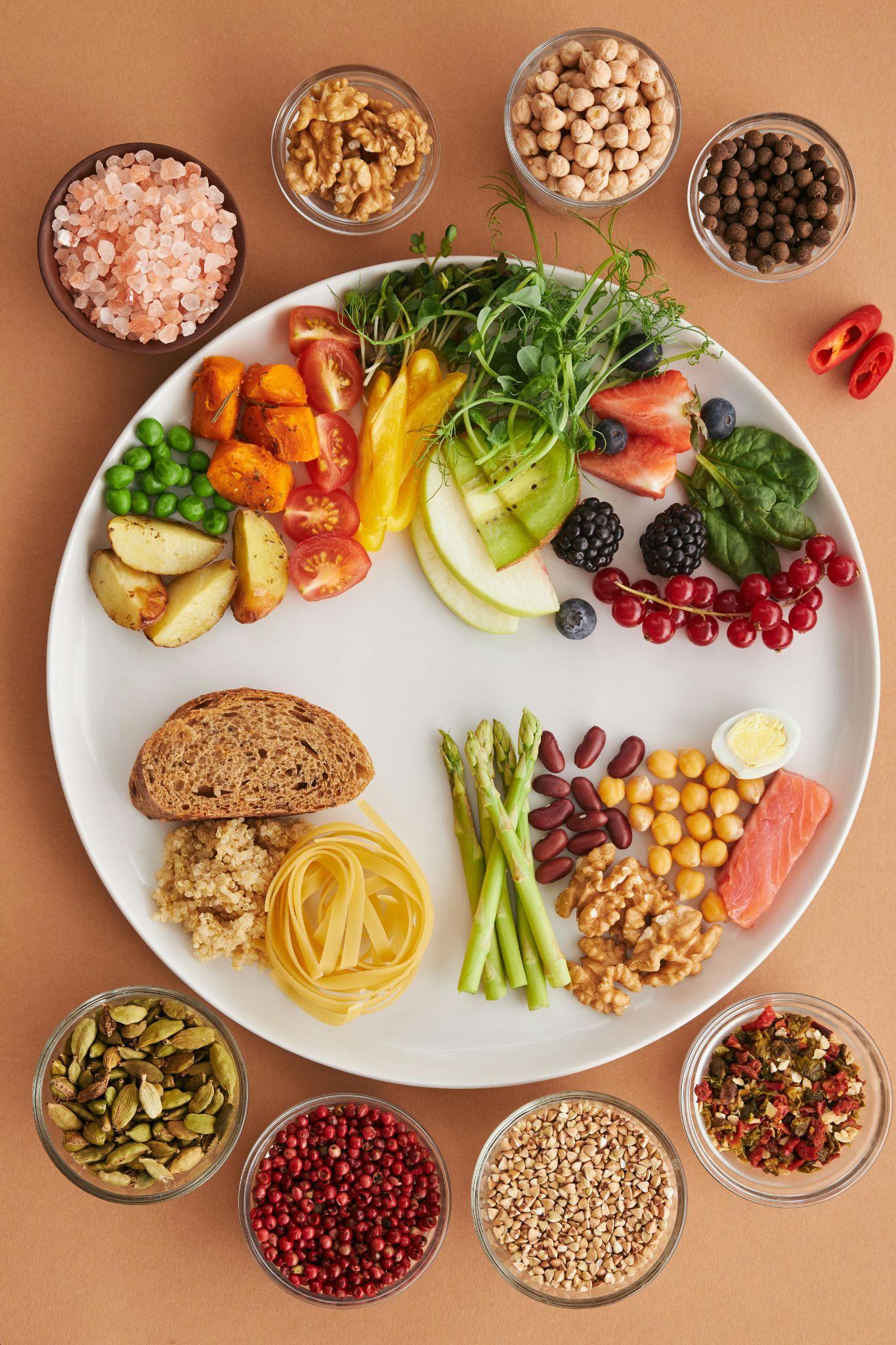
Personalized nutrition encourages mindful eating — not restriction. Instead of eliminating entire food groups, it teaches individuals which foods work best for their systems. Whether boosting energy, enhancing digestion, improving skin health, or managing weight, tailored diets replace guesswork with clarity.
The Future of Meal Planning Is Personal
As research advances and testing becomes even more sophisticated, personalized nutrition will likely become the standard of care. From optimizing athletic performance to managing chronic conditions, the potential is vast and still unfolding.
Ultimately, this new era empowers individuals to understand their bodies better, make smarter choices, and build habits that support long-term health. The revolution in meal planning isn’t about following trends — it’s about finally letting science guide what lands on our plates.
Key Takeaways
- ■Generic diets often fail — Metabolism, enzyme efficiency, and nutrient absorption vary dramatically between individuals
- ■DNA testing guides nutrition — Genetic markers reveal how you process carbs, vitamins, and food sensitivities
- ■Gut microbiome matters — Trillions of bacteria influence digestion, immunity, mood, and inflammation
- ■Technology makes it accessible — Home DNA kits and microbiome tests now provide personalized meal plans via apps
related articles


- by dylan young
- December 9, 2025
Mindful Movement: Integrating Gentle Fitness Into Your Everyday Life

- by andrew jackson
- December 7, 2025
Smart Sleep: Latest Gadgets and Techniques for Better Rest in 2025

- by aron fernandes
- January 27, 2025
The Science Behind Habit Stacking: How to Build a Lasting Healthy Routine

- by joe moore
- January 26, 2025