- by marcus reed
- January 20, 2026
Beginner’s Guide to Growing Edible Herbs Indoors Year-Round
- by emily watson,
- January 24, 2026
- Reading Time: 5-6 mins
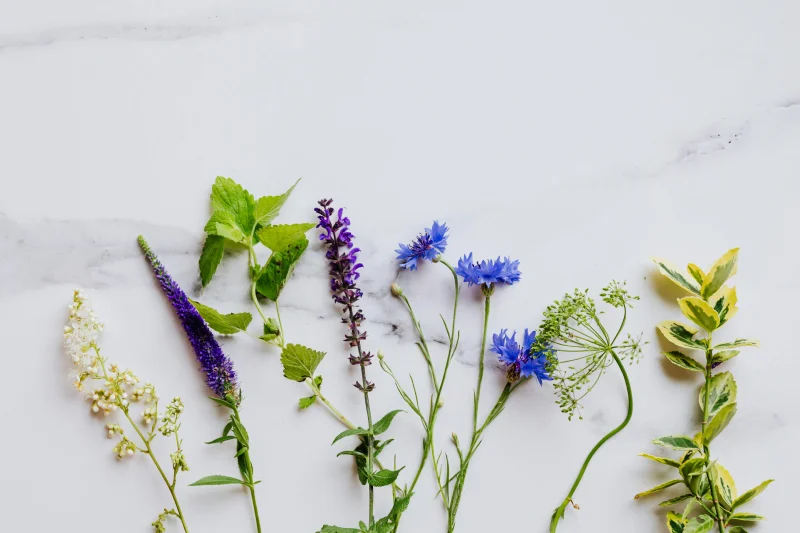
Bringing greenery into your home doesn’t just brighten your space — it also enhances your meals and mood. Growing edible herbs indoors allows you to enjoy fresh flavors year-round, even if you don’t have access to an outdoor garden. With the right setup and care, your kitchen can double as a fragrant mini-farm full of basil, mint, and rosemary at your fingertips.
“To plant a garden is to believe in tomorrow.” — Audrey Hepburn
This timeless quote perfectly captures the joy of nurturing plants. Whether you’re a seasoned cook or a beginner gardener, indoor herbs offer a daily reminder that growth and freshness can flourish anywhere — even on a sunny windowsill.
Choosing the Right Herbs
Some herbs naturally adapt to indoor environments better than others. The key is selecting varieties that thrive in limited sunlight and consistent temperatures. Great beginner-friendly herbs include:
- Basil: Loves warmth and sunlight; perfect for pasta, salads, and sauces.
- Mint: Easy to grow and refreshingly aromatic; ideal for teas and desserts.
- Parsley: Hardy and versatile, great for garnishes and savory dishes.
- Thyme: Compact and low-maintenance, adds depth to roasts and soups.
- Chives: Grow quickly and are perfect for salads, dips, and omelets.
- Rosemary: Thrives in bright light and adds fragrance to your kitchen.
Mixing a few of these will not only enhance your cooking but also create a lush, fragrant indoor display.
Setting Up Your Indoor Herb Garden
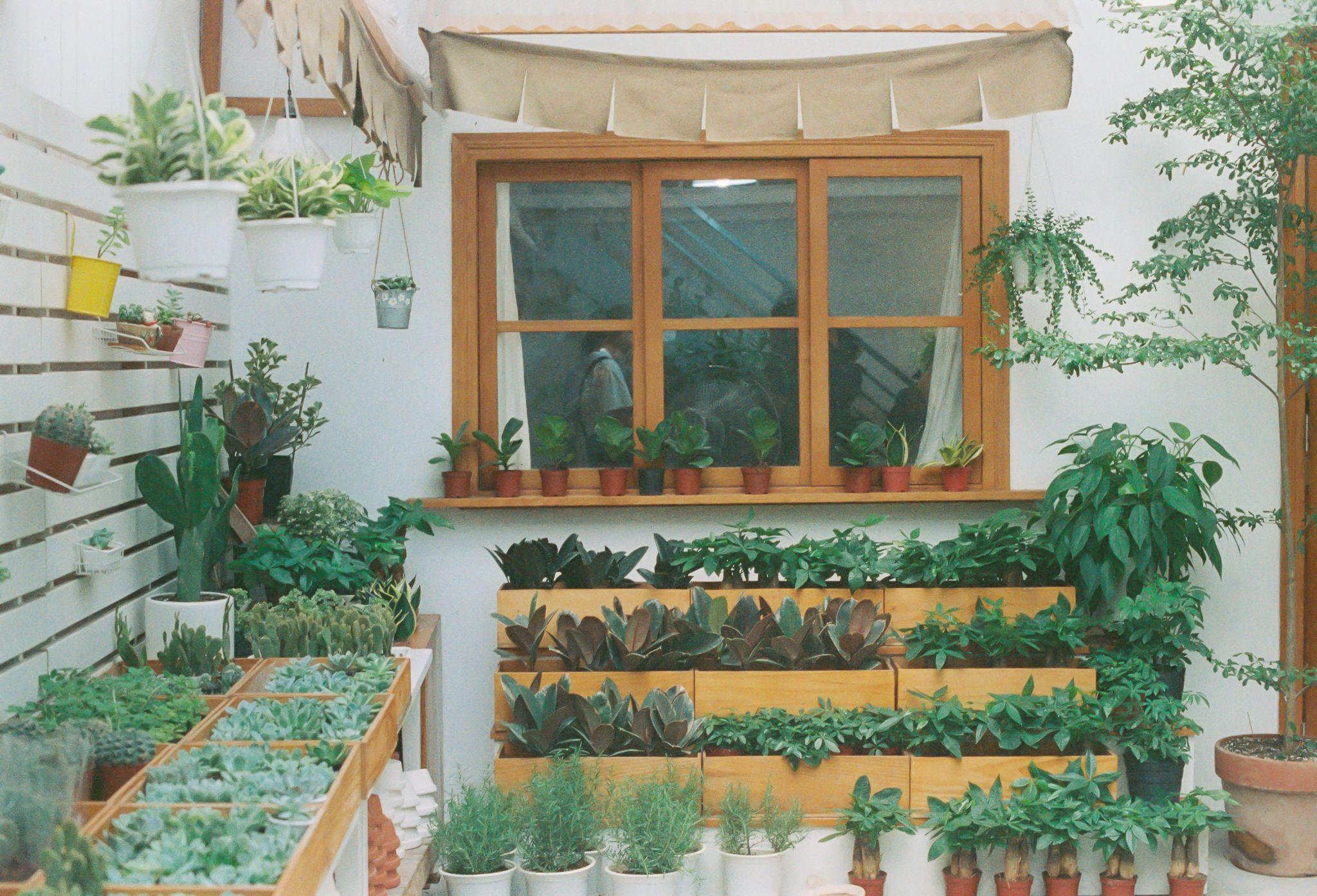
You don’t need a large space — just a bit of planning and creativity. Herbs grow best with 4–6 hours of sunlight per day, so choose a bright windowsill facing south or west. If natural light is limited, use LED grow lights, which mimic sunlight and encourage healthy growth.
Use containers with drainage holes to prevent root rot, and select pots that suit your home’s style — from rustic terracotta to sleek ceramic. Place trays underneath to catch excess water. Herbs prefer well-draining soil; a light potting mix with perlite or sand works best.
Keep temperatures between 65°F and 75°F (18°C–24°C) for optimal growth, and ensure there’s good airflow to prevent mildew.
Caring for Your Herbs
Consistency is key to successful indoor gardening. Water herbs when the top inch of soil feels dry — but avoid overwatering, as soggy roots can quickly kill plants. A small watering can or misting bottle helps regulate moisture.
Rotate pots weekly so all sides receive even light, and trim regularly to encourage bushier growth. Pruning not only keeps plants healthy but also provides you with a constant supply of fresh herbs.
Once a month, feed your herbs with a diluted liquid fertilizer to replenish nutrients, especially if you harvest frequently.
Harvesting and Using Fresh Herbs
The best part of growing herbs is, of course, using them! Harvest in the morning when flavors are most concentrated. Snip the top leaves first — never remove more than one-third of the plant at once.
Store fresh cuttings in a damp paper towel inside a resealable bag in the refrigerator. Alternatively, dry or freeze extras to enjoy later. Whether you’re making herbal tea, pesto, or salad dressings, nothing compares to the aroma and flavor of homegrown herbs.
Common Challenges and Easy Fixes
- Leggy growth: Not enough light — move closer to a window or add a grow light.
- Yellow leaves: Overwatering — let soil dry out between waterings.
- Pests: Rinse leaves gently with water or use a natural neem oil spray.
With a little patience, these small adjustments help your indoor garden flourish beautifully.
Growing edible herbs indoors is one of the simplest and most rewarding ways to bring nature into your home. With a few pots, some sunlight, and regular care, you’ll have a constant supply of flavor and freshness at your fingertips.
As Audrey Hepburn beautifully said, “To plant a garden is to believe in tomorrow.” Each new sprig you nurture is a reminder that with a little attention and love, growth is always possible — right in your kitchen.
Key Takeaways
- ■Many edible herbs thrive indoors with minimal space
- ■Proper light and watering are key to healthy year-round growth
- ■Indoor herb gardening adds freshness and flavor to home cooking
- ■Simple care routines make herb gardening beginner-friendly
related articles

- by lily anderson
- January 19, 2026
Modern Design Ideas to Maximize Small Living Spaces

- by james carter
- January 16, 2026
Home Safety Checklist to Protect Your Family and Property
- by daniel morgan
- January 13, 2026
All-Season Gardening Tips for a Thriving Green Space
- by sophia turner
- January 12, 2026