- by emily watson
- January 24, 2026
Declutter with Ease: Fast and Effective Home Organization Tips
- by sophia turner,
- January 12, 2026
- Reading Time: 4-5 mins
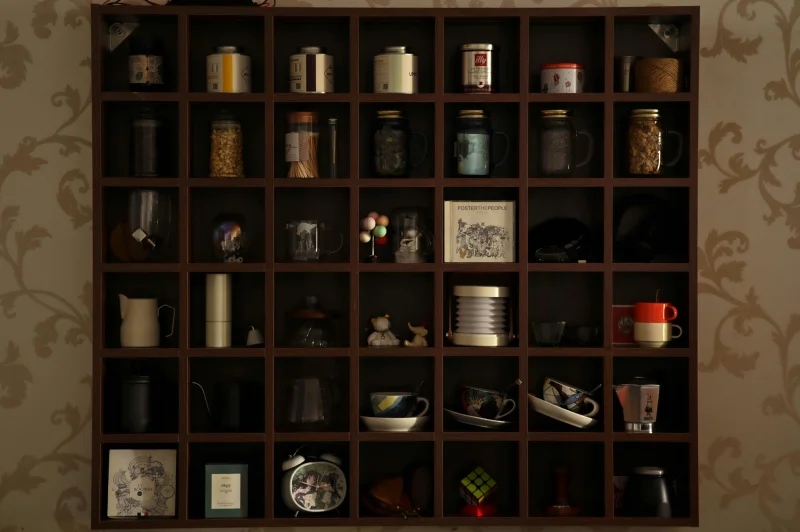
A cluttered home can cause stress, reduce focus, and affect overall well-being. Decluttering is more than an aesthetic improvement — it directly influences mental clarity, productivity, and your sense of control. By applying systematic strategies, decluttering can be fast, effective, and even enjoyable.
“Have nothing in your house that you do not know to be useful, or believe to be beautiful.” — William Morris, Designer and Social Reformer
Why Decluttering Matters
Studies from UCLA’s Center on Everyday Lives and Families show that cluttered environments increase cortisol levels, the body’s primary stress hormone, which can negatively impact mood and cognitive function. A decluttered space reduces stress, improves focus, and fosters a sense of accomplishment.
Step-by-Step Decluttering Strategy
- Start Small:
Focus on one area at a time — a drawer, shelf, or closet. Completing small sections builds momentum and motivation to tackle larger spaces. - Sort Items Methodically:
Use the “Keep, Donate, Discard” method. Be honest about items you truly need or love, and let go of those that no longer serve a purpose. - Use Smart Storage Solutions:
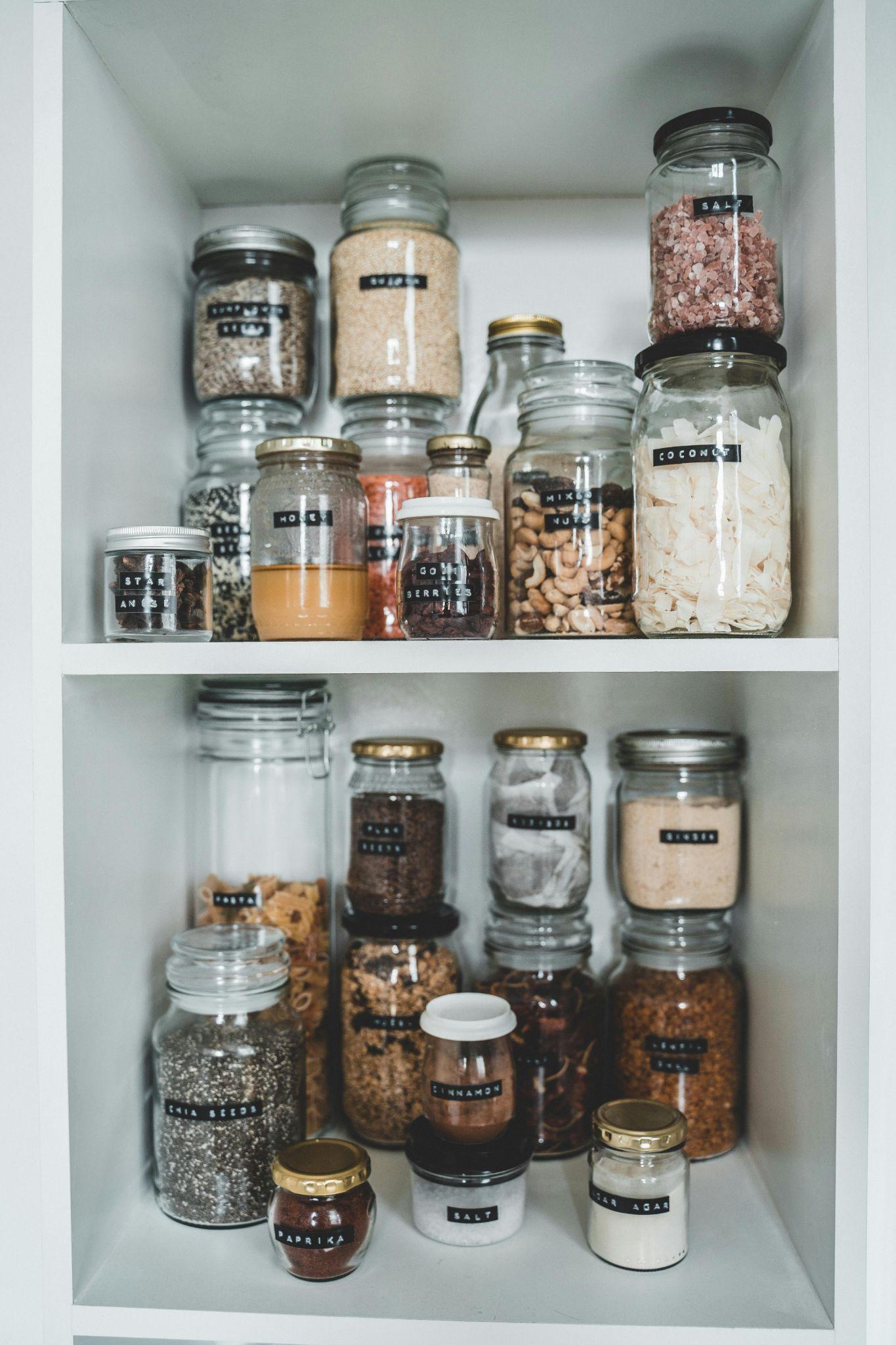
Invest in bins, drawer organizers, and multi-functional furniture. Vertical storage maximizes space while keeping items accessible. Label containers to maintain order.
- Establish Habits to Prevent Clutter:
Implement the “one-in, one-out” rule — remove one item whenever you bring in a new one. Dedicate 15–20 minutes weekly to tidying high-traffic areas. - Digitize When Possible:
Scan documents, photos, or receipts to reduce physical storage needs. Digital organization can save both space and time.
Decluttering as a Lifestyle
Decluttering is not a one-time project but a mindset shift. An organized home encourages intentional living, mindfulness, and efficiency. It fosters calm and clarity, allowing you to focus on tasks, hobbies, and relationships instead of managing chaos.
Practical Examples
- Create a donation box for clothing and unused items each month.
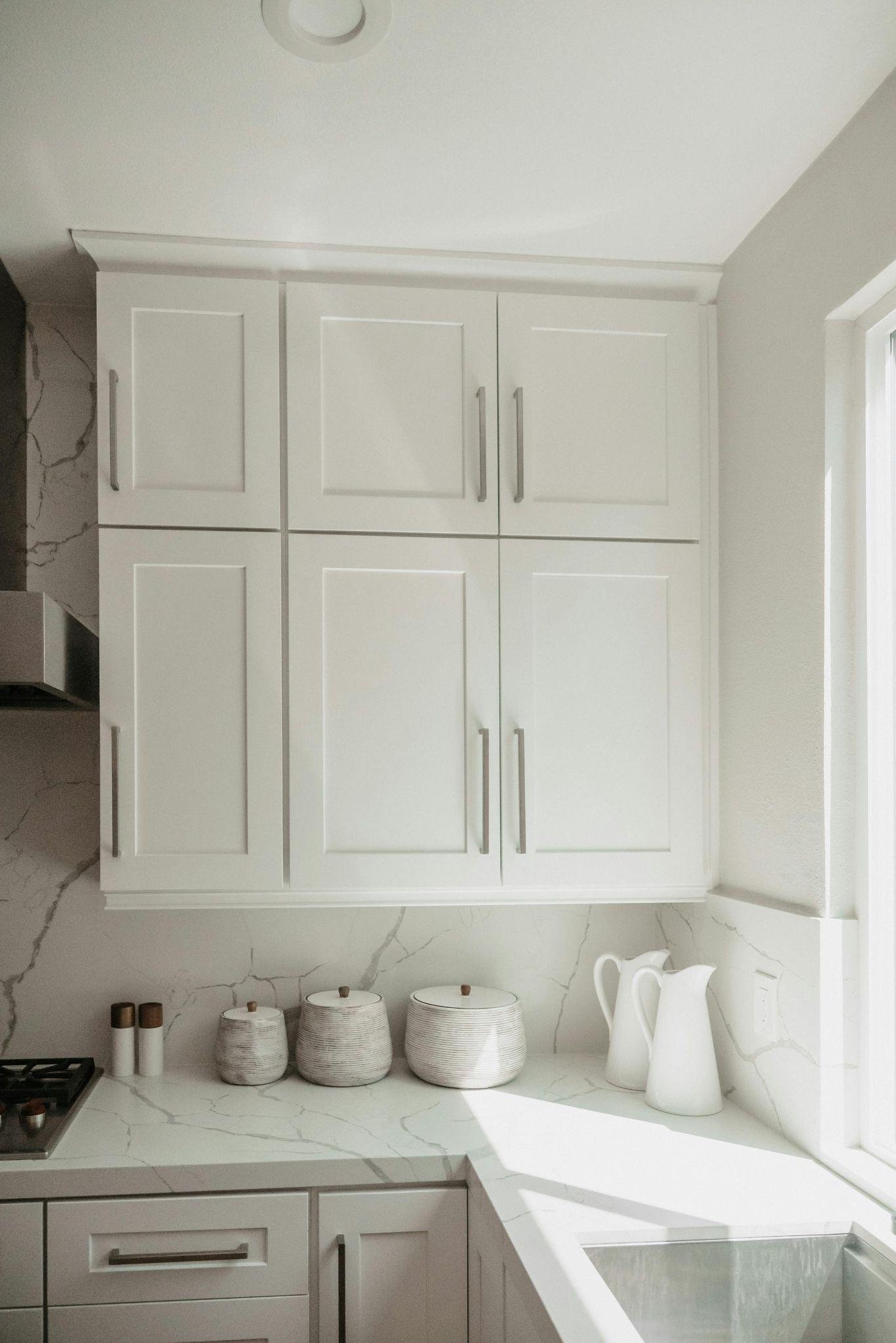
- Organize your kitchen by grouping items by category (e.g., baking, snacks, utensils).
- Set up a “command center” for bills, mail, and schedules to reduce paper clutter.
By integrating these strategies, decluttering becomes sustainable. A tidy, organized home positively impacts mental health, energy levels, and productivity, making it a worthwhile investment of both time and effort.
Key Takeaways
- ■Decluttering in small steps makes the process manageable
- ■Simple systems help maintain long-term organization
- ■Reducing clutter improves focus and lowers daily stress
- ■Organized spaces enhance both functionality and comfort
related articles

- by marcus reed
- January 20, 2026
Balcony & Rooftop Gardens: Turning Small Spaces Into Lush Retreats
- by lily anderson
- January 19, 2026
Modern Design Ideas to Maximize Small Living Spaces

- by james carter
- January 16, 2026
Home Safety Checklist to Protect Your Family and Property

- by daniel morgan
- January 13, 2026