- by emily watson
- January 24, 2026
How to Create a Low-Allergen Home With the Right Plants & Decor
- by natalie hughes,
- January 4, 2026
- Reading Time: 5-6 mins
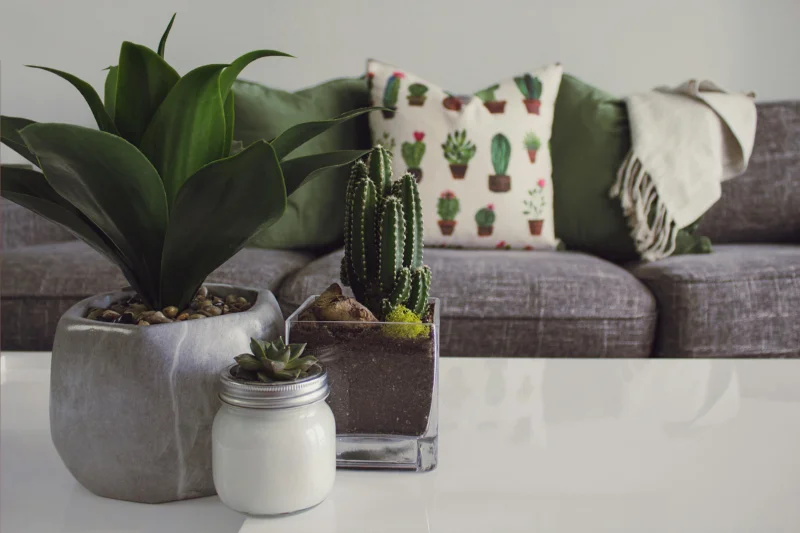
For many people, home is a sanctuary — a place to breathe freely and unwind. But for allergy sufferers, the very space meant for comfort can sometimes trigger sneezing, itchy eyes, or congestion. Dust, pollen, mold, and volatile compounds from synthetic decor can all impact indoor air quality. Fortunately, with a few mindful design choices and the right plants, you can transform your space into a low-allergen haven that promotes both health and harmony.
“The greatest wealth is health.” — Virgil
This timeless quote reminds us that comfort begins with wellness — and the way we design our surroundings directly shapes how we feel every day.
Start With the Right Foundation
Creating a low-allergen home begins with your surfaces and materials. Choose easy-to-clean flooring such as hardwood, vinyl, or tile instead of carpets, which trap dust mites and pet dander. If you prefer a softer touch, go for low-pile rugs made from natural fibers like cotton or jute — and make vacuuming a regular ritual using HEPA-filter vacuums.
When selecting furniture and fabrics, opt for tightly woven materials that don’t harbor dust. Leather, faux leather, or microfiber are great allergy-friendly options for sofas and chairs. Avoid heavy drapes that collect allergens; instead, use washable curtains or blinds that can be wiped down easily.
Choose Allergy-Friendly Plants
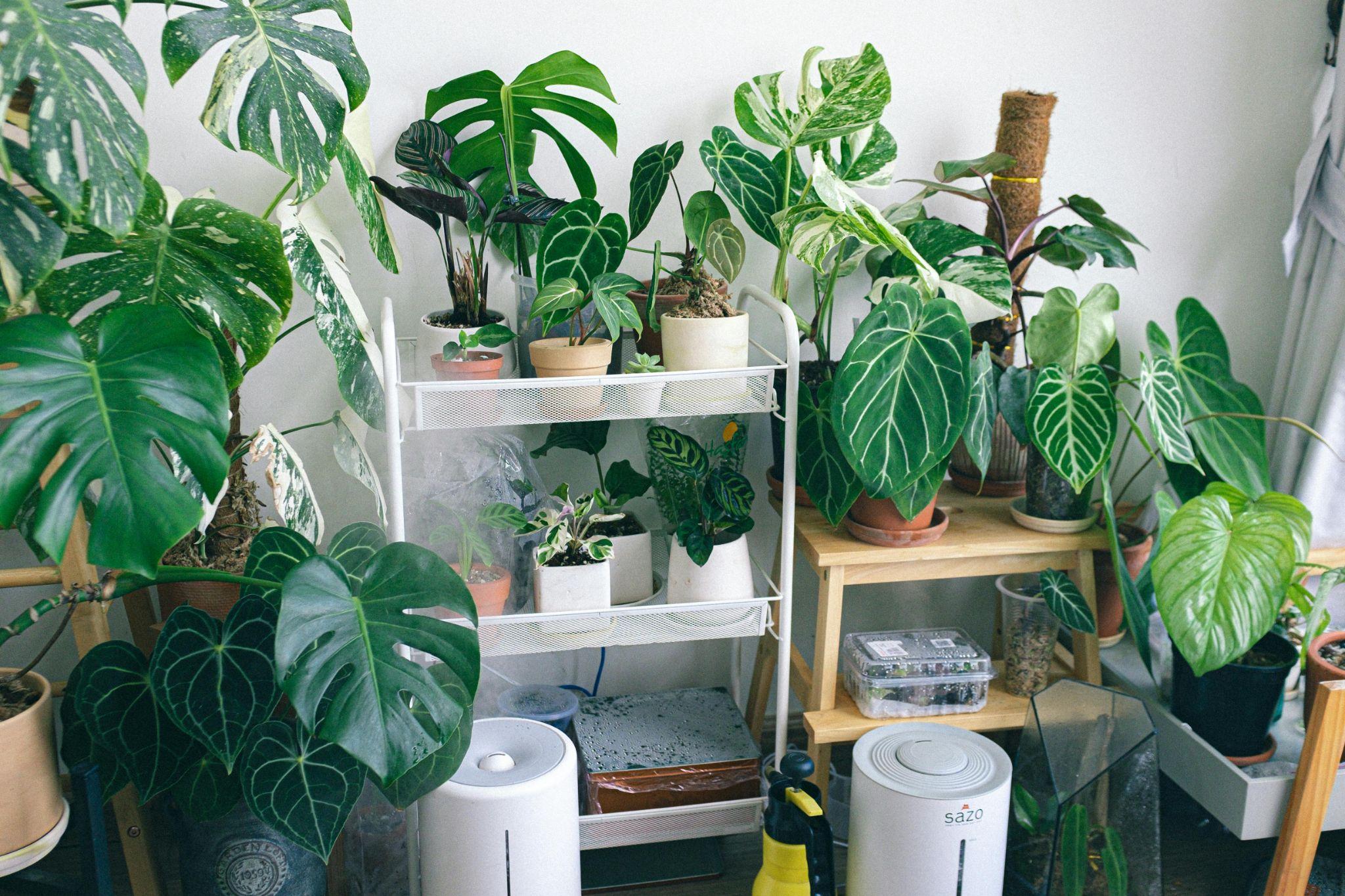
Contrary to popular belief, not all plants trigger allergies — many actually improve air quality by filtering out toxins and increasing oxygen levels.
Here are some low-allergen favorites:
- Peace Lily: Absorbs mold spores and cleans the air of formaldehyde and benzene.
- Areca Palm: A natural humidifier that’s gentle on sensitive sinuses.
- Snake Plant (Sansevieria): Converts CO₂ into oxygen even at night, improving sleep quality.
- Bamboo Palm: Great for reducing airborne toxins without shedding much pollen.
- Spider Plant: Highly effective at removing indoor pollutants like xylene and carbon monoxide.

Avoid high-pollen plants like flowering ivies, daisies, or ferns. When watering, ensure proper drainage to prevent mold buildup in soil — an often-overlooked allergy trigger.
Purify Your Air Naturally
A combination of plants and air purifiers can help keep allergens at bay. Modern HEPA purifiers capture fine particles like dust and pollen, while activated carbon filters remove odors and chemical residues. Keep windows open whenever possible to promote air circulation, especially in kitchens and bathrooms.
Adding essential oil diffusers with eucalyptus, lavender, or tea tree oil can also freshen the air naturally — but use them sparingly, as strong scents can sometimes irritate sensitive noses.
Decor That Promotes Clean Living
Minimalist decor isn’t just stylish — it’s also practical for reducing allergens. Clutter-free spaces collect less dust, making cleaning faster and easier. Choose closed storage options like cabinets or baskets to keep items tidy and protected.
For home decor, lean toward natural and hypoallergenic materials such as bamboo, cork, ceramic, or untreated wood. Avoid synthetic fragrances and candles that emit volatile organic compounds (VOCs); instead, use soy-based or beeswax candles for a natural aroma.
Adding light, airy colors like soft greens, beiges, and whites can also create a calming atmosphere, enhancing the sense of purity and freshness in your space.
Regular Cleaning Rituals
Even with the right setup, consistency is key. Wash bedding weekly in hot water, clean air filters monthly, and dust surfaces using microfiber cloths that trap particles effectively. If you have pets, brush them outdoors to minimize shedding indoors.
Small habits — like leaving shoes at the door or running a dehumidifier — can make a big difference in maintaining a healthy home environment.
A low-allergen home doesn’t mean sacrificing style or comfort — it’s about creating a balanced space that looks good, feels good, and supports your well-being. With mindful choices in materials, plants, and decor, you can breathe easier and live more comfortably every day.
As Virgil said, “The greatest wealth is health.” And with a little intention, you can design a home that embodies that truth — one clean breath at a time.
Key Takeaways
- ■Certain plants can help improve indoor air quality with minimal allergens
- ■Choosing low-dust, easy-to-clean decor reduces allergen buildup
- ■Proper ventilation complements allergen-friendly design choices
- ■A balanced approach enhances comfort without sacrificing style
related articles


- by marcus reed
- January 20, 2026
Balcony & Rooftop Gardens: Turning Small Spaces Into Lush Retreats
- by lily anderson
- January 19, 2026
Modern Design Ideas to Maximize Small Living Spaces

- by james carter
- January 16, 2026
Home Safety Checklist to Protect Your Family and Property

- by daniel morgan
- January 13, 2026