- by emily watson
- January 24, 2026
Natural vs. Chemical Pest Control: Best Home Solutions
- by olivia martin,
- January 12, 2026
- Reading Time: 5-6 mins
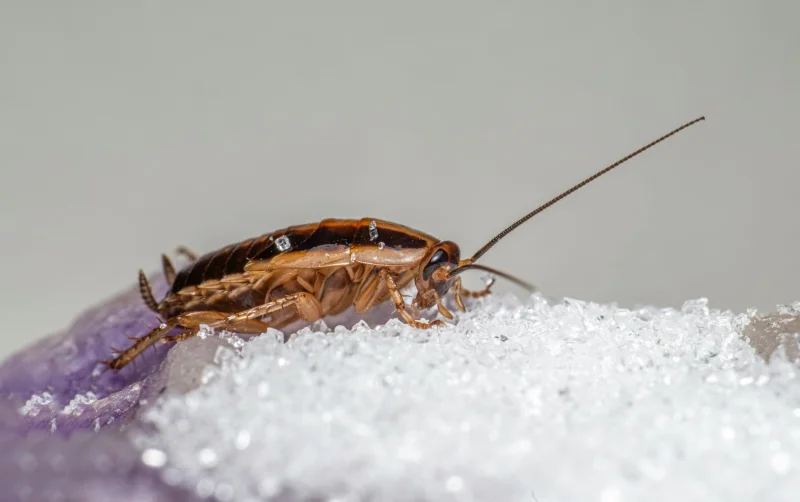
Pest control is an essential aspect of maintaining a safe and comfortable home. However, deciding between natural and chemical methods requires understanding effectiveness, safety, and long-term impact. Homeowners increasingly seek solutions that balance efficiency with health and environmental responsibility.
“An ounce of prevention is worth a pound of cure.” — Benjamin Franklin, Founding Father
Why Pest Control Matters
Pests such as ants, rodents, mosquitoes, and termites can damage property, spread disease, and disrupt daily life. Effective control preserves both home integrity and family health. While chemical pesticides often provide quick results, natural solutions minimize exposure to toxic substances and are environmentally friendly.
Natural Pest Control Methods
- Essential Oils: Peppermint, eucalyptus, and tea tree oils repel ants, spiders, and mosquitoes. Diluted sprays can be applied to entry points and infested areas.
- Diatomaceous Earth: A natural powder that damages insect exoskeletons, safe for pets and humans when used properly.
- Beneficial Insects: Ladybugs, lacewings, and nematodes naturally reduce pest populations in gardens.
- Vinegar Solutions: Vinegar sprays can deter ants, fruit flies, and other small pests in kitchens.
- Physical Barriers: Mesh screens, door sweeps, and sealing cracks prevent pest entry without chemicals.
Chemical Pest Control Methods
Chemical pesticides can be highly effective for severe infestations but require caution. Consider:
- Spot Treatment: Use targeted sprays rather than broad applications.
- Follow Label Instructions: Avoid over-application and adhere to safety guidelines.
- Ventilation: Ensure proper airflow to reduce inhalation of fumes.
- Timing: Apply when family members and pets are not present.
Balancing Safety and Effectiveness
For minor infestations, natural solutions often suffice, reducing exposure to harmful chemicals. For persistent or structural issues, professional chemical treatment may be necessary. Integrated Pest Management (IPM) combines preventive measures, natural deterrents, and targeted chemical use for optimal results.
Practical Tips for Homeowners
- Maintain cleanliness to prevent attracting pests.
- Store food in sealed containers and dispose of garbage regularly.
- Regularly inspect basements, attics, and crawl spaces for signs of infestation.
- Rotate natural deterrents and monitor effectiveness over time.
By understanding the benefits and limitations of both approaches, homeowners can choose solutions that are safe, effective, and sustainable, ensuring a pest-free home while minimizing health risks.
Key Takeaways
- ■Natural pest control is safer for people, pets, and beneficial insects
- ■Chemical solutions may offer faster results but can carry health risks
- ■Combining preventive measures with targeted treatments increases effectiveness
- ■Understanding the pros and cons of each approach helps make informed choices
related articles

- by marcus reed
- January 20, 2026
Balcony & Rooftop Gardens: Turning Small Spaces Into Lush Retreats
- by lily anderson
- January 19, 2026
Modern Design Ideas to Maximize Small Living Spaces

- by james carter
- January 16, 2026
Home Safety Checklist to Protect Your Family and Property
- by daniel morgan
- January 13, 2026