- by emily watson
- January 24, 2026
Organic Gardening Made Easy: A Deep Dive into Natural Care
- by noah anderson,
- January 6, 2026
- Reading Time: 4-5 mins
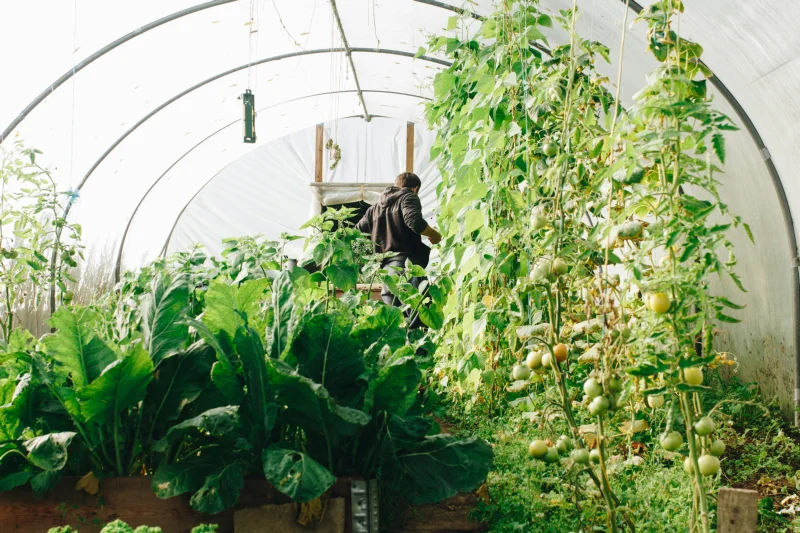
Organic gardening is less about avoiding chemicals and more about nurturing a rich, living soil ecosystem. The goal is to build a garden environment so healthy and resilient that plants naturally resist pests and disease.
The Foundation: Building the Living Soil through Composting
Composting is the single most important act of an organic gardener. It is essentially controlled decomposition that creates the lifeblood of your garden: humus (finished compost).
The Recipe for "Black Gold"
To make great compost, you need a balanced diet for the soil microbes, which is often described as the Carbon-to-Nitrogen ratio (C:N).
- Carbon (The Browns): The Fuel and Structure. Think of browns as the fuel and the skeleton of your pile. This includes dried, woody, or paper material like fallen leaves, shredded cardboard, newspaper, and wood chips. They provide the bulky structure that allows air to flow through the pile, which is critical for aerobic microbes. Without enough browns, your pile turns into a slimy, foul-smelling mess.
- Nitrogen (The Greens): The Protein and Heat. Greens are the fresh, moist materials that provide the protein (nitrogen) for the microbes to multiply rapidly. This includes all your kitchen scraps (fruit/veggie peels, coffee grounds, eggshells), fresh grass clippings, and garden trimmings. When the nitrogen is high, the microbes work in a frenzy, which generates heat, speeding up the decomposition process.
The Golden Ratio: Aim for roughly two to three times the volume of dry Browns to one part wet Greens. This balance prevents the pile from becoming anaerobic (stinky and slow) and ensures it heats up enough to break down rapidly.
The Composting Process in Action
- The Aeration Factor: The main job after mixing the C:N ratio is to ensure air flow. This is why you turn the pile. Flipping the compost every few weeks reintroduces oxygen to the center, preventing a smelly environment and dramatically accelerating the process.
- The Moisture Check: Your compost pile should feel like a wrung-out sponge. Too dry, and the microbial activity stalls; too wet, and it becomes dense, soggy, and airless.
- The Result: After a few months of turning and monitoring, the pile will cool down and shrink. The finished product—compost—is a dark, crumbly, earthy-smelling substance. This is the ultimate soil conditioner.
Part 2: Natural Plant Care and Soil Maintenance
Once you have your compost, the focus shifts to how you use it and how you protect your plants without chemicals.
The Soil's Protective Blanket: Mulch
The healthy soil you create must be protected. In nature, soil is never left bare.
- The Power of Cover: By covering the soil surface with a 2 to 3-inch layer of organic mulch (like shredded leaves, straw, or wood chips), you mimic a forest floor.
- Benefits:
- Temperature Regulation: It keeps the soil cool in the summer and insulates it in the winter, reducing stress on roots.
- Water Conservation: It drastically slows evaporation, meaning you water less often.
- Weed Suppression: It blocks sunlight, preventing most weed seeds from germinating.
- Soil Building: As the mulch slowly decomposes, it continuously feeds the soil life and adds organic matter from the top down, a natural process known as No-Till gardening.
Strategic Pest Management: Prevention Over Cure
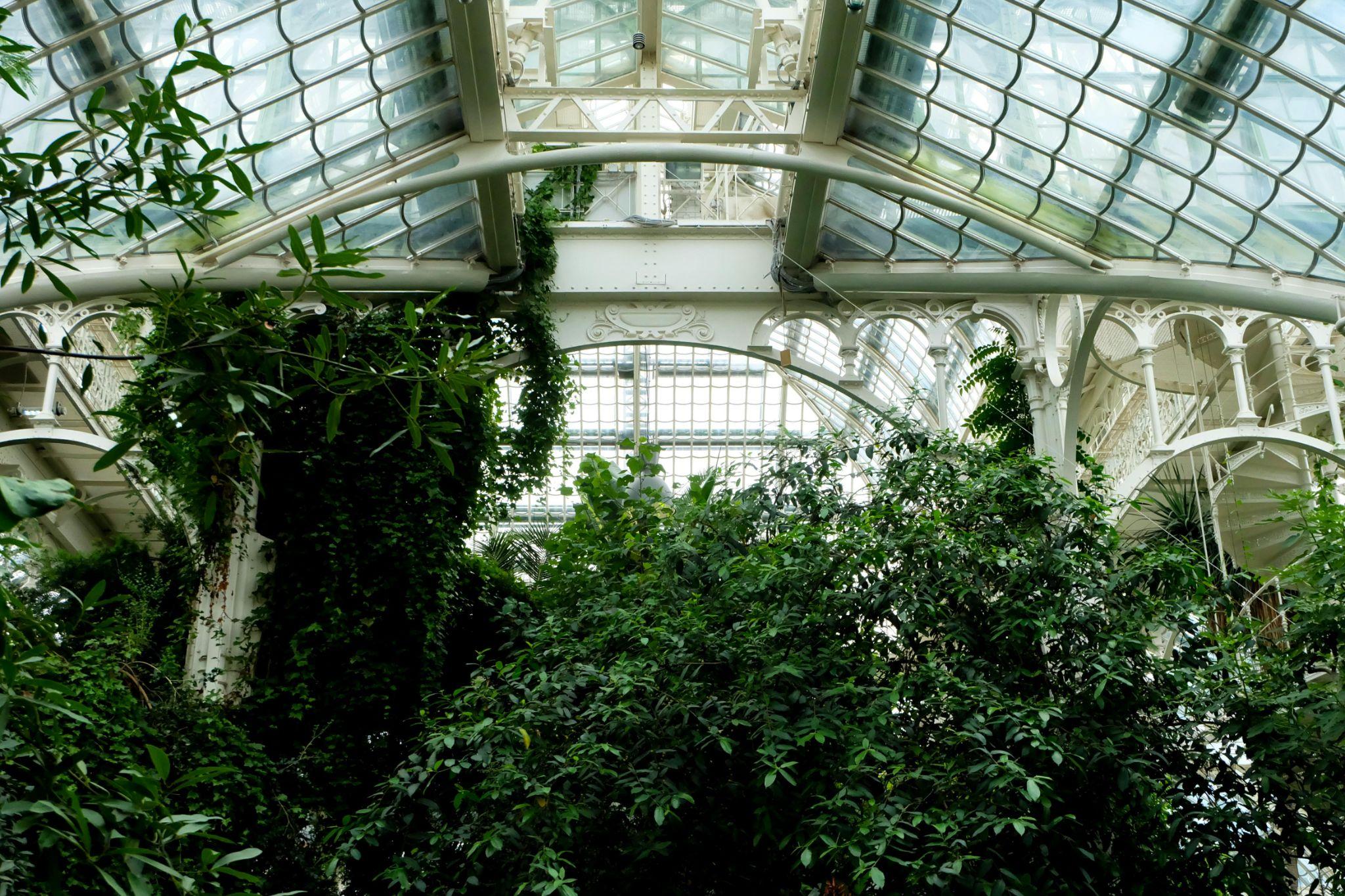
In organic gardening, a few nibbled leaves are not a sign of failure—they are a sign that the ecosystem is active. The goal is management, not eradication.
1. Cultural and Physical Controls (The First Line of Defense)
- Plant Vigor: A healthy plant in rich, compost-amended soil is far less appealing to pests than a struggling one. Health is the best defense.
- Row Covers: For highly vulnerable crops (like brassicas that attract cabbage moths), use a lightweight fabric barrier called a floating row cover. This physically prevents flying insects from landing on the plants and laying eggs.
- Hand Removal and Water: The simplest tools are your eyes and a strong stream of water. Look for large pests like hornworms or slugs and remove them. For small, clustered pests like aphids, a strong blast from the garden hose can knock them off—once dislodged, they rarely recover.
2. Utilizing Natural Allies: Beneficial Insects
Instead of spraying, you want to invite predators to live in your garden.
- Ladybugs and Lacewings are voracious predators of aphids, spider mites, and scale.
- How to Attract Them: Plant a diverse selection of small-flowered herbs and flowers among your vegetables. Plants like dill, fennel, calendula, sweet alyssum, and yarrow provide the pollen and nectar these beneficial insects need to thrive when their primary pest food source runs low.
3. Targeted Organic Sprays (The Last Resort)
If an infestation is overwhelming, there are natural remedies that are highly targeted and break down quickly:
- Insecticidal Soap: This is a simple, fatty acid-based product that only affects soft-bodied pests (aphids, mites, whiteflies) by dissolving their outer layer. It must contact the pest to work and leaves no residue.
- Neem Oil: Derived from the neem tree, this is a broad-spectrum organic control. It not only kills insects but acts as a fungicide to control diseases like powdery mildew. Crucially, always apply neem oil late in the evening to protect beneficial insects (like bees) who are not active at night.
- Diatomaceous Earth (DE): This powder is deadly to insects with hard exoskeletons (beetles, slugs). It works purely mechanically, not chemically, by scratching their bodies. It must be dry to be effective, so it is often reapplied after watering or rain.
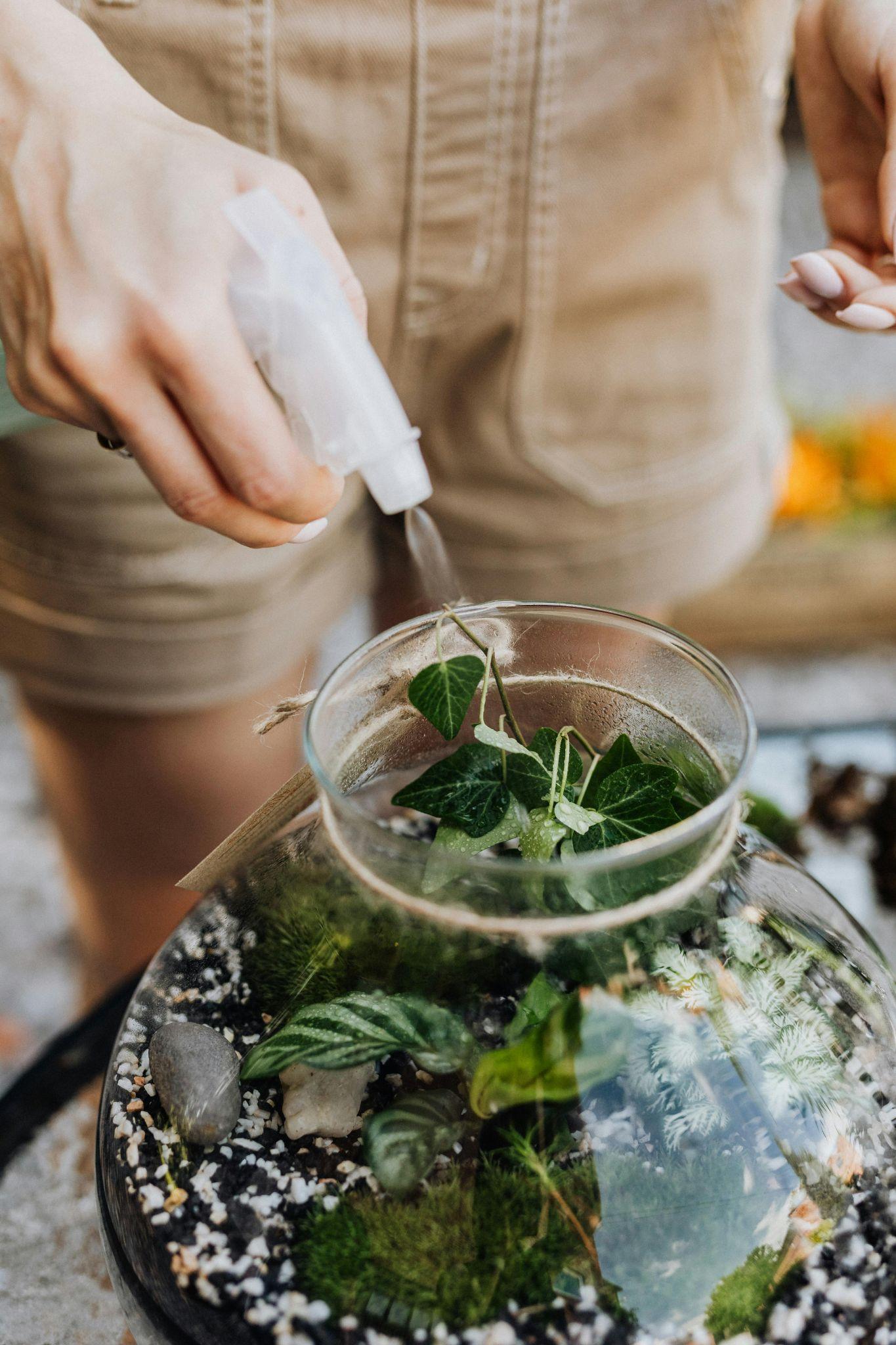
By focusing on these three pillars—Composting for soil fertility, Mulching and Crop Rotation for soil structure, and Prevention and Beneficials for pest control—you build a resilient, productive, and truly organic garden.
Key Takeaways
- ■Organic gardening focuses on soil health and natural nutrient cycles
- ■Natural pest control methods reduce harm to beneficial insects
- ■Composting and organic fertilizers improve long-term plant vitality
- ■Sustainable practices support both garden productivity and ecosystem health
related articles


- by marcus reed
- January 20, 2026
Balcony & Rooftop Gardens: Turning Small Spaces Into Lush Retreats

- by lily anderson
- January 19, 2026
Modern Design Ideas to Maximize Small Living Spaces

- by james carter
- January 16, 2026
Home Safety Checklist to Protect Your Family and Property
- by daniel morgan
- January 13, 2026