- by emily watson
- January 24, 2026
Seasonal Planting Guide for a Temperate Climate
- by lucas mitchell,
- January 4, 2026
- Reading Time: 4-5 mins

Gardening in a temperate climate offers a unique balance: four distinct seasons provide opportunities for year-round growth, allowing you to curate a vibrant, ever-changing landscape. Whether you’re tending a backyard garden, balcony planters, or indoor pots, understanding seasonal rhythms ensures healthy, thriving plants and a seamless blend of beauty and functionality.
Spring — The Season of Renewal
Spring is ideal for planting cool-season vegetables, early flowers, and bulbs that will bloom later in the year. Consider:
- Vegetables: Lettuce, spinach, peas, radishes
- Flowers: Tulips, daffodils, primroses
- Tips: Prepare soil with compost, and start seeds indoors for a head start on longer-season crops.
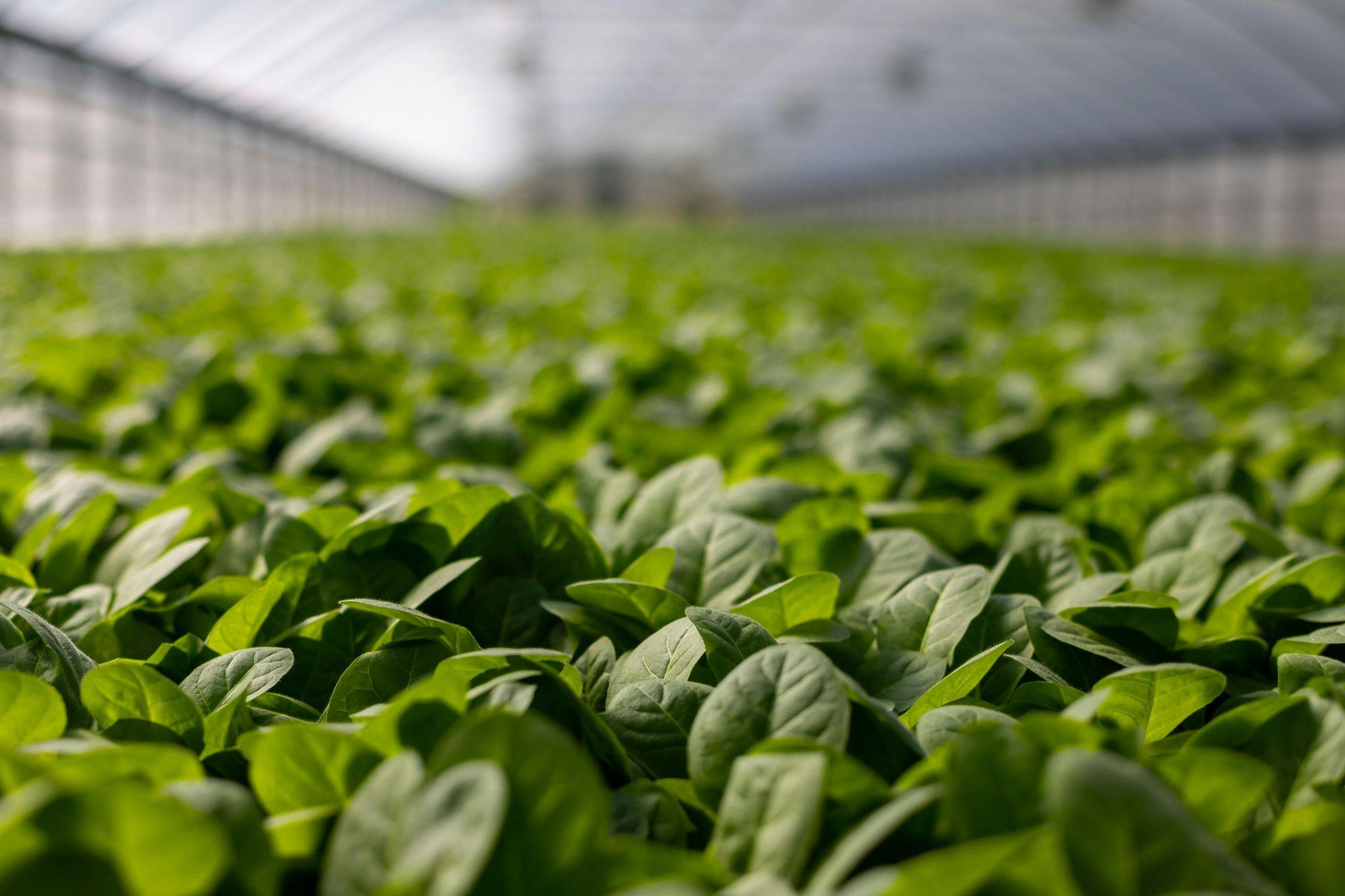
Summer — Growth and Abundance
With longer days and warmer temperatures, summer is perfect for sun-loving plants and heat-tolerant crops. Consider:
- Vegetables: Tomatoes, peppers, cucumbers, zucchini
- Flowers: Sunflowers, marigolds, petunias
- Tips: Water consistently, mulch to retain moisture, and provide shade for delicate seedlings during extreme heat.
Autumn — Harvest and Preparation
Autumn is both a harvest season and a time to prepare for the next planting cycle. Consider:
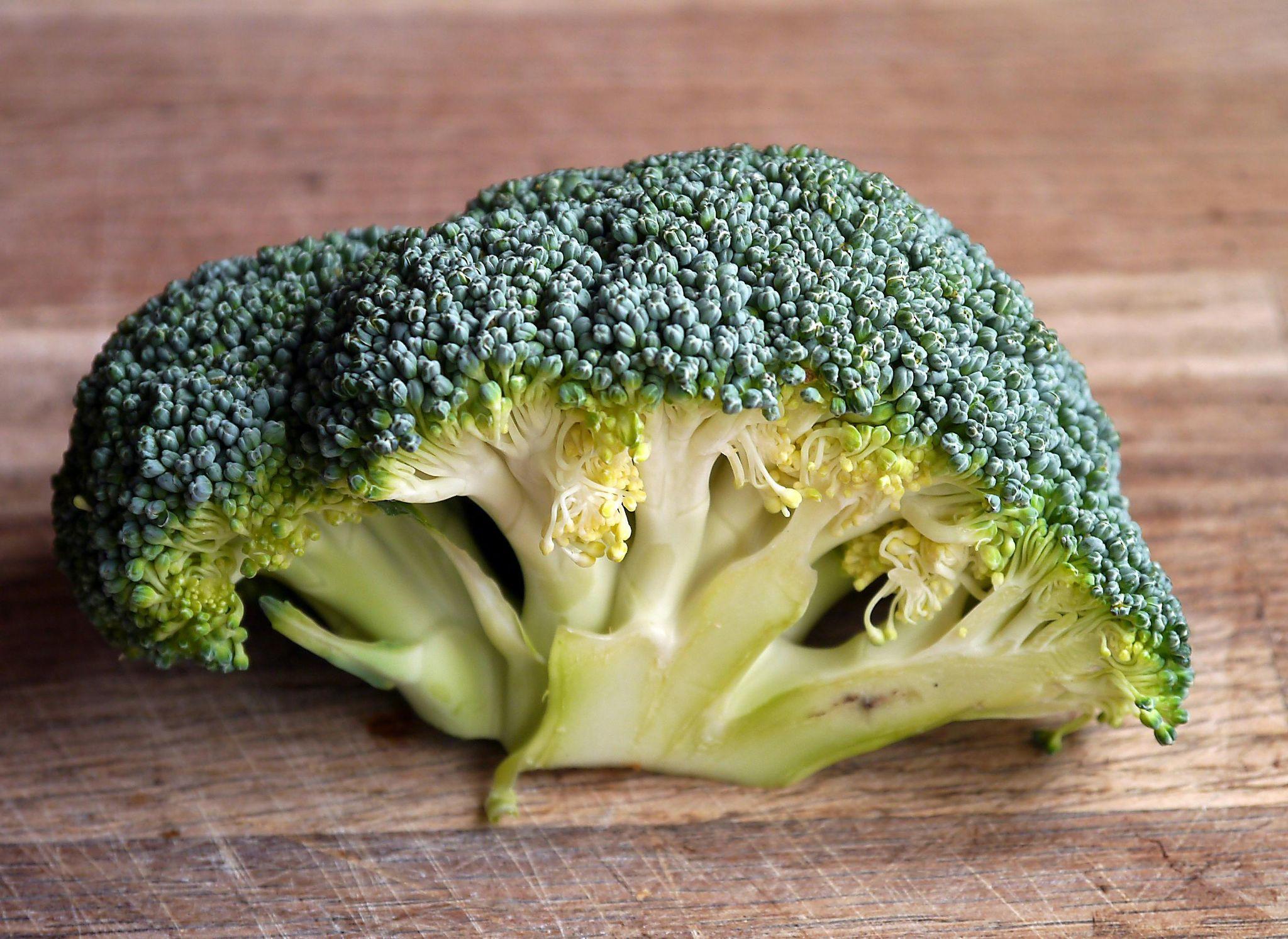
- Vegetables: Kale, broccoli, cabbage
- Flowers: Chrysanthemums, pansies
- Tips: Clean up garden beds, remove spent plants, and add compost to replenish nutrients for winter and spring planting.
Winter — Rest and Resilience
Even in the cooler months, a temperate climate allows for strategic planting and indoor gardening. Consider:
- Vegetables: Garlic, onions, hardy greens
- Flowers/Indoor Plants: Cyclamen, amaryllis, indoor herbs
- Tips: Protect outdoor plants with covers or mulch and take advantage of indoor spaces for growing herbs and small crops year-round.
By aligning your gardening practices with the natural rhythm of each season, you can cultivate a vibrant, productive, and sustainable garden in a temperate climate. Seasonal planting ensures continual growth, reduces plant stress, and enhances both aesthetics and yield, transforming your outdoor or indoor space into a year-round haven of greenery and vitality.
Key Takeaways
- ■Understanding seasonal cycles is essential for plant health and yield
- ■Cool-season and warm-season plants have distinct planting windows
- ■Proper timing reduces plant stress and improves growth outcomes
- ■Seasonal planning helps maximize garden productivity throughout the year
related articles


- by marcus reed
- January 20, 2026
Balcony & Rooftop Gardens: Turning Small Spaces Into Lush Retreats

- by lily anderson
- January 19, 2026
Modern Design Ideas to Maximize Small Living Spaces

- by james carter
- January 16, 2026
Home Safety Checklist to Protect Your Family and Property
- by daniel morgan
- January 13, 2026