- by emily watson
- January 24, 2026
Water-Saving Gardening: Drought-Resistant Plants & Smart Irrigation Tips
- by andrew foster,
- January 4, 2026
- Reading Time: 5-6 mins
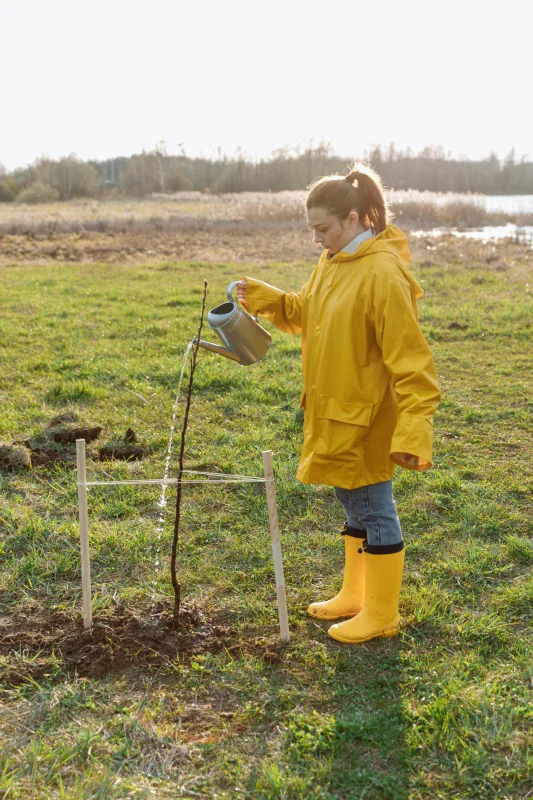
As climate patterns shift and water resources become increasingly precious, gardeners around the world are embracing sustainable, water-smart gardening practices. The goal? To create outdoor spaces that remain vibrant and healthy while conserving one of our planet’s most vital resources — water.
“Thousands have lived without love, not one without water.” — W. H. Auden
This powerful reminder captures the essence of modern gardening: nurturing life while respecting nature’s limits. By using drought-resistant plants and innovative irrigation systems, you can build a stunning, resilient garden that thrives even in dry conditions.
Designing a Water-Wise Garden
Water-efficient gardens start with thoughtful design. Group plants based on their water needs — a method known as hydrozoning. Place drought-tolerant species together and reserve more water-demanding plants for shaded or moisture-rich areas.
Choose native plants whenever possible. They’re naturally adapted to local climate conditions, meaning they require less water, fertilizer, and maintenance. Incorporating mulch around your plants is another simple but powerful trick — it helps retain moisture, reduces evaporation, and keeps roots cool during hot spells.
Consider replacing large lawn areas with ground covers like creeping thyme or sedum. Lawns are among the biggest water consumers in home gardens, while ground covers offer texture, color, and biodiversity without the constant watering.
Best Drought-Resistant Plants
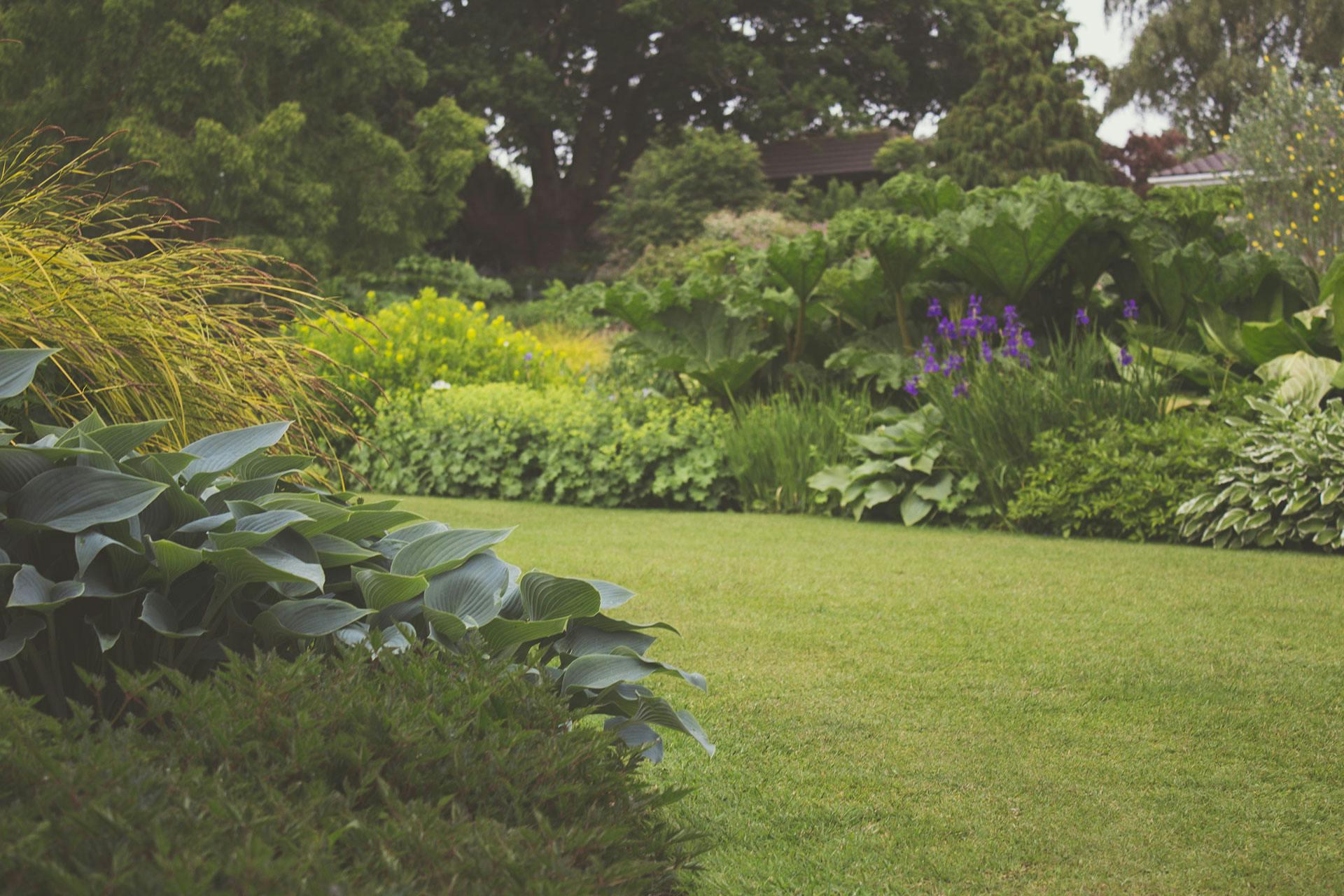
A water-saving garden doesn’t mean giving up beauty or variety. Many drought-tolerant plants offer vibrant blooms, interesting textures, and year-round appeal. Here are a few standouts:
- Lavender: Fragrant and hardy, lavender thrives in full sun and dry soil while adding a pop of purple to your garden.
- Succulents: Varieties like echeveria, aloe, and agave store water in their leaves, making them perfect for arid climates.
- Rosemary and Sage: These aromatic herbs not only flavor your dishes but also withstand hot, dry weather beautifully.
- Bougainvillea: Colorful and sun-loving, it blooms brilliantly with minimal watering once established.
- Coneflower (Echinacea): A pollinator-friendly favorite that’s both drought-tolerant and visually striking.
Mixing perennials, ornamental grasses, and herbs can create a dynamic garden that’s both eco-friendly and low-maintenance.
Smart Irrigation Strategies
Modern technology makes water conservation easier than ever. Installing a drip irrigation system is one of the most effective ways to ensure your plants get just the right amount of water directly at the roots — where they need it most — with minimal waste.
Upgrade to smart irrigation controllers that adjust watering schedules based on real-time weather data, humidity levels, and soil moisture. This automation ensures optimal efficiency and prevents overwatering, which can be just as harmful as drought.
For smaller gardens, consider soaker hoses or self-watering planters, which maintain consistent moisture without runoff. Water early in the morning or late in the evening to reduce evaporation, and always check for leaks or clogs in your system to avoid unnecessary loss.
Sustainable Maintenance Habits
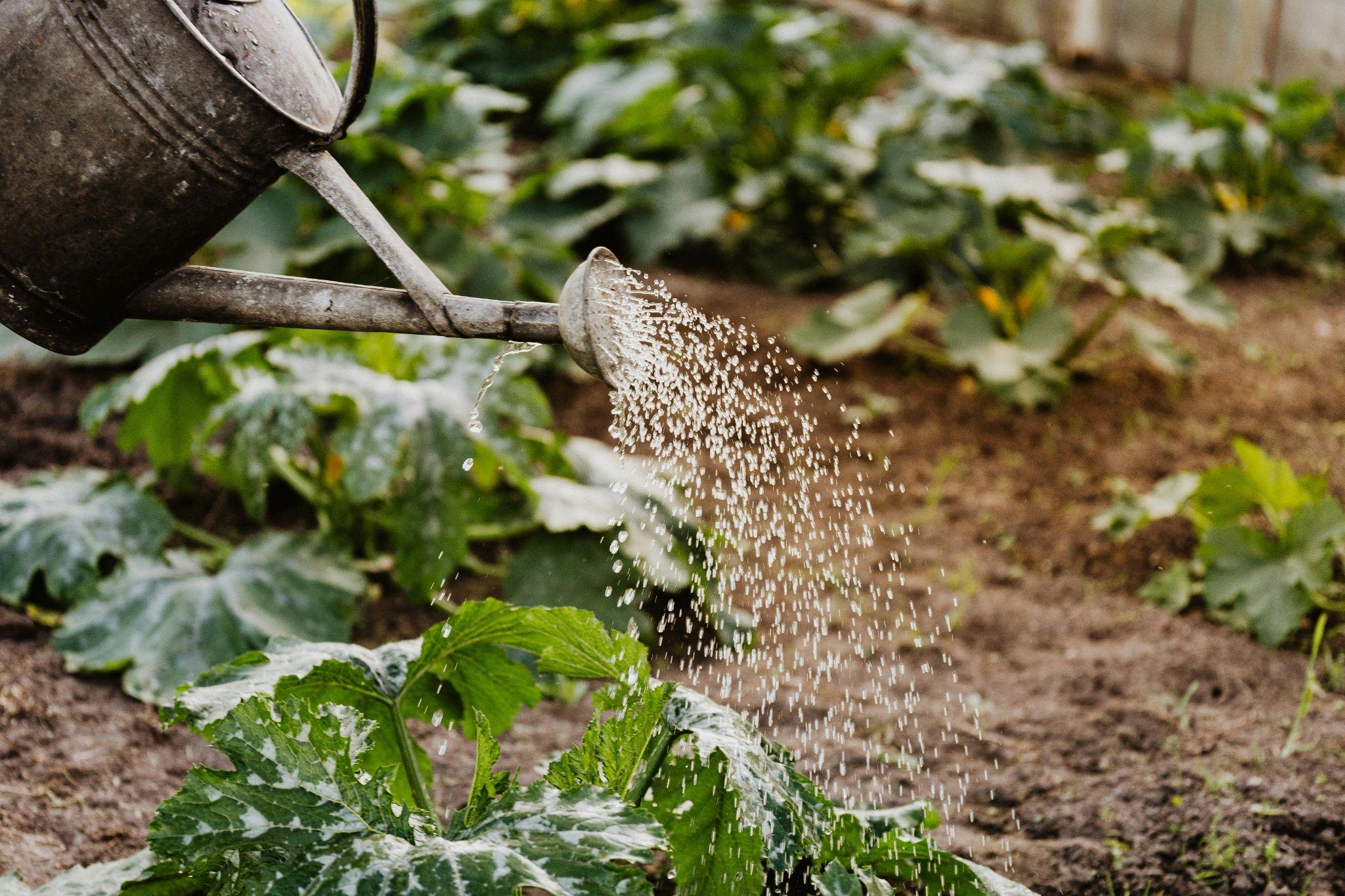
Beyond plants and irrigation, simple gardening habits can go a long way in saving water. Regularly add compost to improve soil structure and increase its water-holding capacity. Prune plants wisely to reduce excess leaf surface area that demands more hydration.
Capture rainwater in barrels for reuse — an eco-friendly way to water your garden naturally. Even small steps like adjusting sprinkler heads, fixing leaks, or using a broom instead of a hose to clean patios make a noticeable difference over time.
Water-saving gardening isn’t just about reducing consumption — it’s about cultivating harmony between beauty and sustainability. With drought-resistant plants, smart irrigation, and mindful care, your garden can thrive year-round while helping conserve the planet’s most precious resource.
As W. H. Auden reminded us, *“Thousands have lived without love, not one without water.”
- By designing with water in mind, you’re not just growing plants — you’re growing resilience, responsibility, and respect for nature’s balance.
Key Takeaways
- ■Drought-resistant plants thrive with minimal watering
- ■Smart irrigation systems reduce water waste and improve efficiency
- ■Mulching helps retain soil moisture and regulate temperature
- ■Water-conscious gardening supports sustainability and long-term plant health
related articles

- by marcus reed
- January 20, 2026
Balcony & Rooftop Gardens: Turning Small Spaces Into Lush Retreats

- by lily anderson
- January 19, 2026
Modern Design Ideas to Maximize Small Living Spaces

- by james carter
- January 16, 2026
Home Safety Checklist to Protect Your Family and Property
- by daniel morgan
- January 13, 2026