- by elliot-windham
- December 23, 2025
Essential Car Maintenance Tips to Extend Vehicle Life
- by sebastian rowe,
- December 18, 2025
- Reading Time: 5-6 mins
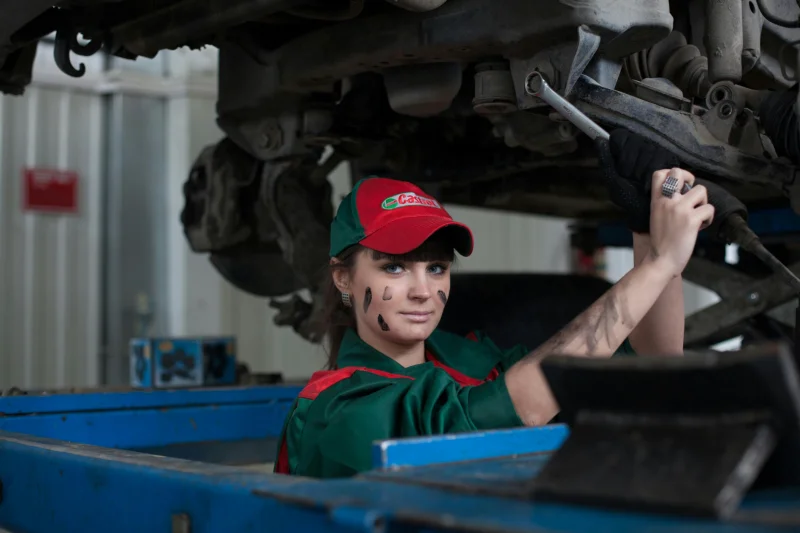
Owning a vehicle is more than just a convenience; it’s a significant investment. Proper maintenance not only ensures your car runs smoothly but also protects your financial investment, maximizes resale value, and extends the vehicle’s lifespan. Ignoring essential maintenance can lead to costly repairs, unexpected breakdowns, and even safety risks. By adopting a structured maintenance routine, drivers can enjoy peace of mind, improved performance, and long-term savings.
“Take care of your car in the garage, and the car will take care of you on the road.” — Amit Kalantri, Author and Financial Advisor
Regular Oil and Filter Changes
Engine oil is the lifeblood of your vehicle. It lubricates moving parts, reduces friction, and prevents overheating. Over time, oil breaks down and accumulates dirt, which can cause engine damage if not replaced regularly. Most manufacturers recommend oil changes every 3,000–7,500 miles, depending on the vehicle and type of oil used.
Tip: Always use the oil grade recommended in your owner’s manual. Pair oil changes with regular filter replacements to ensure maximum engine efficiency.
Tire Care for Safety and Efficiency
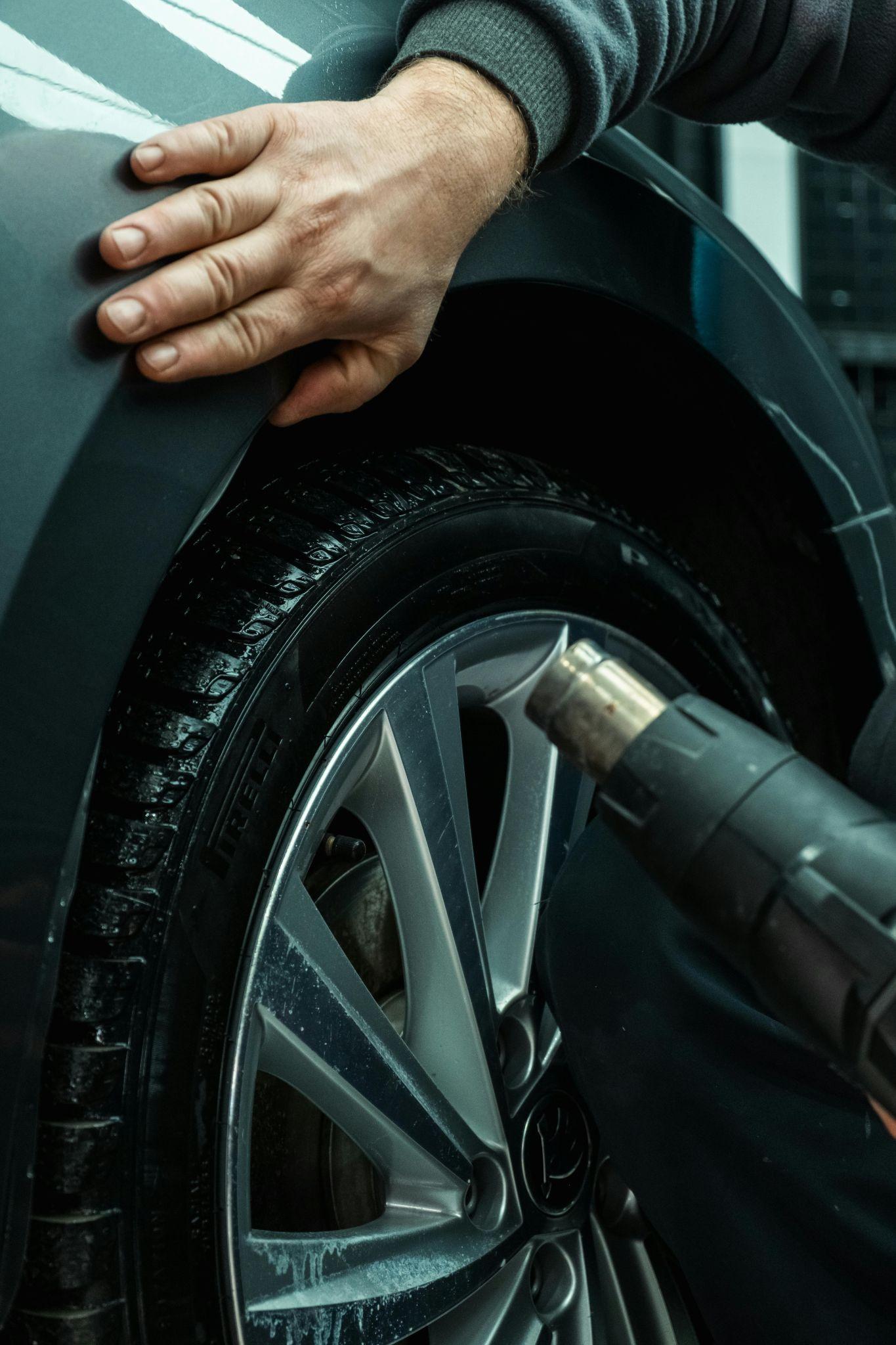
Tires are your car’s only contact with the road, making their maintenance critical for safety and fuel efficiency. Underinflated tires increase rolling resistance, reducing gas mileage, while overinflated tires can wear unevenly and compromise handling.
Key Steps:
- Check tire pressure monthly and adjust to the manufacturer’s recommended PSI.
- Rotate tires every 5,000–7,000 miles to ensure even wear.
- Inspect tread depth using the penny test; replace tires when the tread is below 2/32 of an inch.
- Monitor alignment and balance to prevent uneven wear and vibration.
Brake System Maintenance
The braking system is vital for safety. Brake pads wear over time, and rotors can warp, impacting stopping distance. Ignoring braking issues can lead to accidents and expensive repairs.
Tips for Brake Care:
- Listen for squealing or grinding sounds.
- Check brake fluid levels and top up as necessary.
- Have brakes inspected annually or if you notice decreased responsiveness.
Fluid Checks and Replacements
Beyond engine oil, your vehicle relies on several other fluids for optimal operation. These include:
- Transmission fluid – ensures smooth gear shifts and prevents transmission damage.
- Coolant/antifreeze – regulates engine temperature and prevents overheating.
- Brake fluid – critical for braking efficiency.
- Power steering fluid – maintains steering responsiveness.
- Windshield washer fluid – ensures clear visibility.
Tip: Schedule comprehensive fluid checks at least twice a year or follow your manufacturer’s recommended intervals.
Battery and Electrical System
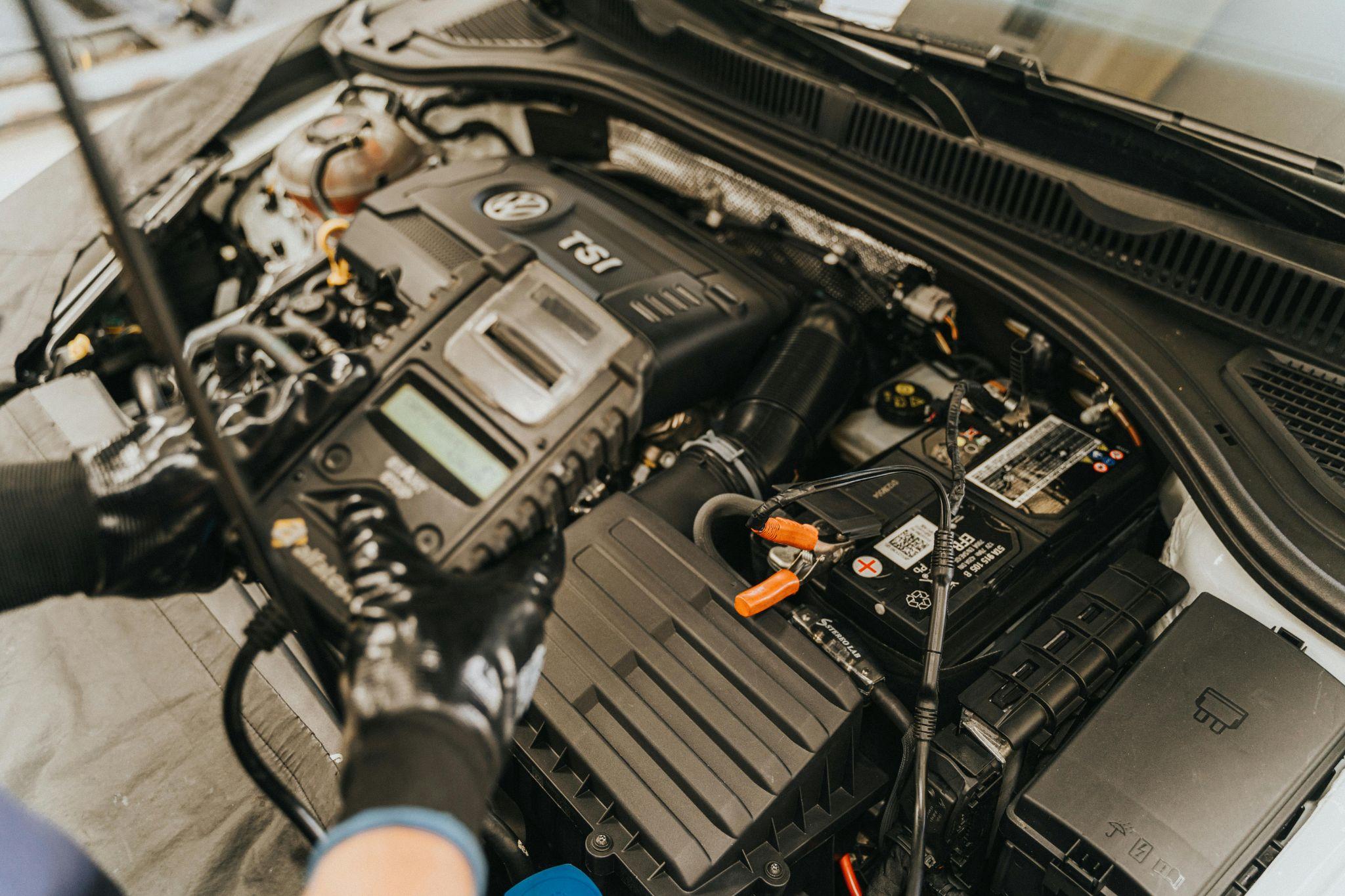
A dead battery or corroded terminals can leave you stranded. Regularly inspect battery terminals for corrosion, clean as needed, and ensure connections are secure. Replace batteries every 3–5 years or sooner if performance declines.
Seasonal Maintenance Considerations
- Winter: Check antifreeze levels, battery health, tire treads, and heating systems.
- Summer: Inspect air conditioning, radiator, and tire pressure regularly, as heat can affect performance.
Exterior and Interior Care
- Exterior: Regular washing and waxing protect the paint and prevent rust.
- Interior: Vacuum carpets, clean upholstery, and maintain dashboards to preserve the car’s resale value and comfort.
Professional Inspections
Even if you maintain your car diligently, annual professional inspections can identify issues you might miss. Mechanics can catch minor problems before they become major repairs, ensuring reliability and longevity.
Creating a Maintenance Schedule
To make car care manageable, create a personalized maintenance calendar:
- Note oil changes, tire rotations, and brake inspections.
- Track fluid replacements and filter changes.
- Set reminders for seasonal maintenance and professional inspections.
By adhering to these practices, drivers can ensure their vehicle remains safe, efficient, and reliable for years. Proper maintenance is not just about avoiding breakdowns — it’s a proactive investment in safety, performance, and financial security.
Key Takeaways
- ■Regularly change engine oil and filters.
- ■Monitor tire pressure and rotate tires periodically.
- ■Inspect brakes and replace worn components.
- ■Check and top up fluids (coolant, brake, transmission).
- ■Keep the battery clean and check connections.
- ■Replace windshield wipers and maintain lights.
- ■Schedule periodic professional inspections.
related articles

- by brennan-montgomery
- December 23, 2025
Car Subscription Services: Are They Worth It Compared to Traditional Ownership?

- by declan fairchild
- December 22, 2025
Step-by-Step Guide to Preparing Your Car for a Long Road Trip
- by nathan reed
- December 19, 2025
What Your Dashboard Warning Lights Really Mean: A Driver’s Guide
- by emma caldwell
- December 15, 2025