- by elliot-windham
- December 23, 2025
What Your Dashboard Warning Lights Really Mean: A Driver’s Guide
- by nathan reed,
- December 19, 2025
- Reading Time: 5-6 mins
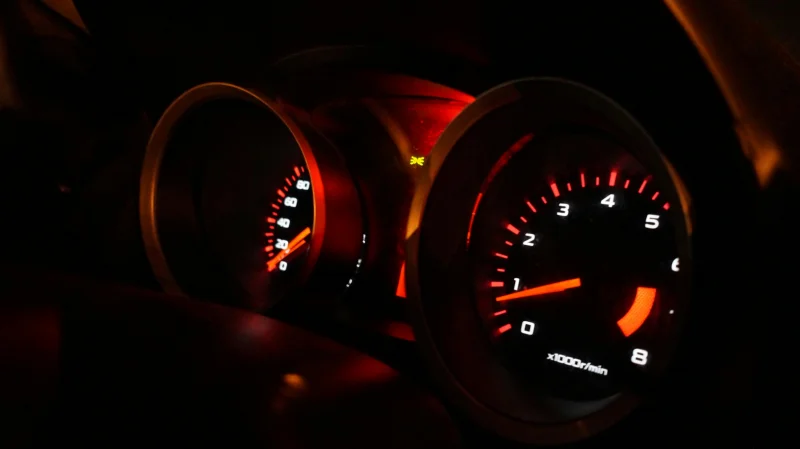
Modern vehicles come equipped with a variety of dashboard warning lights, each designed to alert drivers to potential issues. From a glowing check engine symbol to a blinking tire pressure warning, these indicators can seem confusing or even alarming at first glance. Understanding what these lights mean, and how to respond, is essential for vehicle safety and maintenance.
“Some men take good care of a car; others treat it like one of the family.”
-Evan Esar
Check Engine Light: One of the most recognized symbols, the check engine light, can signal a range of issues from minor to serious. It might indicate a loose gas cap, a faulty oxygen sensor, or an engine problem requiring professional attention. If the light is steady, it’s usually safe to continue driving cautiously and schedule a service appointment. However, if it’s flashing, you should stop driving and seek immediate assistance to prevent potential engine damage.
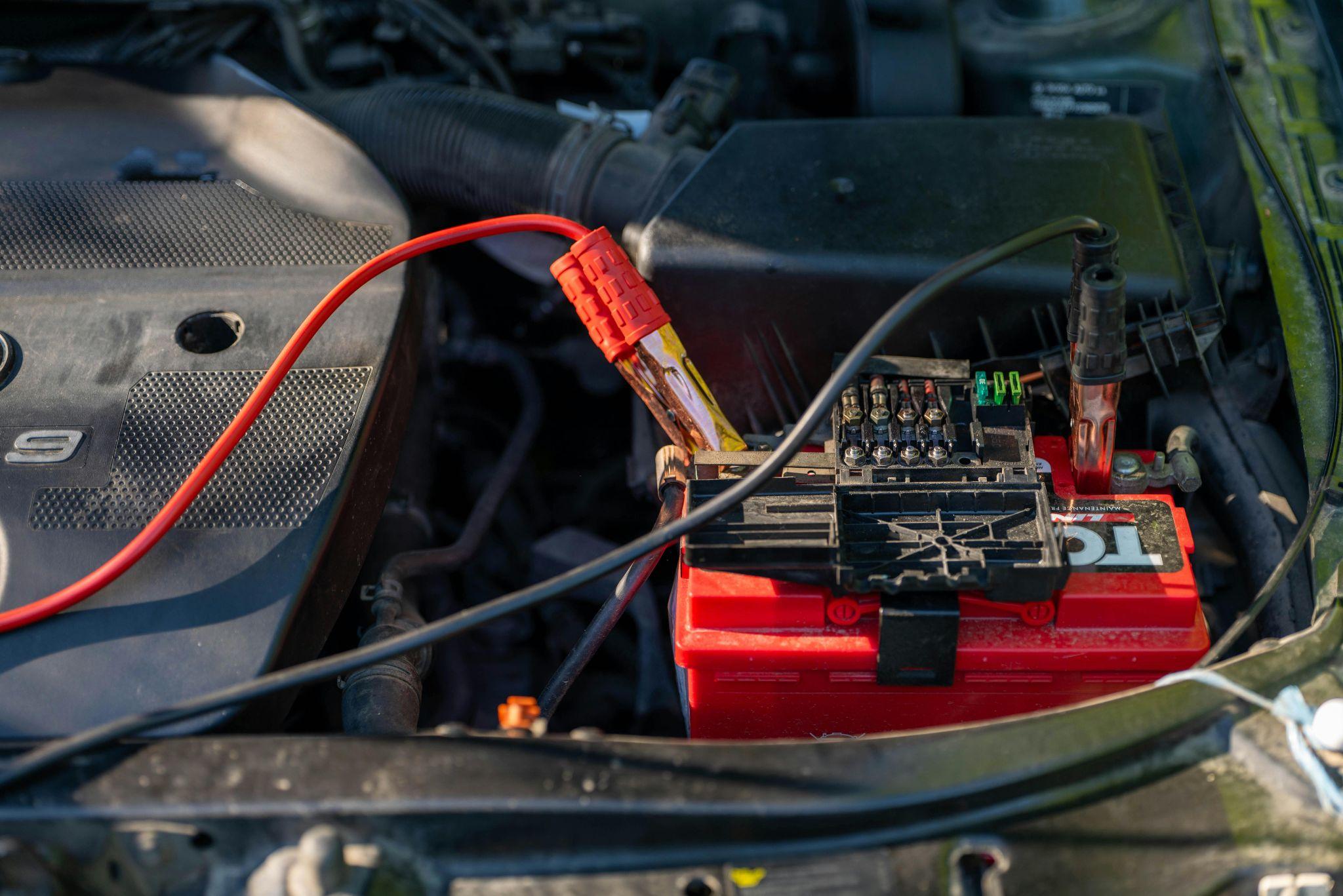
Battery or Charging System Light: Often represented by a battery icon, this light warns of issues with your vehicle’s electrical system. It may indicate a failing alternator, battery, or wiring problem. Continuing to drive with this light on could leave you stranded, so it’s important to check the battery and charging system promptly.
Oil Pressure Warning: A red oil can symbol signals low oil pressure, which could cause serious engine damage if ignored. Low oil levels, a malfunctioning oil pump, or a clogged filter are common causes. When this light illuminates, safely pull over and turn off the engine, checking the oil level and adding oil if necessary before continuing.
Tire Pressure Monitoring System (TPMS): This indicator alerts you when one or more tires are underinflated. Proper tire pressure is crucial for safety, fuel efficiency, and tire longevity. Check your tire pressure and adjust to the recommended levels as soon as possible. Driving on underinflated tires increases the risk of blowouts and uneven wear.
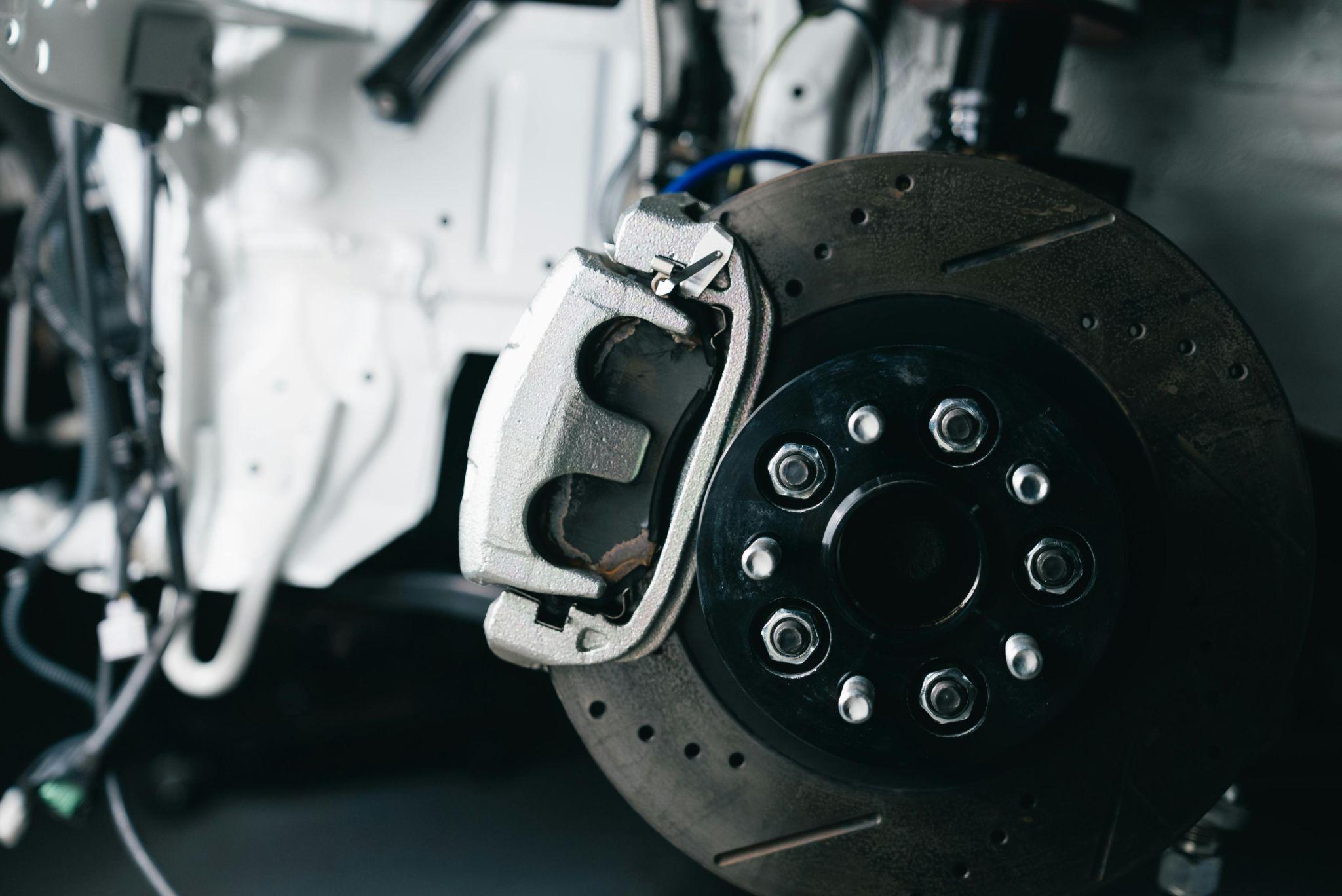
Brake System Warning: A red exclamation mark or the word “BRAKE” may indicate low brake fluid, worn brake pads, or a more serious hydraulic issue. If this light appears, check your brake fluid and consult a mechanic if necessary. Safe braking is critical, and ignoring this warning could result in dangerous situations on the road.
Coolant Temperature Warning: Often depicted as a thermometer submerged in liquid, this light warns that your engine is overheating. Continuing to drive while this light is on can cause catastrophic engine damage. Pull over safely, turn off the engine, and allow it to cool before checking coolant levels.
Other dashboard lights, including traction control, ABS, or airbag warnings, provide additional safety alerts. While some may not require immediate action, understanding their purpose helps prevent minor issues from becoming major problems. Familiarize yourself with your vehicle’s manual, as the location, color, and meaning of lights can vary between makes and models.
By paying attention to dashboard warning lights and responding appropriately, drivers can avoid costly repairs, maintain safety, and prolong the life of their vehicles. Routine maintenance, timely inspections, and prompt responses to alerts help ensure peace of mind behind the wheel.
In the end, your dashboard is more than just a cluster of symbols — it’s a communication tool between you and your vehicle. Knowing what each light means and how to act can save time, money, and even lives. Stay alert, stay informed, and let your car’s dashboard guide you toward safer driving.
Key Takeaways
- ■Check engine light: Indicates potential engine or emissions issues; get a diagnostic check.
- ■Battery/charging alert: Signals a problem with the battery or alternator; inspect promptly.
- ■Oil pressure warning: Low oil pressure can damage the engine; check oil level immediately.
- ■Tire pressure monitoring: Alerts you to underinflated tires; inflate to recommended levels.
- ■Brake system warning: Could indicate low brake fluid or worn pads; address immediately.
related articles
- by brennan-montgomery
- December 23, 2025
Car Subscription Services: Are They Worth It Compared to Traditional Ownership?

- by declan fairchild
- December 22, 2025
Step-by-Step Guide to Preparing Your Car for a Long Road Trip

- by sebastian rowe
- December 18, 2025
Essential Car Maintenance Tips to Extend Vehicle Life
- by emma caldwell
- December 15, 2025