- by elliot-windham
- December 23, 2025
Car Subscription Services: Are They Worth It Compared to Traditional Ownership?
- by brennan-montgomery,
- December 23, 2025
- Reading Time: 5-6 mins
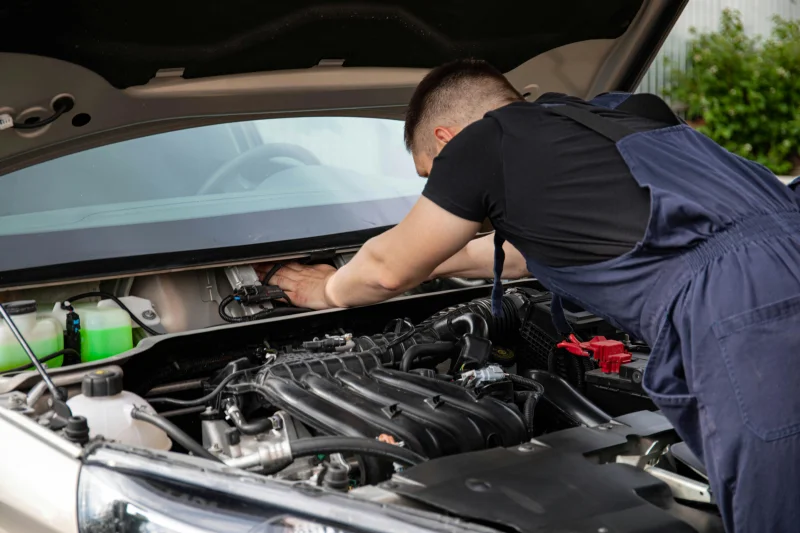
The automotive industry is evolving fast, and one of the most notable innovations in recent years is the car subscription model. Instead of committing to long-term ownership or lease agreements, drivers can now subscribe to a vehicle—much like a streaming service. These flexible arrangements cover everything from maintenance to insurance, offering convenience and freedom that appeal especially to urban professionals and frequent travelers.
“The measure of intelligence is the ability to change.” — Albert Einstein
But does that flexibility truly make car subscriptions worth it? Let’s explore how they stack up against traditional car ownership.
What Is a Car Subscription Service?
A car subscription service allows users to pay a monthly fee for access to a vehicle (or even a selection of vehicles). This fee typically includes insurance, maintenance, roadside assistance, and registration. Major automakers like Volvo, Porsche, and Hyundai, as well as startups like Finn and Care by Volvo, have entered this space, catering to different budgets and lifestyles.
Unlike a lease, which locks you in for several years, subscriptions can be month-to-month or short-term, giving drivers the ability to switch cars based on need—perhaps a compact car during the week and an SUV for a road trip.

The Pros: Why Drivers Love Subscriptions
The biggest advantage of a car subscription is flexibility. You can change vehicles, pause your plan, or cancel with minimal hassle. This appeals to people who move often, don’t drive daily, or enjoy variety without the burden of ownership.
Subscriptions also offer simplicity. With one predictable payment covering almost all car-related expenses, there’s no need to juggle separate insurance, registration, or maintenance bills. This transparency can be especially helpful for budgeting and financial planning.
For those who value new technology, subscriptions are a great way to always have access to the latest models. As cars evolve with new infotainment systems, electric options, and driver-assistance features, subscribers can stay up-to-date without worrying about depreciation or resale.
The Cons: What to Watch Out For
The main drawback is cost. Subscriptions tend to be more expensive monthly than buying or leasing a similar car. You’re paying for convenience and flexibility, not long-term value. Over time, owning a car can be far more economical, especially for drivers who plan to keep their vehicles for several years.
Another factor is availability. Car subscription programs are still limited to certain cities and regions, and choices might be restricted based on inventory. Additionally, most subscriptions have mileage caps, which could lead to extra charges for frequent drivers.
Ownership Still Has Its Perks
Traditional ownership remains appealing for those who drive often, prefer control over customization, or view their car as a long-term asset. While it comes with responsibilities like maintenance and insurance, it also offers equity—something subscriptions can’t provide. Once your loan is paid off, you have a vehicle with ongoing utility and no recurring payment.

So, Are They Worth It?
Car subscription services make sense for people who value convenience, flexibility, and hassle-free driving, particularly in cities where parking and maintenance can be stressful. However, for budget-conscious or long-term drivers, ownership or leasing often provides more value over time.
As the automotive world continues to shift toward mobility-as-a-service, car subscriptions are carving out their niche among modern consumers who want flexibility without commitment. The right choice ultimately depends on your lifestyle, driving habits, and financial goals.
Key Takeaways
- ■Routine maintenance helps prevent major mechanical failures
- ■Timely oil changes improve engine performance and longevity
- ■Proper tire care enhances safety and fuel efficiency
- ■Monitoring fluids and warning lights avoids costly repairs
- ■Responsible driving habits reduce wear and tear on vehicle components
related articles


- by declan fairchild
- December 22, 2025
Step-by-Step Guide to Preparing Your Car for a Long Road Trip

- by nathan reed
- December 19, 2025
What Your Dashboard Warning Lights Really Mean: A Driver’s Guide

- by sebastian rowe
- December 18, 2025
Essential Car Maintenance Tips to Extend Vehicle Life

- by emma caldwell
- December 15, 2025