- by jules collier
- January 30, 2026
Cooking for Gut Health: Probiotic Foods and Simple Fermentation at Home
- by rustin lees,
- January 24, 2026
- Reading Time: 5-6 mins
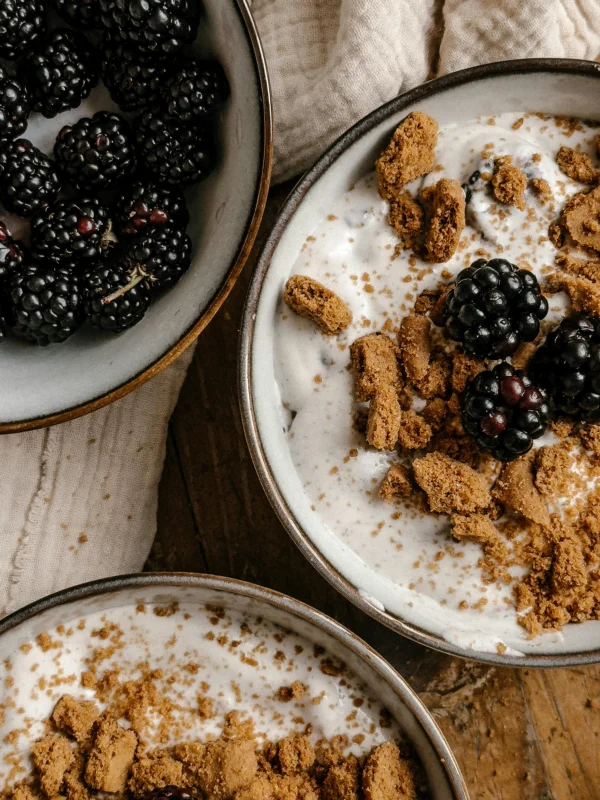
A healthy gut is at the heart of overall wellness, influencing digestion, immunity, mood, and energy levels. One of the most effective ways to nurture your digestive system is by incorporating probiotic-rich foods into your diet. Probiotics are live microorganisms that promote a balanced gut microbiome, improving nutrient absorption, reducing bloating, and supporting immune health.
“Let food be thy medicine and medicine be thy food.” — Hippocrates
Cooking for gut health doesn’t need to be complicated. With a few simple ingredients and techniques, you can create meals that are both delicious and beneficial for your digestive system. Whether you’re adding yogurt to your breakfast or experimenting with home fermentation, each small step contributes to a healthier gut.
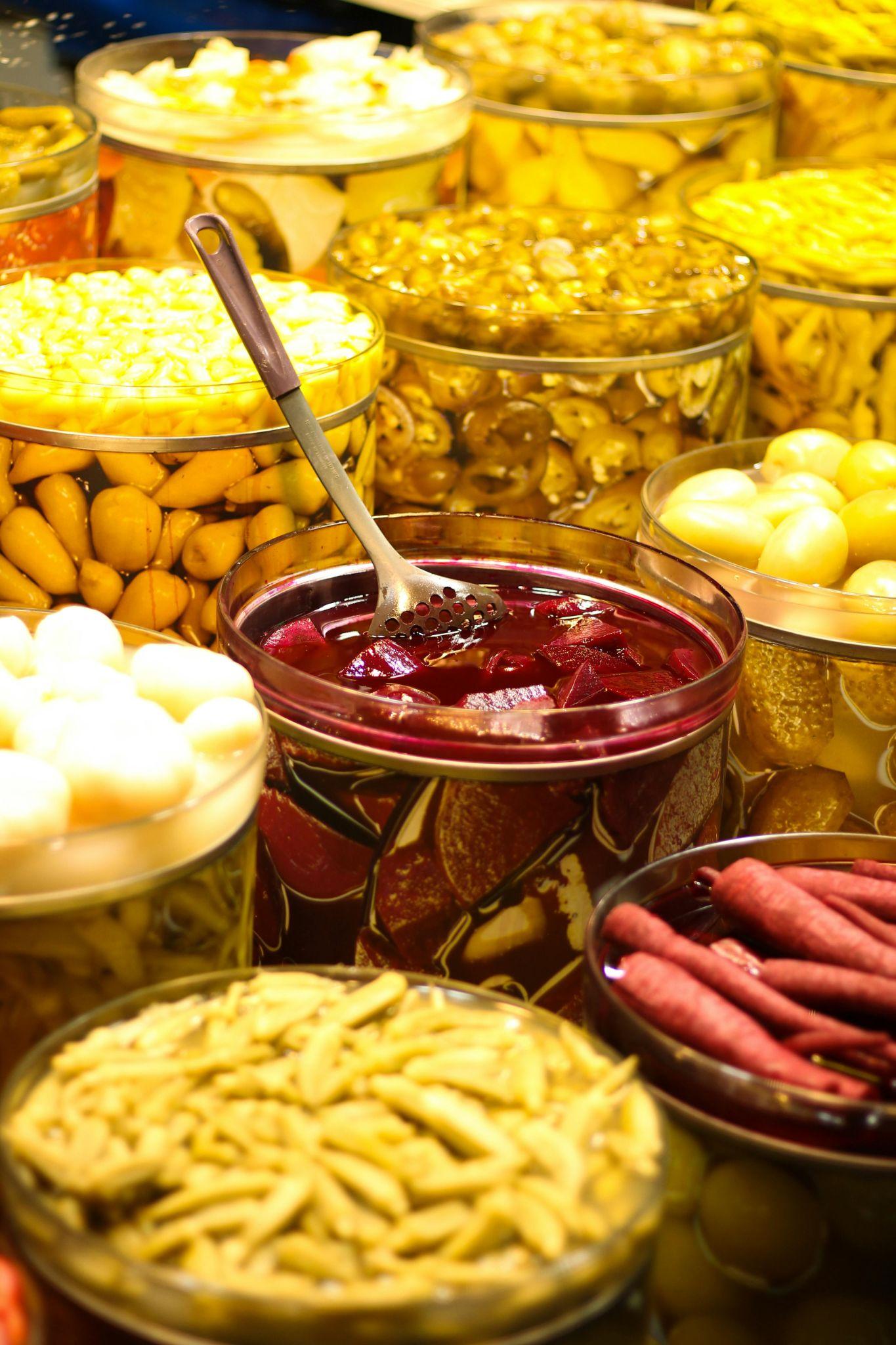
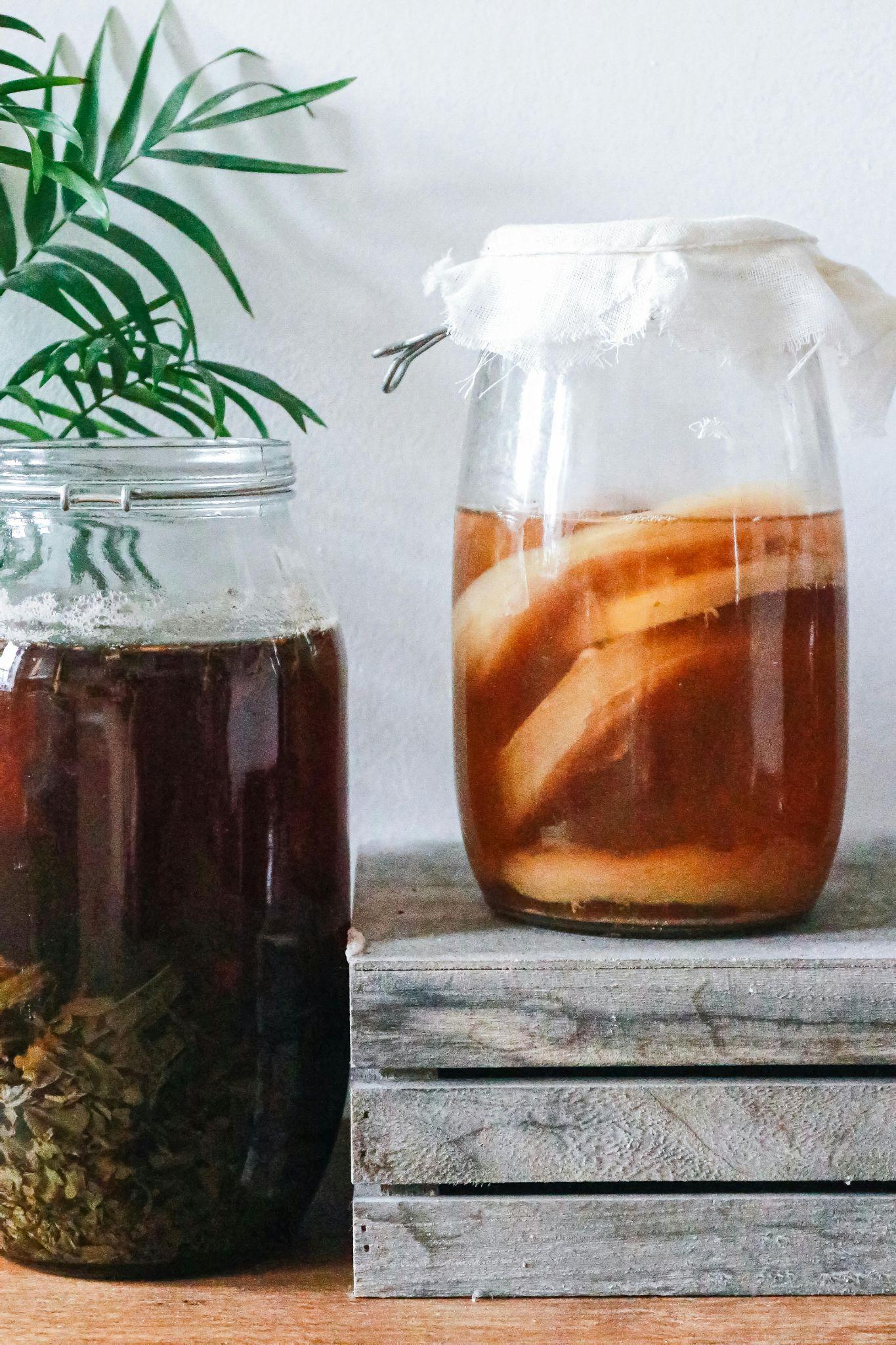
Fermentation, in particular, is a practice that has been used for centuries to preserve food while enhancing its flavor and nutritional profile. When natural bacteria convert sugars in foods into acids, probiotics are formed, giving your gut the friendly bacteria it craves. Making your own fermented foods at home is simpler than it sounds. For example, sauerkraut can be prepared with just shredded cabbage and salt. By massaging the cabbage with salt and letting it sit in a tightly packed jar for several days, you create a tangy, flavorful addition to salads or sandwiches. Similarly, kimchi — a staple in Korean cuisine — combines Napa cabbage, garlic, ginger, chili flakes, and salt. When left to ferment for a few days, it develops a complex, spicy flavor while delivering a powerful dose of probiotics. Even beverages like kombucha, made from sweetened tea and a SCOBY (symbiotic culture of bacteria and yeast), can be brewed at home to produce a refreshing, gut-friendly drink.
Incorporating these probiotic foods into your everyday meals can be both easy and enjoyable. Start your day with a bowl of yogurt or kefir topped with fresh fruits and nuts. For lunch, add a side of kimchi or sauerkraut to a salad or sandwich, giving your meal both flavor and health benefits. Snack on probiotic beverages like kombucha or enjoy miso soup in the evening. Pairing these foods with prebiotics — naturally occurring fibers in foods such as garlic, onions, bananas, and oats — further nourishes your gut bacteria, helping them thrive and support your digestive health.
Safety is key when fermenting foods at home. Using clean utensils and jars, monitoring the fermentation process, and storing foods appropriately can prevent spoilage while maximizing probiotic benefits. Starting with small batches allows you to experiment with flavors and textures without waste. With practice, you can develop a pantry full of flavorful, gut-friendly ingredients ready to enhance your meals.
Supporting your gut health goes beyond digestion. A balanced gut microbiome has been linked to improved mood, better skin, stronger immunity, and increased energy levels. By prioritizing probiotic foods and simple fermentation practices, you’re not only improving your digestive health but also enhancing your overall well-being.
Incorporating these practices doesn’t require a complete kitchen overhaul. Simple changes, such as adding a daily yogurt bowl, a side of kimchi, or a glass of homemade kombucha, can make a noticeable difference over time. Cooking for gut health is about consistency and enjoyment, turning everyday meals into opportunities for wellness. By embracing probiotics and home fermentation, you can create nourishing, flavorful dishes that support a happier, healthier gut — and a healthier you.
Key Takeaways
- ■Ferment at home — sauerkraut needs only cabbage and salt; kimchi adds garlic, ginger, and chili
- ■Incorporate daily probiotics — yogurt, kefir, kombucha, miso soup support digestion and immunity
- ■Pair with prebiotics — garlic, onions, bananas, and oats feed beneficial gut bacteria
related articles

- by hazel harris
- January 30, 2026
The Art of Meal Prepping: Save Time and Eat Healthier All Week
- by chloe warlow
- January 29, 2026
Energizing Breakfast Ideas for a Powerful Morning Start
- by edmund hale
- January 28, 2026
Essential Kitchen Safety and Food Storage Practices
- by chloe walker
- January 28, 2026