- by jules collier
- January 30, 2026
Essential Kitchen Safety and Food Storage Practices
- by edmund hale,
- January 28, 2026
- Reading Time: 4-5 mins
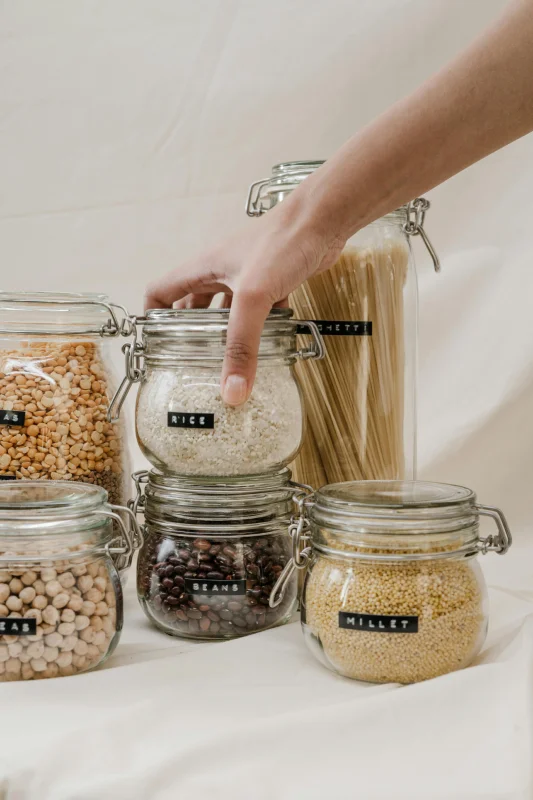
Cooking at home offers control over nutrition, portion sizes, and ingredient quality, but it also comes with responsibilities. Safe food handling and storage are critical for preventing foodborne illnesses, extending ingredient life, and maintaining overall health.
“Safety isn’t expensive; it’s priceless.” — Unknown
Key Principles of Kitchen Safety
- Cleanliness:
Wash hands, utensils, and surfaces frequently. Bacteria like Salmonella and E. coli can contaminate food and cause serious illness. - Separate Raw and Cooked Foods:
Avoid cross-contamination by using separate cutting boards for raw meats and vegetables. Store raw protein on the bottom shelf of the refrigerator to prevent drips. - Cook to Safe Temperatures:
Use a food thermometer to ensure meat, poultry, and seafood reach safe internal temperatures. For example, chicken should reach 165°F, while ground beef requires 160°F.
Smart Food Storage Practices
- Refrigeration: Keep perishable items at or below 40°F.
- Freezing: Freeze leftovers within 2 hours of cooking. Use airtight containers or vacuum-sealed bags for longer shelf life.
- Labeling: Mark dates on leftovers to ensure timely consumption.
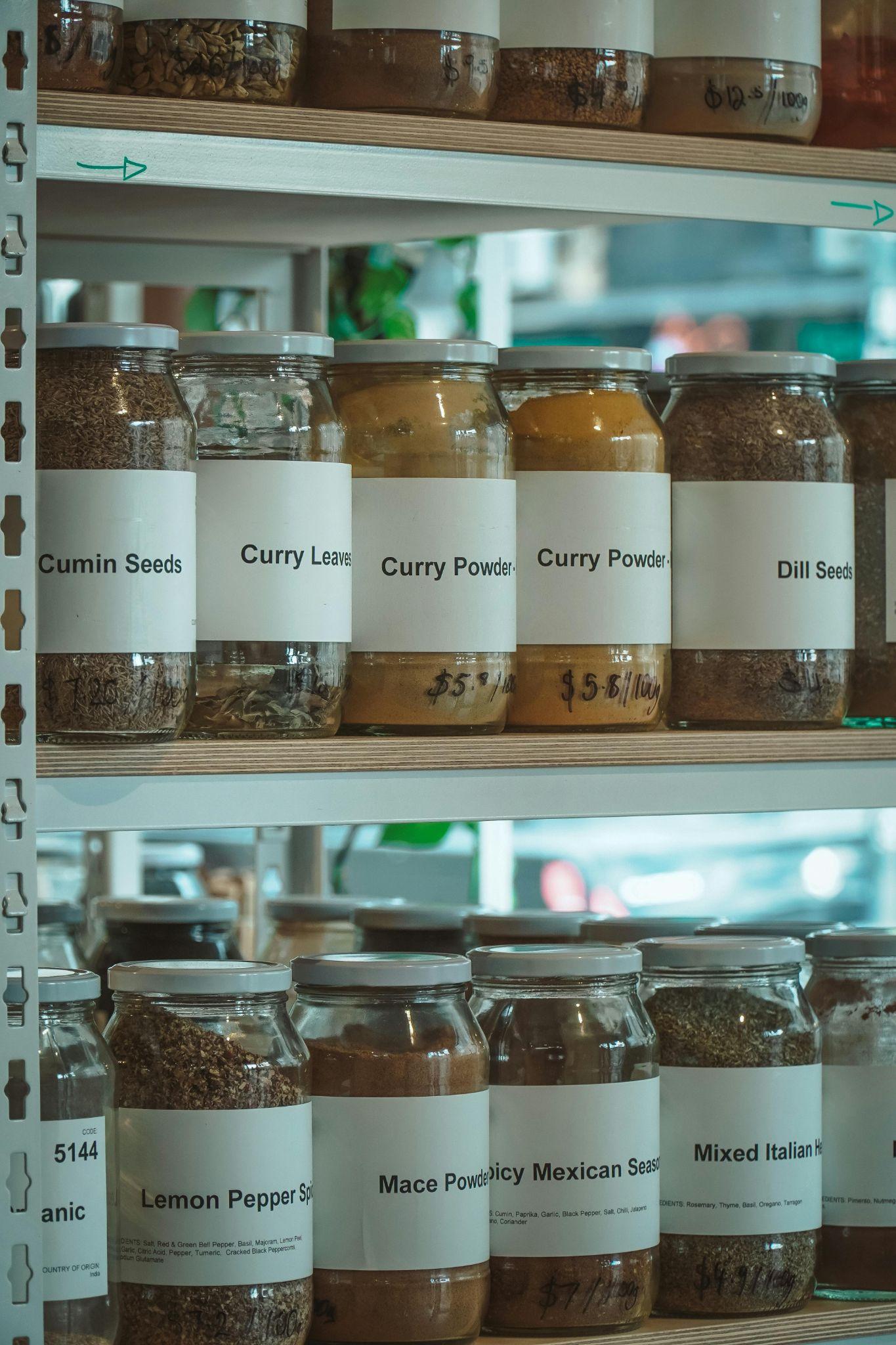
- Dry Storage: Store grains, pasta, and canned goods in cool, dark areas to prevent spoilage.
Common Mistakes to Avoid
- Leaving food at room temperature for extended periods
- Thawing meat at counter instead of refrigerator or cold water
- Using damaged or expired containers for storage
- Ignoring “best by” and “use by” dates
The Bottom Line
By following proper kitchen safety and food storage practices, you protect your health and reduce food waste. Small steps — like washing hands, separating raw foods, and labeling leftovers — make home cooking safer, more efficient, and stress-free.
Key Takeaways
- ■Prevent cross-contamination — use separate cutting boards for raw meat and vegetables
- ■Store properly — refrigerate perishables below 40°F and freeze leftovers within 2 hours
- ■Use a food thermometer — chicken at 165°F, ground beef at 160°F for safe consumption
related articles
- by hazel harris
- January 30, 2026
The Art of Meal Prepping: Save Time and Eat Healthier All Week
- by chloe warlow
- January 29, 2026
Energizing Breakfast Ideas for a Powerful Morning Start
- by chloe walker
- January 28, 2026
The Art of Meal Prepping: Save Time and Eat Healthier All Week
- by geal white
- January 25, 2026