- by jules collier
- January 30, 2026
The Art of Meal Prepping: Save Time and Eat Healthier All Week
- by chloe walker,
- January 28, 2026
- Reading Time: 5-6 mins
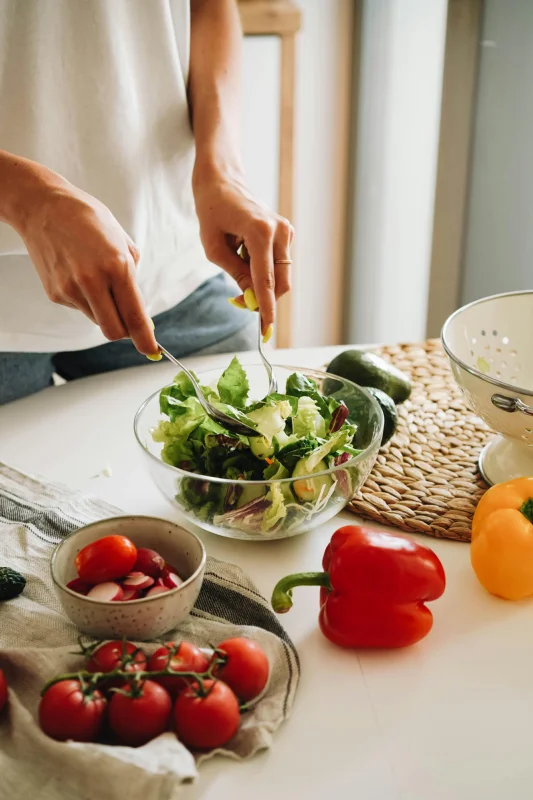
Meal prepping has become a cornerstone of modern, healthy living. The idea is simple: dedicate a few hours each week to plan, prepare, and organize meals so that nutritious food is always ready when you need it. Beyond saving time, meal prepping reduces stress, eliminates last-minute unhealthy choices, and encourages consistent, balanced eating.
“By failing to prepare, you are preparing to fail.” — Benjamin Franklin
The beauty of meal prepping is that it can be tailored to any lifestyle. Whether you’re a busy professional, a parent, or someone simply looking to eat healthier, having ready-to-go meals ensures that nourishing food is always within reach. Start by deciding on your weekly goals. Do you want to eat more vegetables, incorporate more protein, or reduce processed foods? Once you know your focus, you can create a plan that supports your health and schedule.
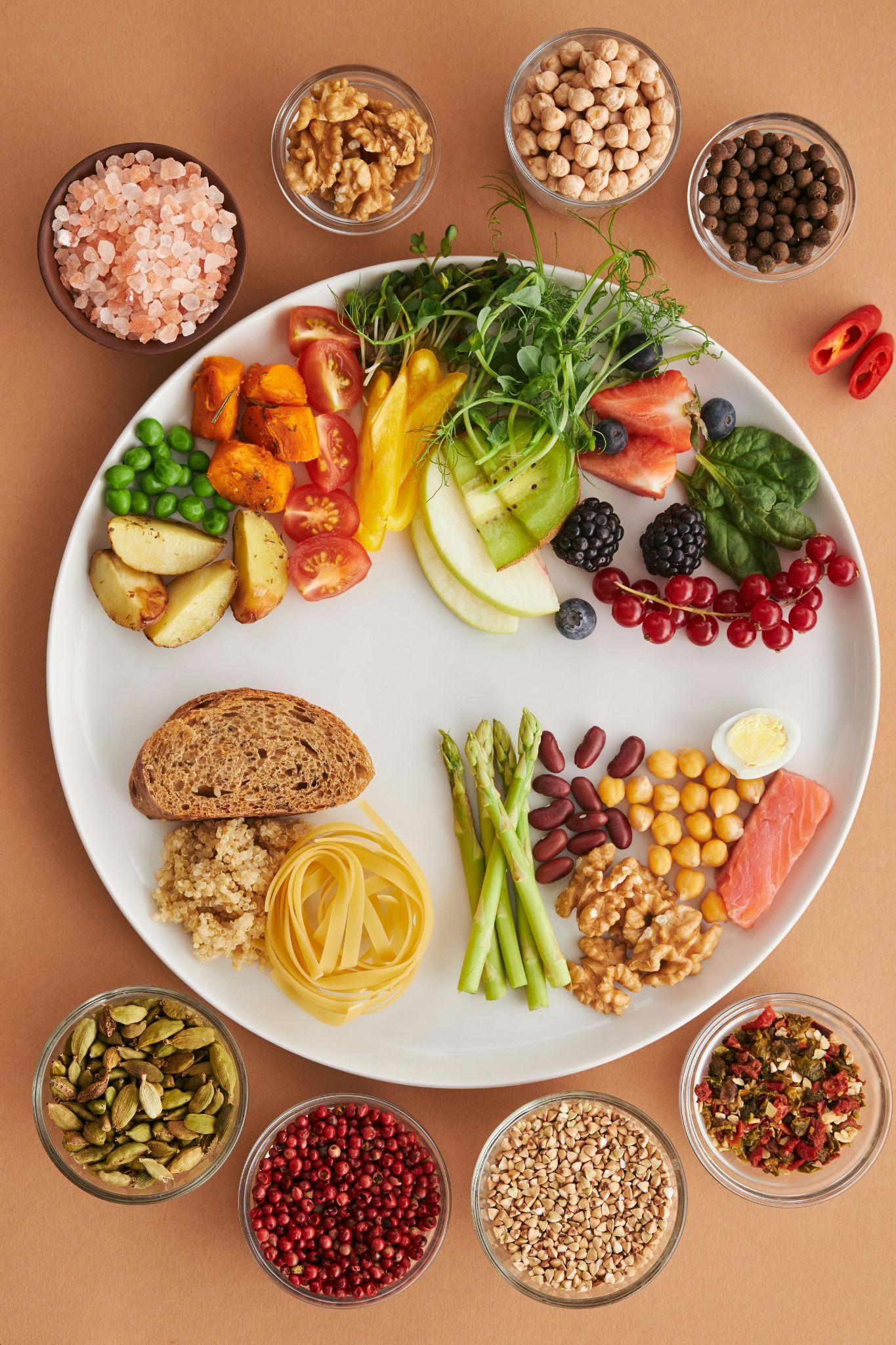
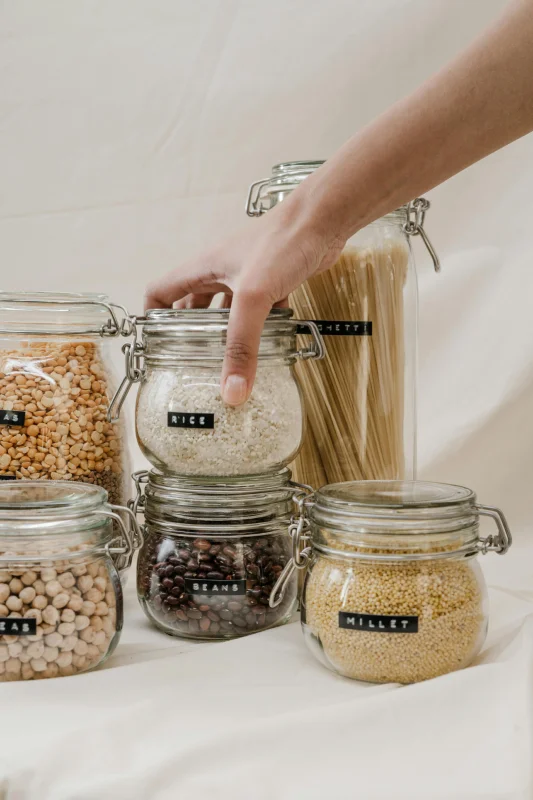
Batch cooking is at the heart of effective meal prepping. Preparing grains like quinoa, rice, or oats in bulk saves time and forms the base for multiple meals. Roasting vegetables, cooking lean proteins, or even making homemade sauces and dressings in advance allows you to assemble meals quickly throughout the week. Portioning meals into containers ensures that every lunch or dinner is balanced, convenient, and ready to grab.
Meal prepping also encourages creativity and variety. You don’t need to eat the same thing every day — simply prep versatile ingredients that can be combined in different ways. For example, roasted chicken, sautéed vegetables, and grains can become a stir-fry one day, a salad the next, or a hearty wrap for lunch. By planning different combinations, you avoid monotony and keep your taste buds engaged while still saving time.
In addition to time savings and nutrition, meal prepping supports mental well-being. Having meals prepared in advance reduces daily decision fatigue, allowing you to focus on work, family, or self-care without worrying about what to cook. It also helps you stick to dietary goals, whether that’s weight management, balanced nutrition, or simply eating more whole foods.
A successful meal prep routine starts with organization. Make a shopping list, schedule your prep day, and ensure you have proper storage containers. Clear labeling and arranging meals in the fridge or freezer keeps everything accessible and minimizes waste. Over time, you’ll find a rhythm that works for you, making meal prepping a natural and sustainable part of your weekly routine.
Meal prepping doesn’t have to be complicated or restrictive. It’s about creating a system that saves time, reduces stress, and keeps you nourished. By dedicating a few hours each week to thoughtful preparation, you set yourself up for healthier choices and a smoother, more productive week.
In the end, the art of meal prepping is not just about the meals themselves — it’s about creating space in your life for health, ease, and mindful living. With a little planning and preparation, you can enjoy the confidence and satisfaction of knowing that healthy, delicious food is always ready when you need it.
Key Takeaways
- ■Batch cook grains and proteins — quinoa, rice, and roasted chicken form versatile meal bases
- ■Create variety from prep — same ingredients can become stir-fry, salad, or wraps throughout the week
- ■Reduce decision fatigue — prepared meals eliminate daily stress and support dietary goals
related articles
- by hazel harris
- January 30, 2026
The Art of Meal Prepping: Save Time and Eat Healthier All Week
- by chloe warlow
- January 29, 2026
Energizing Breakfast Ideas for a Powerful Morning Start
- by edmund hale
- January 28, 2026
Essential Kitchen Safety and Food Storage Practices
- by geal white
- January 25, 2026