- by jules collier
- January 30, 2026
The Rise of Plant-Based Meat: How to Cook and Enjoy Next-Gen Alternatives
- by geal white,
- January 25, 2026
- Reading Time: 5-6 mins
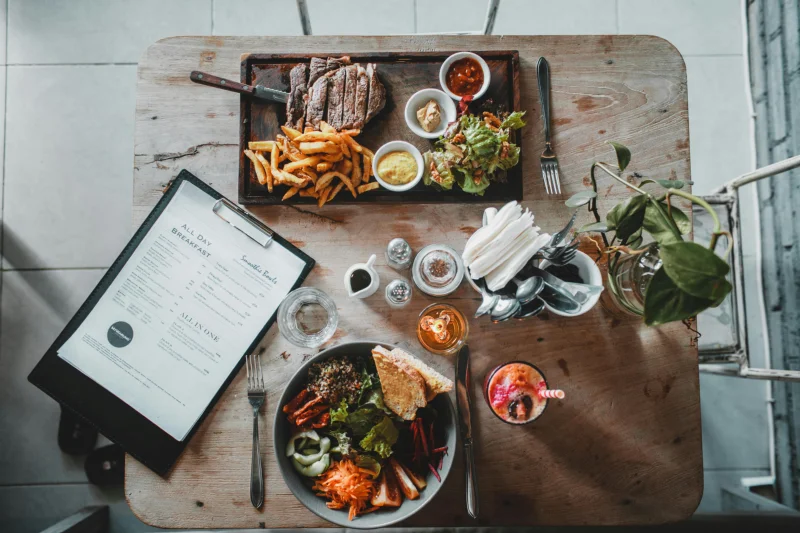
The culinary world is experiencing a revolution with the rise of plant-based meat. These innovative alternatives are not only designed to taste like traditional meat but are also crafted to provide similar protein content while promoting sustainability. As more people embrace plant-forward diets, cooking and enjoying plant-based meat has become both accessible and exciting.
“The future of food is plant-based — not just for our health, but for the health of the planet.” — Unknown
Plant-based meats come in many forms: burgers, sausages, ground crumbles, and even deli slices. Made from ingredients like soy, pea protein, mushrooms, and legumes, they are designed to replicate the flavor, texture, and appearance of conventional meat. Beyond replicating meat, these alternatives often include vitamins, minerals, and fiber, making them a nutritious addition to any diet.
Cooking plant-based meat is easier than many people think. Start with simple pan-searing techniques for burgers or sausages. Just like traditional meat, preheating your pan and adding a small amount of oil can create a satisfying crust. Ground plant-based crumbles can be sautéed with onions, garlic, and spices to make flavorful tacos, pasta sauces, or chili. The key is to season generously — these products absorb flavors beautifully, allowing you to customize every dish to your taste.

Grilling is another excellent option. Many plant-based burgers and sausages hold up well on a grill, developing a smoky char that enhances their flavor. Baking or roasting is also versatile for meatballs, meatloaf, or breaded alternatives, offering a healthier cooking option with minimal added fats. Experimenting with marinades, spice blends, and sauces can elevate plant-based meat dishes to gourmet levels.
Beyond cooking, embracing plant-based meat is part of a broader lifestyle choice that supports sustainability. Producing plant-based proteins requires fewer resources, including water and land, and generates fewer greenhouse gas emissions than conventional meat production. This makes it a practical choice for those aiming to reduce their environmental footprint while still enjoying hearty, satisfying meals.
Integrating plant-based meat into your weekly meals doesn’t mean giving up your favorite dishes. Burgers, stir-fries, tacos, pasta, and even BBQ plates can all be recreated with plant-based alternatives. The versatility of these products allows home cooks to experiment and gradually introduce plant-forward options to family and friends. Even meat lovers often find themselves enjoying these next-generation foods thanks to their flavor, texture, and ease of preparation.
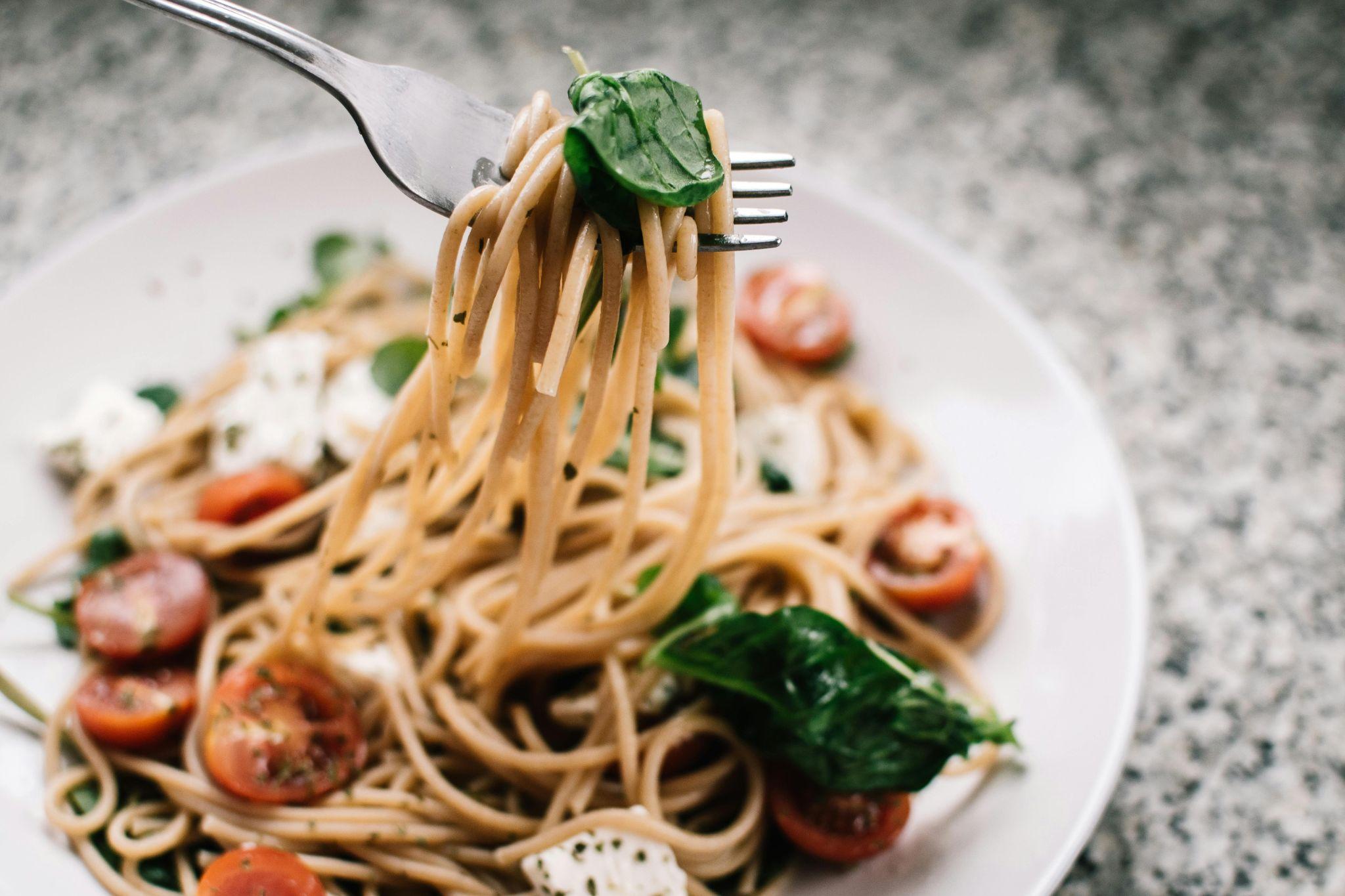
As the market continues to grow, so do the innovations in plant-based meat. Some newer options are designed to mimic the sizzle, juiciness, and fat content of traditional cuts even more closely, making the transition to plant-forward meals seamless. Whether you are motivated by health, ethics, or sustainability, exploring plant-based meat provides an opportunity to enjoy familiar flavors while contributing to a more sustainable food system.
Incorporating plant-based meat into your kitchen routine is a delicious, eco-conscious, and protein-packed choice. By learning simple cooking techniques, experimenting with flavors, and embracing these next-gen alternatives, you can create meals that satisfy the palate, nourish the body, and make a positive impact on the planet. The rise of plant-based meat is not just a trend — it’s a culinary evolution shaping the way we eat today and in the future.
Key Takeaways
- ■Cook like regular meat — pan-sear, grill, or roast with oil for a satisfying crust and char
- ■Season generously — plant-based proteins absorb flavors beautifully for customizable dishes
- ■Support sustainability — plant proteins require fewer resources and generate less emissions
related articles
- by hazel harris
- January 30, 2026
The Art of Meal Prepping: Save Time and Eat Healthier All Week

- by chloe warlow
- January 29, 2026
Energizing Breakfast Ideas for a Powerful Morning Start
- by edmund hale
- January 28, 2026
Essential Kitchen Safety and Food Storage Practices
- by chloe walker
- January 28, 2026