- by jules collier
- January 30, 2026
Passport to the Pantry: Why Global Cuisines Are a Storybook of Culture
- by alfred grant,
- December 15, 2025
- Reading Time: 3-4 mins
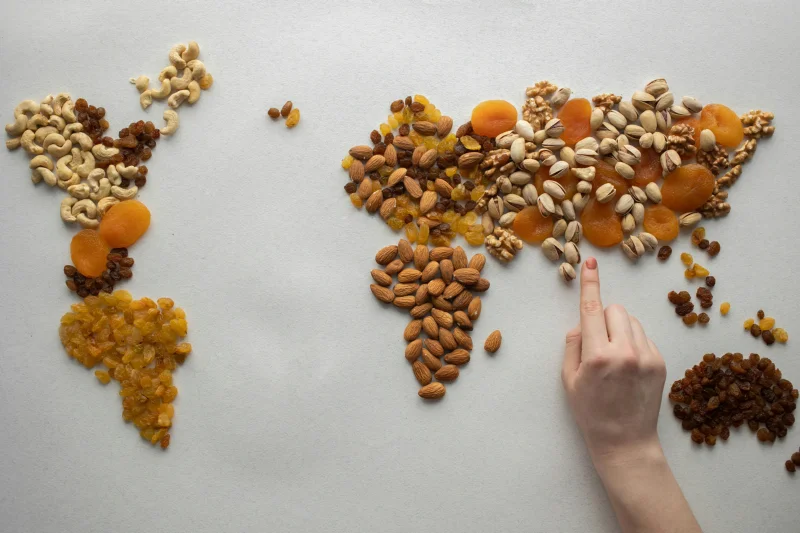
There’s a common saying that food is the ultimate language of love, but I think it’s also the ultimate language of history. Every time you try a new dish from a different corner of the globe, you’re not just feeding your body; you’re engaging in a cultural exchange that spans centuries.
Think about it: what we eat is a direct result of who settled where, what resources were available, and which empires or traders passed through. Exploring global cuisines isn't just about finding your next favorite takeout spot; it's a vital, delicious journey into anthropology.
The Geography on Your Plate
The biggest influence on any cuisine is its geography. The staples tell the whole story.
In East Asia, the prominence of rice is a nod to centuries of agriculture and climate suitable for its cultivation. Move to the Mediterranean, and the abundance of wheat, olives, and grapes reflects a landscape perfectly suited for simple, fresh ingredients—it's a cuisine built around the bounty of the sun. The simplicity of authentic Italian cooking, for example, is a direct result of prioritizing the flavor of high-quality local produce, olive oil, and herbs like basil.
Meanwhile, in Mexico, the foundational ingredients of maize, beans, and the incredible variety of chili peppers are a testament to the indigenous civilizations that first domesticated them. You can't separate a good taco from the thousands of years of Mesoamerican culture that created its core components.
Healthy eating is not about strict limitations, staying unrealistically thin, or depriving yourself of the foods you love. It’s about feeling great, having more energy, and improving your health.” — Michelle Obama
The Echoes of Trade and Travel
Food is also a living map of global migration. Look closely, and you'll find spices, techniques, and ingredients that traveled across oceans and continents.
Consider Indian cuisine. Its complex layering of aromatic spices—cardamom, turmeric, cumin—didn't just appear overnight. This complexity is an echo of its central role on ancient trade routes. Similarly, the fiery nature of many Thai curries or the smoky heat in Ethiopian food is thanks to the humble chili pepper, which originated in the Americas and traveled to Asia and Africa via the Columbian Exchange. Within a few generations, this single fruit fundamentally transformed global cooking.
Even more recently, global migration has given us the fun, delicious mash-ups we call fusion cuisine. The quintessential Vietnamese bánh mì sandwich, for instance, perfectly blends crispy, light French colonial baguettes with indigenous Vietnamese pork, pâté, and fresh cilantro. It's a culinary artifact of two cultures colliding. The same goes for the incredible Nikkei cuisine of Peru, which combines the delicate precision of Japanese knife skills with the vibrant, zesty flavors of Peruvian ají and citrus.
More Than Just Sustenance
Ultimately, food is culture made edible. Whether it's the ritual of a traditional Japanese tea ceremony, the family-style sharing of a Spanish paella, or the communal, spice-laden meals of India, the way we eat reflects our social values, history, and community bonds.
So, the next time you sit down to try a new global dish, take a moment to savor more than just the taste. You’re not just eating a meal; you're reading a chapter of global history. Isn't that the best thing.
—------------------
Key Takeaways
- ■Geography shapes cuisine — rice dominates East Asia, olive oil defines Mediterranean cooking
- ■Trade routes transformed flavors — chili peppers from the Americas revolutionized Asian and African dishes
- ■Fusion tells history — Vietnamese banh mi and Peruvian Nikkei cuisine reflect cultural collisions
related articles
- by hazel harris
- January 30, 2026
The Art of Meal Prepping: Save Time and Eat Healthier All Week
- by chloe warlow
- January 29, 2026
Energizing Breakfast Ideas for a Powerful Morning Start
- by edmund hale
- January 28, 2026
Essential Kitchen Safety and Food Storage Practices
- by chloe walker
- January 28, 2026