- by elliot-windham
- December 23, 2025
Electric Cars vs. Gas Cars: Which One Should You Buy in 2025?
- by jason mitchell,
- December 6, 2025
- Reading Time: 5-6 mins
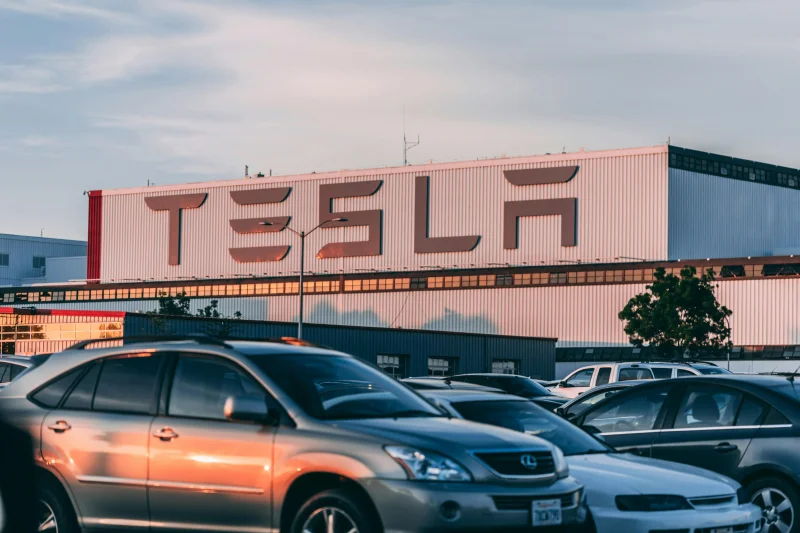
Choosing your next vehicle is more than a practical decision — it’s a statement about lifestyle, values, and long-term investment. As technology evolves, the choice between electric vehicles (EVs) and traditional gas-powered cars has become both exciting and nuanced. Here’s a sophisticated look at what 2025 offers so you can make a decision that aligns with your priorities.
1. Performance and Driving Experience
Electric cars deliver instant torque, smooth acceleration, and near-silent operation, creating a modern, refined driving experience. Gas cars, on the other hand, offer familiar handling, longer range, and versatile refueling, appealing to traditionalists who value consistent performance across long distances.
2. Cost Considerations
Upfront costs for EVs are typically higher, but tax incentives, lower fuel costs, and reduced maintenance can make them cost-effective over time. Gas vehicles often come with lower purchase prices, but fluctuating fuel costs and higher long-term maintenance may offset initial savings.
3. Maintenance and Longevity
Electric cars have fewer moving parts, meaning reduced maintenance and fewer mechanical issues. Gas cars require regular oil changes, exhaust system upkeep, and more frequent engine servicing. For those who value convenience and minimal upkeep, EVs present a compelling advantage.

4. Environmental Impact
EVs produce zero tailpipe emissions, supporting a cleaner, sustainable future. Gas cars contribute to greenhouse gas emissions but may still appeal to buyers seeking familiar technology or longer-range travel without charging considerations. Choosing an EV is both an ecological and forward-thinking lifestyle statement.
5. Charging and Refueling
EVs require charging infrastructure, which is expanding rapidly in 2025, with fast-charging stations becoming more common. Gas vehicles refuel in minutes almost anywhere, offering ease and flexibility for road trips or remote travel. Consider your daily commute, travel habits, and access to charging when making your choice.
6. Technological Features
Electric vehicles often include advanced driver-assist features, connected apps, and over-the-air updates, emphasizing innovation and convenience. Gas vehicles can also include modern tech, but EVs lead in smart, integrated, and futuristic features that enhance the driving lifestyle.
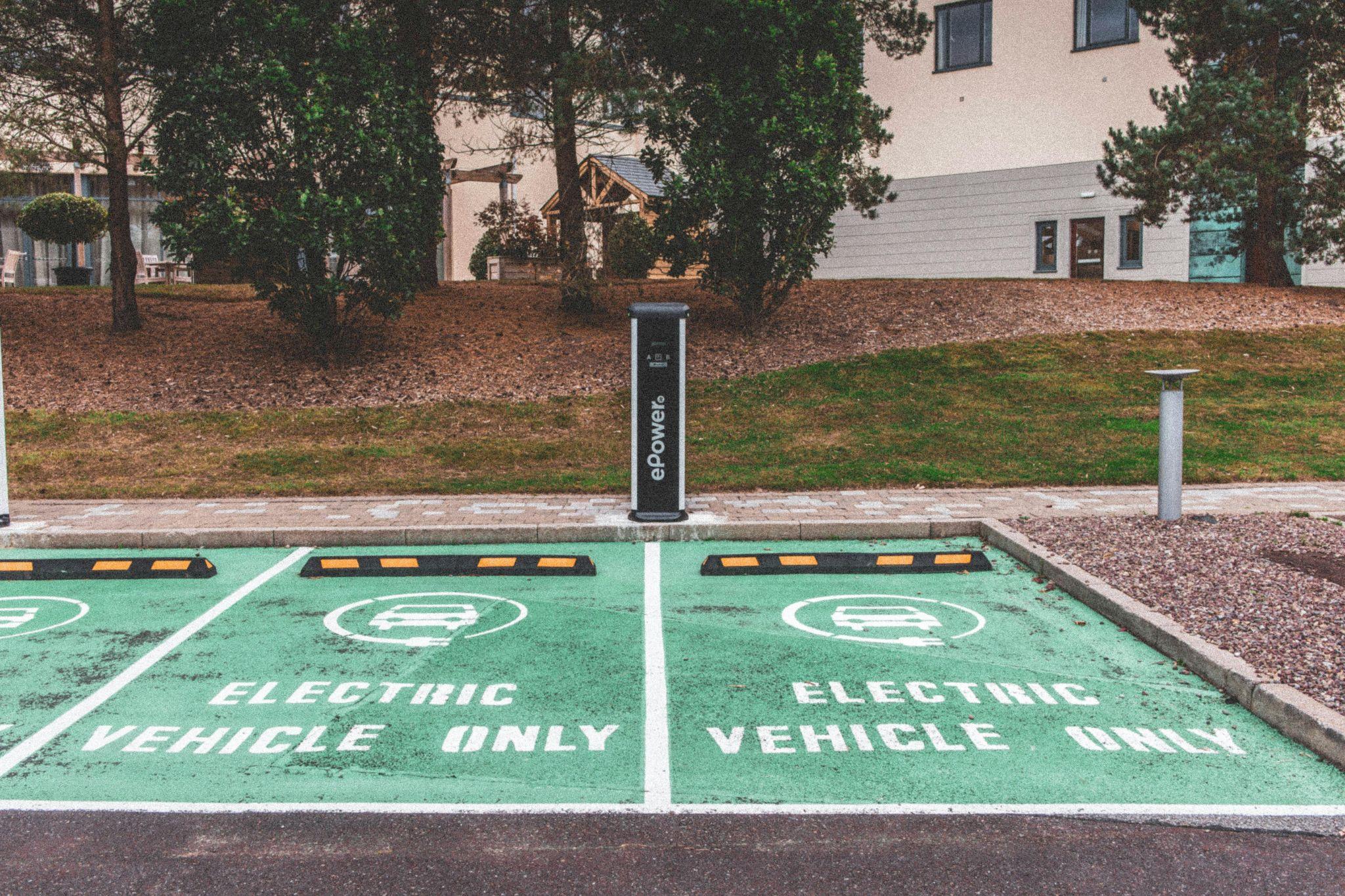
Choosing between electric and gas vehicles in 2025 depends on your lifestyle, priorities, and values. EVs offer sustainability, low maintenance, and cutting-edge technology, while gas vehicles provide familiarity, convenience, and broad refueling options. For those seeking a luxury-forward, forward-thinking driving experience, electric cars increasingly represent the ultimate choice.
Consider not just the cost or performance, but how each vehicle complements your daily life, future goals, and environmental ethos — your car is an extension of your lifestyle, not just transportation.
Key Takeaways
- ■Electric cars offer lower running and maintenance costs over time
- ■Gas cars still provide wider refueling infrastructure and upfront affordability
- ■Government incentives and charging availability play a major role in EV adoption
- ■The right choice depends on usage patterns, budget, and sustainability goals
related articles


- by brennan-montgomery
- December 23, 2025
Car Subscription Services: Are They Worth It Compared to Traditional Ownership?

- by declan fairchild
- December 22, 2025
Step-by-Step Guide to Preparing Your Car for a Long Road Trip

- by nathan reed
- December 19, 2025
What Your Dashboard Warning Lights Really Mean: A Driver’s Guide

- by sebastian rowe
- December 18, 2025