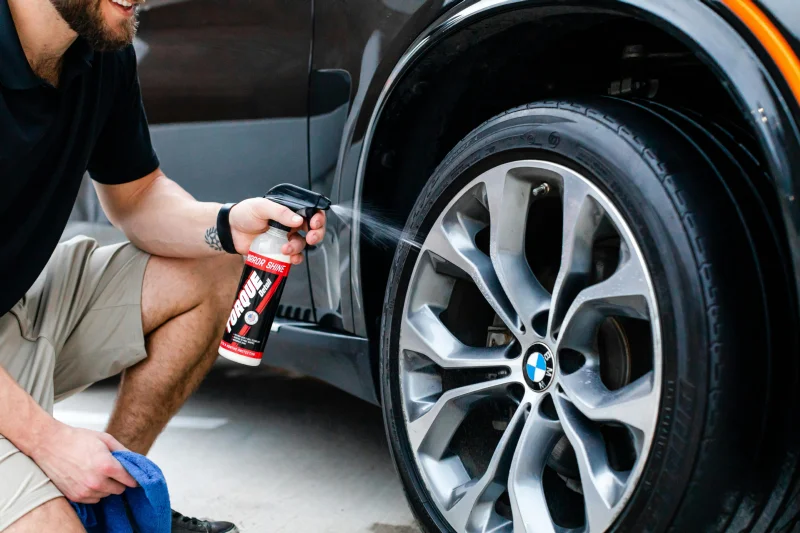
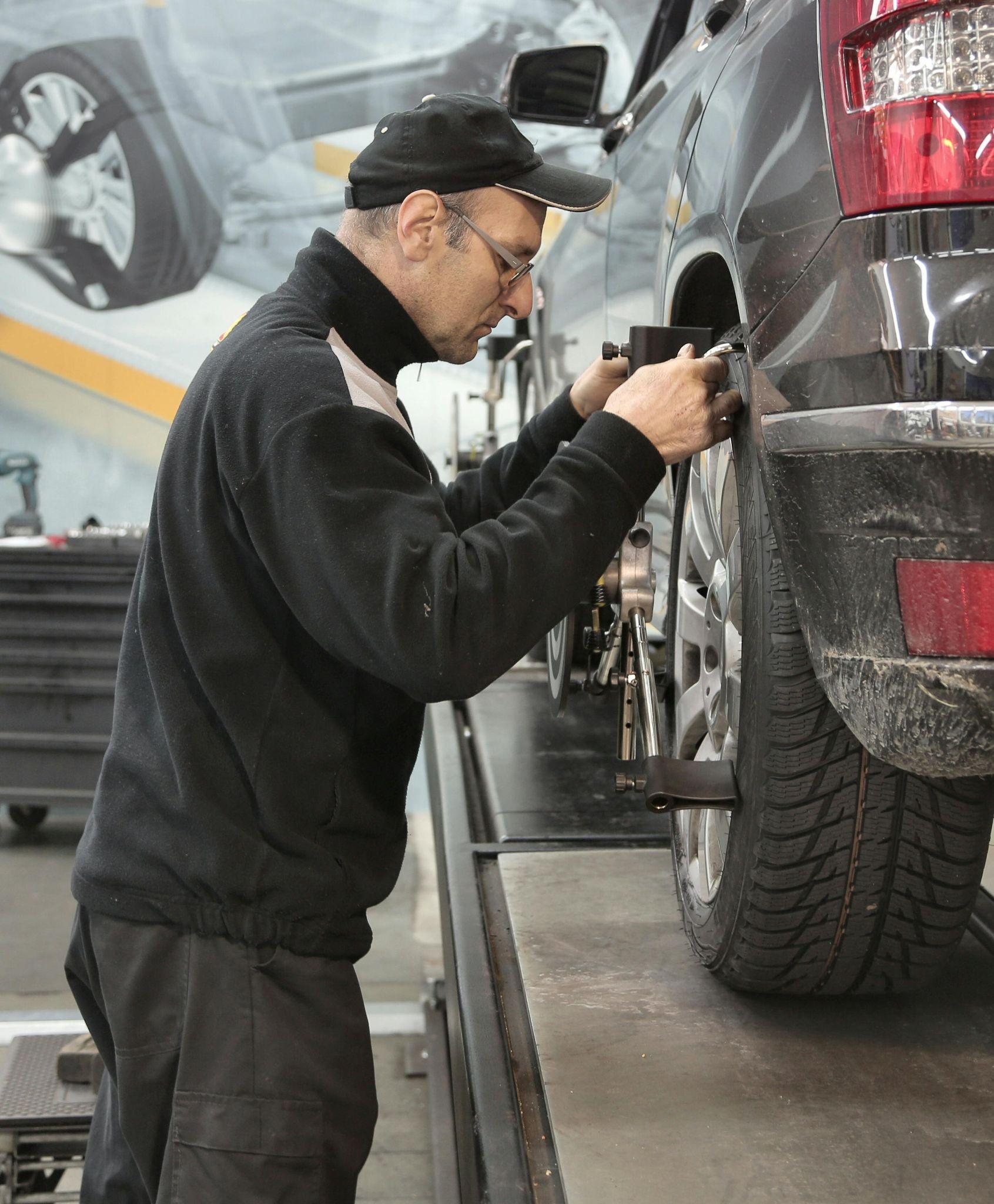
Choosing the right tires for your vehicle is one of the most important decisions you can make for safety, performance, and comfort. The right tires enhance handling, improve fuel efficiency, and ensure a smoother ride — while the wrong ones can compromise control and durability. Understanding how to match tires to your driving style and climate helps you make a smart, long-term investment.
It is not always possible to be the best, but it is always possible to improve your own performance.”
-Jackie Stewart
1. Understand Your Driving Style
Your driving habits play a key role in determining the best type of tire for your vehicle.
If you drive mostly in the city:
Look for touring or all-season tires. These provide a quiet, comfortable ride and good traction in varied weather conditions.
If you’re a highway driver:
Opt for performance or low-rolling resistance tires designed for fuel efficiency and stability at higher speeds.
If you’re an adventurous driver:
Choose all-terrain or mud-terrain tires for SUVs and trucks. They offer better grip on off-road surfaces like gravel, sand, and dirt.
Understanding how and where you drive ensures your tires support your lifestyle and maximize vehicle performance.
Image from Pexels
2. Match Tires to the Climate
Different climates require different tire compositions and tread designs for optimal performance and safety.
For warm climates:
Summer tires are best — they provide excellent traction and cornering on dry or wet roads but are not suitable for freezing temperatures.
For cold or snowy regions:
Winter tires are designed with deeper treads and flexible rubber that stays soft in low temperatures, improving grip and braking on snow and ice.
For moderate climates:
All-season tires are a versatile choice. They handle a mix of wet, dry, and light snowy conditions but may not perform as well as dedicated summer or winter tires in extreme weather.
3. Check Tire Ratings and Specifications
Before purchasing, review your tire’s speed rating, load index, and UTQG (Uniform Tire Quality Grading) score:
Speed Rating: Indicates how fast the tire can safely operate.
Load Index: Tells you the maximum weight the tire can support.
UTQG: Rates treadwear, traction, and temperature resistance.
Image from Pexels
Choosing tires that meet or exceed your vehicle manufacturer’s recommendations ensures balanced performance and safety.
4. Don’t Overlook Tread Design
Tread patterns affect how your car handles different road conditions:
Symmetrical treads offer even wear and a smooth, quiet ride.
Asymmetrical treads combine dry and wet traction for enhanced performance.
Directional treads are designed for high-speed stability and water dispersion, reducing the risk of hydroplaning.
Regularly checking tread depth (at least 2/32 of an inch) helps maintain traction and prevents skidding on wet roads.
5. Balance Performance and Longevity
High-performance tires may offer superior grip and handling, but they tend to wear out faster. On the other hand, touring tires last longer but may sacrifice sport-level responsiveness.
Consider your driving priorities — whether it’s speed, comfort, or durability — and choose accordingly.
Image from Pexels
6. Maintain for Maximum Lifespan
Proper tire care extends performance and saves money.
Rotate your tires every 5,000–8,000 miles.
Keep them properly inflated based on your car’s manual.
Align and balance tires regularly to prevent uneven wear.
Well-maintained tires ensure consistent traction, better mileage, and safer handling.
Choosing the best tires for your driving style and climate is essential for both safety and performance. Whether you need all-season reliability, winter grip, or sporty precision, matching the right tire type to your lifestyle ensures every drive is smooth and secure.
By understanding your needs, reviewing tire specifications, and maintaining proper care, you’ll enjoy greater confidence and comfort — mile after mile.
Key Takeaways
■Routine maintenance helps prevent major mechanical failures
■Timely oil changes improve engine performance and longevity
■Proper tire care enhances safety and fuel efficiency
■Monitoring fluids and warning lights avoids costly repairs
■Responsible driving habits reduce wear and tear on vehicle components