- by elliot-windham
- December 23, 2025
The Real Cost of Owning a Luxury Car: Beyond the Sticker Price
- by hayden-claremont,
- December 4, 2025
- Reading Time: 5-6 mins
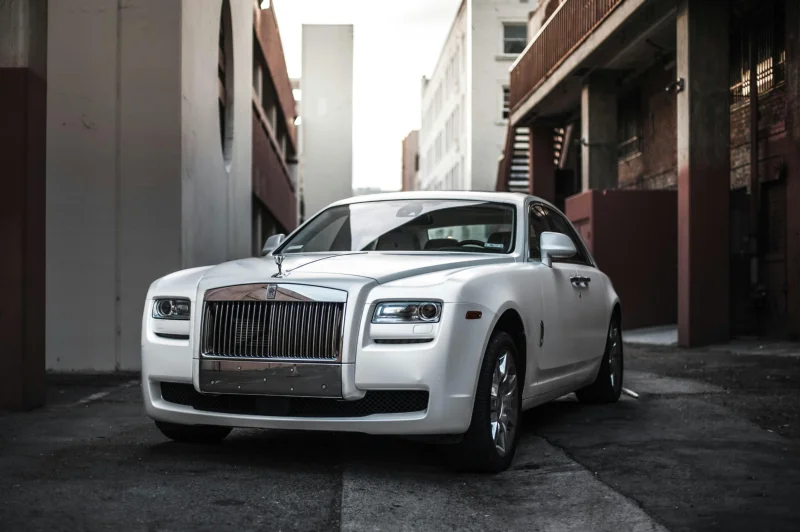
Owning a luxury car is often seen as a status symbol, but the sticker price is only the beginning. From insurance premiums and maintenance to depreciation and fuel costs, the total cost of ownership can significantly impact your finances. Understanding these hidden expenses is crucial before committing to a high-end vehicle.
“Price is what you pay. Value is what you get.” — Warren Buffett
This quote reminds us that true cost extends beyond the purchase price, emphasizing the importance of considering all factors before making financial decisions.
Insurance Premiums
Luxury vehicles often come with higher insurance rates due to their cost, repair complexity, and higher risk of theft. Comprehensive coverage, collision insurance, and lower deductibles all contribute to elevated premiums. Budgeting for insurance is essential to avoid surprises after purchase.
Maintenance and Repairs
High-end cars require specialized care. Luxury vehicles often use proprietary parts and advanced technology, which can make repairs and routine maintenance significantly more expensive than standard vehicles. Even minor issues can result in hefty repair bills if you don’t have a warranty or maintenance plan in place.
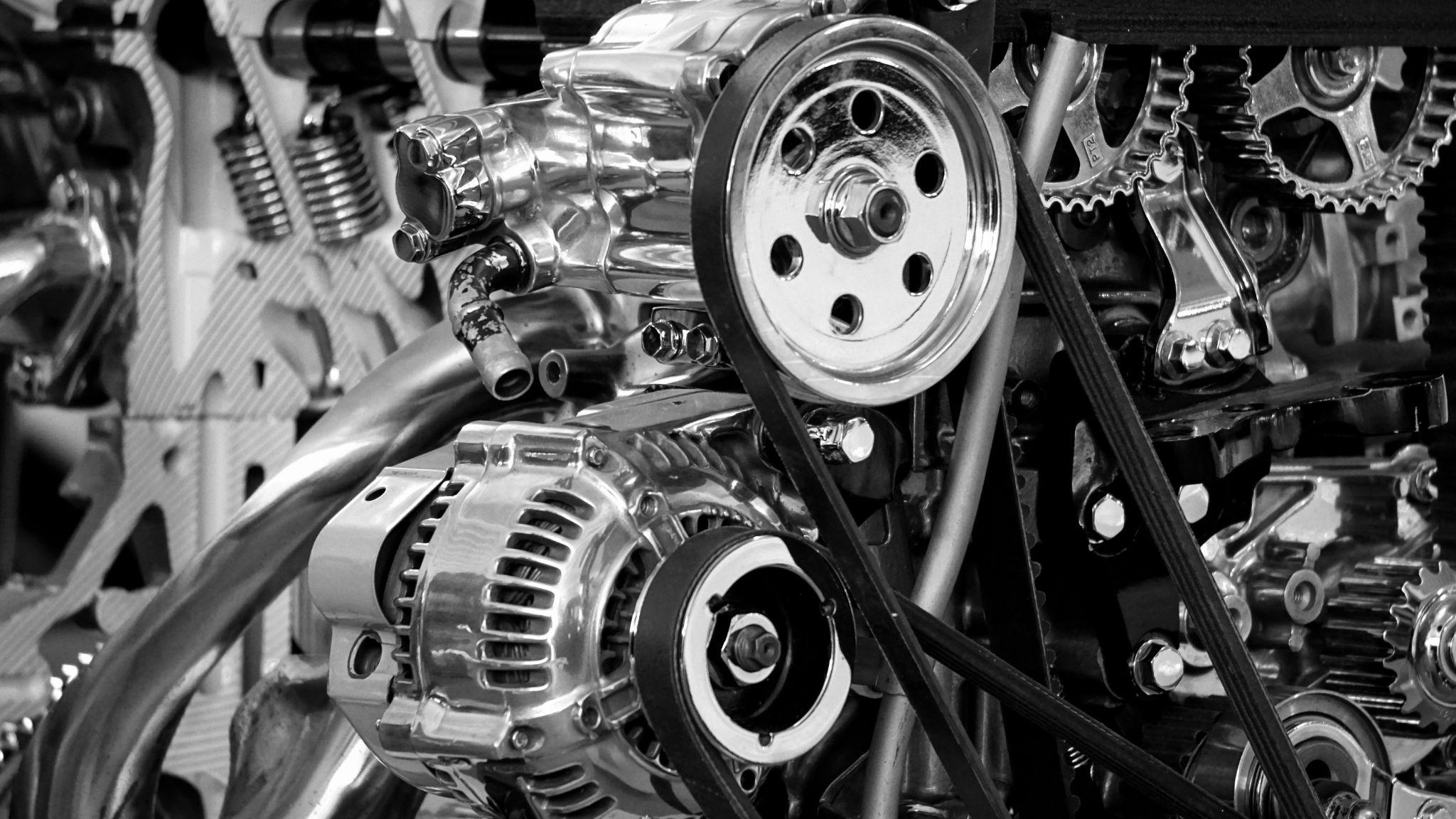
Routine maintenance, including oil changes, brake services, and tire replacements, also tends to cost more, making ownership an ongoing financial commitment.
Depreciation
Luxury cars depreciate rapidly, often faster than mid-range vehicles. While the initial price may be high, the resale value can drop significantly within a few years. Depreciation is a hidden cost that impacts the overall value and long-term financial impact of owning a luxury vehicle.
Fuel and Running Costs
Luxury cars, especially high-performance models, typically consume more fuel than economy vehicles. Premium fuel may also be required to maintain engine performance. Coupled with higher tire replacement and brake wear due to performance driving, these running costs add up over time.
Licensing, Registration, and Taxes
High-end vehicles often attract higher registration fees, excise duties, and taxes. Depending on your location, luxury cars may fall into higher tax brackets or incur additional charges like luxury vehicle surcharges or emissions-based fees. These costs should be factored into your budget before purchase.
Optional Upgrades and Customizations
Many luxury car buyers opt for additional features, such as advanced infotainment systems, premium interiors, or performance packages. While appealing, these upgrades can quickly increase the total purchase price and subsequent insurance and maintenance costs.

Opportunity Cost
Spending a significant portion of your finances on a luxury car may reduce your ability to invest, save, or spend on other priorities. The opportunity cost of tying up capital in a depreciating asset is an important consideration in responsible financial planning.
Owning a luxury car is more than just buying a status symbol; it’s a financial commitment that extends far beyond the sticker price. Insurance, maintenance, depreciation, fuel, taxes, and optional upgrades all contribute to the true cost of ownership.
As Warren Buffett wisely said, “Price is what you pay. Value is what you get.” By understanding and planning for these expenses, you can make informed decisions about whether the prestige and performance of a luxury car align with your financial goals. True value comes not only from the thrill of driving but from responsible and sustainable ownership.
Key Takeaways
- ■Insurance premiums are significantly higher for luxury vehicles.
- ■Maintenance and repairs often require specialized parts and technicians.
- ■Luxury cars tend to depreciate faster in the first few years.
- ■Premium fuel and higher fuel consumption increase running costs.
- ■Replacement parts and tires are more expensive than standard vehicles.
related articles


- by brennan-montgomery
- December 23, 2025
Car Subscription Services: Are They Worth It Compared to Traditional Ownership?

- by declan fairchild
- December 22, 2025
Step-by-Step Guide to Preparing Your Car for a Long Road Trip

- by nathan reed
- December 19, 2025
What Your Dashboard Warning Lights Really Mean: A Driver’s Guide

- by sebastian rowe
- December 18, 2025