- by elliot-windham
- December 23, 2025
The Rise of Connected Cars: How Smart Technology Is Changing Driving
- by adrian-kensington,
- December 4, 2025
- Reading Time: 4-5 mins
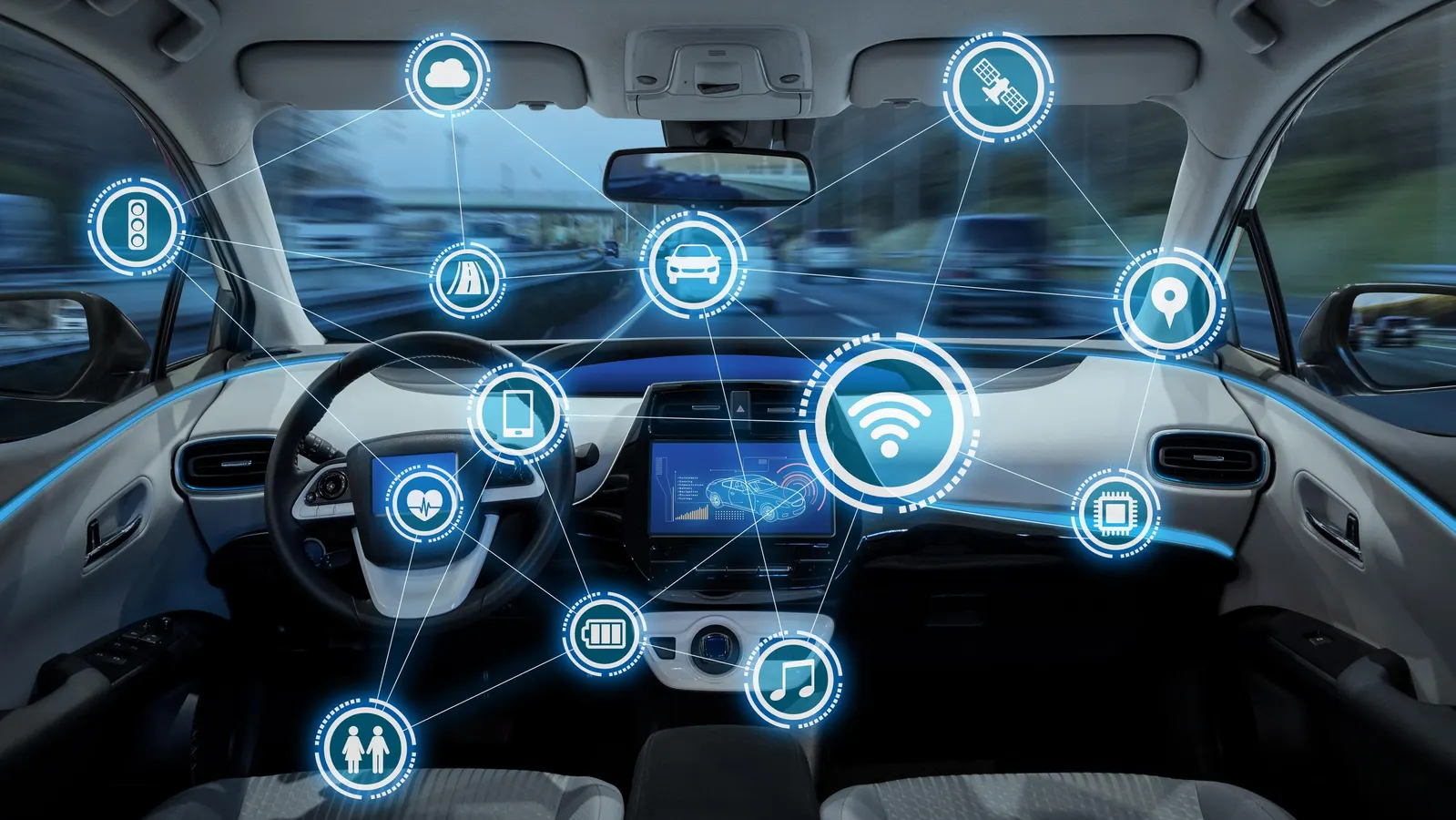
The automotive industry is undergoing a digital transformation, and connected cars are at the forefront of this change. Equipped with advanced sensors, internet connectivity, and intelligent software, these vehicles communicate with each other, infrastructure, and drivers to create safer, more efficient, and more enjoyable driving experiences.
“The future belongs to those who prepare for it today.” — Malcolm X
Connected cars leverage technologies such as vehicle-to-vehicle (V2V) and vehicle-to-infrastructure (V2I) communication. These systems allow cars to share information about traffic, road conditions, and potential hazards in real time. For instance, if one car brakes suddenly, nearby vehicles can be alerted instantly, reducing the risk of collisions and improving overall traffic flow.
Smart technology in connected cars also enhances driver convenience and comfort. Features like predictive navigation, real-time traffic updates, remote start, and app-based monitoring allow drivers to plan routes efficiently, reduce travel time, and access vehicle information from anywhere. Some vehicles even integrate AI-driven assistants that can adjust climate control, suggest fueling stops, or provide reminders for maintenance.
Safety is another major benefit. Connected cars can monitor driver behavior, detect drowsiness, and provide alerts or automatic interventions to prevent accidents. Advanced driver-assistance systems (ADAS), including lane-keeping assist, adaptive cruise control, and collision avoidance, are seamlessly integrated with connectivity features, creating a more proactive safety ecosystem.
In addition to improving daily driving, connected cars contribute to environmental sustainability. Optimized route planning reduces fuel consumption and emissions, while data analytics can help city planners design more efficient transportation networks. Some connected vehicles also support electric mobility by providing real-time information on charging station locations and battery levels.
Connectivity extends beyond the vehicle itself. Fleet management companies, ride-sharing services, and logistics providers benefit from smart cars that communicate operational data, monitor vehicle health, and enhance efficiency. Predictive maintenance alerts help avoid breakdowns and costly repairs, while over-the-air software updates keep systems current without visiting a dealership.
However, with increasing connectivity comes the need for cybersecurity measures. Manufacturers are implementing robust encryption, firewalls, and secure software protocols to protect against hacking and unauthorized access. Educated drivers who follow best practices — such as keeping software updated and using secure networks — can enjoy the full benefits of connected vehicles safely.
The rise of connected cars is not just a technological trend; it is a paradigm shift in how we experience driving. By integrating smart systems, safety features, and real-time data, these vehicles are redefining convenience, efficiency, and road safety. The era of connected driving promises a future where cars are not just modes of transport, but intelligent partners on every journey.
Embracing connected car technology today allows drivers to benefit from enhanced safety, efficiency, and comfort, while preparing for a more sustainable and intelligent automotive future. The road ahead is connected, and the possibilities are limitless.
Key Takeaways
- ■Routine maintenance helps prevent major mechanical failures
- ■Connected cars use real-time data to improve navigation, traffic management, and route optimization.
- ■Vehicle-to-everything (V2X) communication enhances road safety and reduces collisions.
- ■Predictive maintenance alerts drivers before mechanical issues become serious.
- ■Over-the-air software updates keep vehicles secure and up to date.
- ■Smart infotainment systems offer seamless smartphone integration and voice control
related articles
- by brennan-montgomery
- December 23, 2025
Car Subscription Services: Are They Worth It Compared to Traditional Ownership?

- by declan fairchild
- December 22, 2025
Step-by-Step Guide to Preparing Your Car for a Long Road Trip

- by nathan reed
- December 19, 2025
What Your Dashboard Warning Lights Really Mean: A Driver’s Guide

- by sebastian rowe
- December 18, 2025